
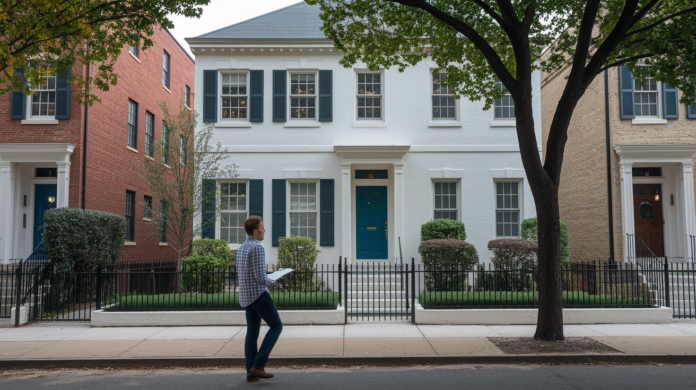
Want to house‑hack without competing on the MLS?
Most buyers hunt listings. That just adds price and stress.
This post gives fast, practical ways to find off‑market duplexes.
You’ll learn how to pull owner lists from public records, drive for dollars, send effective mail and calls, work with wholesalers, and mine probate or pre‑foreclosure lists.
Each method includes a quick action list so you can start finding leads this week.
Fastest Ways to Locate Off‑Market Duplexes

Public property records hand you owner names and mailing addresses. Most county assessors run searchable databases online where you can filter by property type and unit count. Search for two‑unit properties, download what comes back, and you’ve got a list of every duplex owner in your target zip code. Want motivated sellers? Filter for absentee owners or folks who’ve owned the place for twenty‑plus years. Long ownership usually means they care less about squeezing every dollar out of current market prices.
Driving for dollars means you actually drive or walk neighborhoods where you want to buy, looking for duplexes that show visible neglect or vacancy. Overgrown grass, peeling paint, boarded windows, “for rent” signs that never came down. All signs the owner’s tired or overwhelmed. Snap photos, write down addresses, pull owner info from county records and reach out within 48 hours while the property’s still fresh in your head.
Direct calls or personalized letters to owners get the highest response rates because most duplex owners never receive thoughtful offers. Call? Keep it short and honest. Mail? Use a handwritten envelope and a one‑page letter explaining exactly what you’re after and why you can close fast. Expect about 1 to 3 conversations per 100 contacts. But one serious conversation can become a deal.
Most effective immediate actions:
- Search county assessor records for two‑unit properties and grab owner mailing addresses
- Drive 10 to 25 duplexes per week in your target area, log every address showing distress or vacancy
- Send a short handwritten letter to each owner within two days of logging the property
- Call owners directly using skip‑traced phone numbers if public records don’t have contact info
- Join two local investor meetups and ask who works small multifamily deals
- Post “looking to buy duplex in [neighborhood]” in five neighborhood Facebook groups, check responses daily
Using Public Records to Build a Duplex Owner List

Start at your county’s property tax assessor website. Most counties let you search by property characteristics, so filter for “residential” and “2 units” or “duplex.” Some systems use codes like “R2” or “multi‑family 2‑4 units.” Pull results, export to a spreadsheet. You’ll typically get parcel number, property address, owner name, and owner mailing address. If the mailing address differs from the property address, that’s an absentee owner, which usually means higher motivation to sell without listing.
Sort by last sale date to find owners who bought decades ago. Someone who purchased in 1985 may be ready to retire or cash out. Cross‑reference assessed value and recent sales nearby to spot undervalued parcels where the owner hasn’t raised rents or touched the building. Public records also show liens, delinquent taxes, or code violations. All signals of a seller under financial or operational pressure.
To systematically pull and organize duplex owner data:
- Log into your county assessor or treasurer’s property search portal
- Apply filters for property type (residential, two units), optionally for absentee mailing addresses
- Download full results as CSV or Excel, or manually copy the first 50 to 100 records
- Add columns for phone number (to be skip‑traced), last contact date, and response notes
- Upload the list to a mail merge tool or CRM so you can track every follow‑up and skip duplicate outreach
Driving for Dollars Focused on Duplexes

Pick three to five blocks in neighborhoods where duplexes are common and drive them once a week. Bring a notebook or use a phone app to log every duplex that looks vacant, worn down, or unoccupied. Tall grass, broken gutters, faded siding, multiple “for rent” signs, piled mail. All clues the owner’s overwhelmed or out of state.
Take a photo of the front, note the address. Soon as you’re home, look up the owner in county records and send a letter or text that same day. Speed matters because other investors may spot the same property, and first contact usually wins.
Track your weekly totals. If you’re averaging ten properties per outing, aim for fifty per month. Even a 2 percent conversion on fifty properties means one solid lead every month, which is often enough to close one house‑hack duplex per year when you add follow‑up and negotiation time.
Direct Mail Outreach to Duplex Owners

Personalized mail works because duplex owners rarely get individualized purchase offers in the mailbox. Use first‑class postage and a handwritten or printed envelope that doesn’t scream “bulk mail.” Inside, keep your letter to one page. Open with why you’re writing, mention the specific property address, explain that you’re looking to house‑hack and can close in 30 days or less, give two ways to contact you.
Send the same owner three to five letters spaced two to four weeks apart. Repetition builds familiarity, and timing’s unpredictable. An owner might ignore your first letter but call after the third when their tenant just gave notice or a repair estimate came back higher than expected.
Best practices for duplex‑focused mail:
- Always reference the exact property address in the first sentence to prove the letter isn’t generic
- Offer a simple benefit like “I can close in cash” or “I’ll buy as‑is with no inspection hassle”
- Keep the tone conversational, skip hype words like “great opportunity” or “act now”
- Include your cell number and email in large, readable type at the bottom
- Mail in cycles of 500 to 1,000 letters per month, track which zip codes and owner profiles respond most
Networking With Local Wholesalers for Duplex Leads

Wholesalers make money locking up properties under contract and selling the contract to an end buyer. Most focus on single‑family houses because the buyer pool’s bigger, which means duplex deals get less attention and often sit longer on their lists. If you show up ready to close and preapproved for owner‑occupant financing, you become the wholesaler’s easiest duplex exit.
Attend local investor meetups and introduce yourself to three wholesalers per event. Tell them exactly what you want. Duplex, specific neighborhoods, move‑in condition or light rehab, price range. Ask to be added to their buyer list. Follow up every two weeks with a short text: “Still looking for a duplex in [area]. Let me know if anything comes in.” Consistent contact keeps you top of mind when a duplex contract lands.
Most wholesalers add an assignment fee of five to fifteen thousand dollars to the purchase price, but that’s often still cheaper than competing on the MLS. If you find a wholesaler who consistently brings you deals that work, build the relationship and close fast every time. That reputation gets you first look on future opportunities before they’re marketed to the wider buyer pool.
Probate, Pre‑Foreclosures, and Distress Lists for Duplexes

Probate filings show up in county court records when someone dies and their estate enters legal settlement. Duplexes owned by elderly landlords often end up in probate, and heirs frequently want to sell quickly rather than manage tenants or split rental income among multiple beneficiaries. Pull probate case files from your county clerk’s website or visit the courthouse records room. Look for cases listing residential real estate, then cross‑reference addresses in the assessor database to confirm unit count.
Pre‑foreclosure and notice‑of‑default lists capture owners who’ve missed mortgage payments but haven’t yet lost the property at auction. These owners are motivated because they’re trying to avoid foreclosure and protect remaining equity. You can buy pre‑foreclosure lists from data vendors or monitor recorded documents at the county recorder’s office. When you contact a pre‑foreclosure owner, approach with empathy and a clear offer to take over payments or close fast enough to stop the foreclosure process.
Tax lien and code violation lists can also surface duplex opportunities. Owners behind on property taxes or facing expensive code‑enforcement repairs may prefer selling to fixing or paying. Check your county treasurer’s delinquent tax rolls and your city’s building department violation database. Cross‑reference those addresses with your duplex list, then send outreach explaining you can close as‑is and clear outstanding debts at closing.
| List Type | What Data It Provides | Why It’s Useful for Duplexes |
|---|---|---|
| Probate filings | Estate‑owned properties, executor contact, case status | Heirs often want fast liquidity; less competition than MLS |
| Pre‑foreclosure / NOD | Owners in default, loan balance, filing date | Motivated to sell before auction; equity still available |
| Tax delinquent rolls | Unpaid tax amounts, owner name, property address | Financial distress signals willingness to negotiate terms |
| Code violations | Violation type, repair deadline, property address | Owners facing expensive fixes may prefer selling as‑is |
Social Media and Community Networking for Off‑Market Duplexes

Local Facebook groups, neighborhood Nextdoor boards, and landlord association meetings are where small building owners talk about tenant issues, repairs, and sometimes the idea of selling. Join every neighborhood group within your target area and post a short message: “Looking to buy a duplex in [neighborhood] to house‑hack. If you or someone you know is thinking about selling, I’d love to talk.” Pin the post and refresh it every few weeks.
Landlord associations and investor clubs often have members who own multiple duplexes and are quietly considering selling one. Show up to meetings, introduce yourself as a first‑time house‑hacker, and ask if anyone knows of off‑market opportunities. Older landlords nearing retirement will sometimes sell directly to avoid agent fees and MLS hassle if they trust the buyer and the numbers work.
Specific outreach strategies that generate duplex leads:
- Post your “looking to buy” message in ten local Facebook groups, refresh monthly
- Direct‑message landlords who post about tenant turnover or repair headaches, offer to buy if they’re open
- Attend two investor meetups per month, collect contact info from anyone who mentions owning small multifamily
- Run low‑budget Facebook or Instagram ads ($50 to $150 per month) targeting homeowners in specific zip codes with creative like “Want to sell your duplex without listing?”
- Connect on LinkedIn with local property managers, ask if any of their duplex clients have mentioned selling
Advantages of House Hacking a Duplex
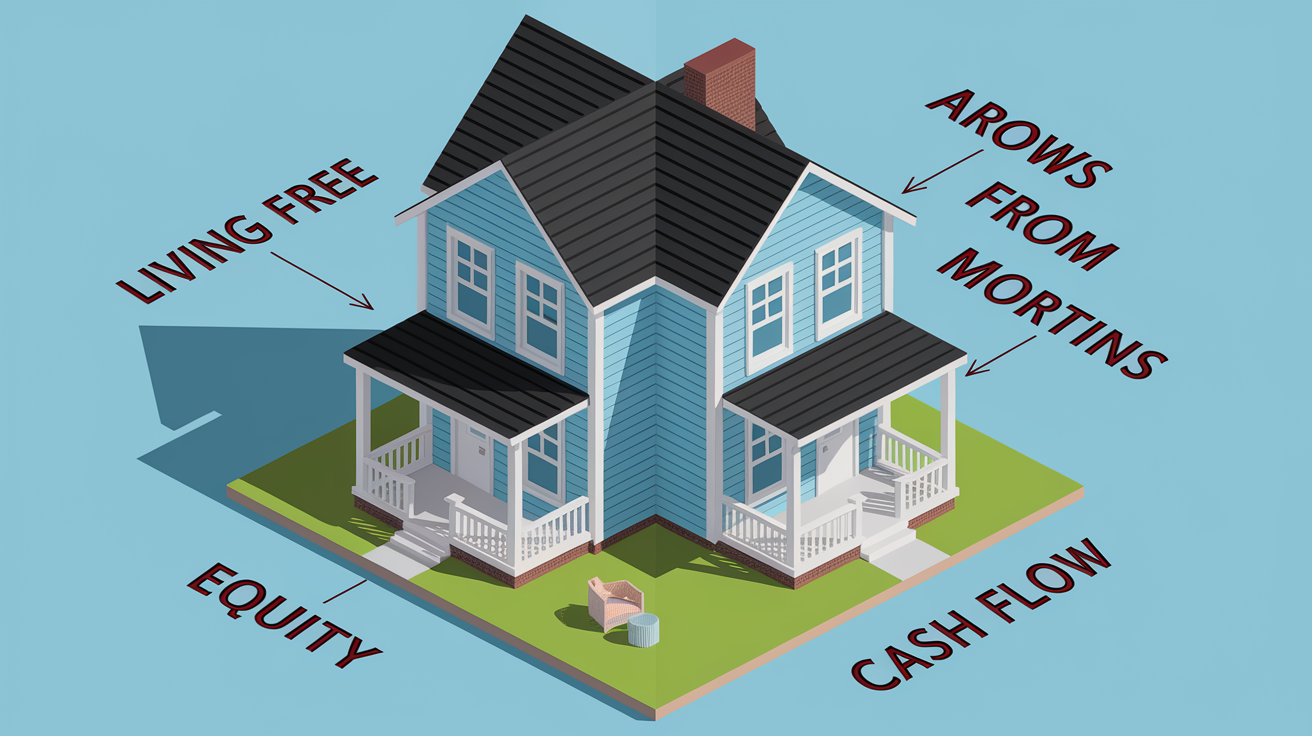
House hacking a duplex cuts your housing cost to nearly zero or turns it into a small monthly profit. If your tenant’s rent covers most or all of the mortgage, taxes, and insurance, you’re living for free while building equity every month through principal paydown. That equity accelerates wealth in a way renting never will, because you’re using someone else’s rent money to pay down your loan.
You also gain hands‑on landlord experience without the risk of vacancy wiping you out. If your duplex tenant moves, you still live there and can cover the mortgage from savings while you find a replacement. Compare that to owning a single‑family rental across town where vacancy means 100 percent income loss and you’re still paying a mortgage on your own home.
On‑site management is easier because you’re already there. Maintenance issues get handled faster, tenant questions get answered immediately, and problem tenants rarely escalate when the landlord lives next door. Over time, you can decide whether to keep managing yourself or hire a property manager once you move out and convert the duplex to a full rental.
Owner‑Occupant and Low‑Down‑Payment Financing Options

Owner‑occupant financing gives you access to lower down payments and better rates than investment loans because lenders view your primary residence as lower risk. FHA loans allow 3.5 percent down on duplexes as long as you occupy one unit as your primary residence within 60 days and plan to stay at least 12 months. On a $300,000 duplex, that’s $10,500 down instead of the 20 to 25 percent an investor loan would require.
Conventional loans for owner‑occupied multifamily typically require 5 to 15 percent down depending on your credit and the lender’s program. VA loans offer zero down for eligible veterans and active‑duty service members purchasing up to four units, which makes a duplex house‑hack one of the best uses of VA benefits. Lenders will also count a portion of projected rental income when qualifying you for the loan, so your tenant’s rent can help you qualify for a higher purchase price than your personal income alone would allow.
Common low‑down‑payment programs for duplex house hacking:
- FHA 203(b): 3.5% down, borrower occupies one unit, allows up to four units total
- Conventional 97 or HomeReady: 3% to 5% down for owner‑occupants, income limits may apply
- VA loan: 0% down for eligible veterans, up to four units, must occupy as primary residence
- FHA 203(k) rehab loan: finances purchase plus repairs in one loan, 3.5% down, good for fixer duplexes needing work before move‑in
Analyzing an Off‑Market Duplex Deal

Start with rent comps for each unit. Pull recent listings for similar two‑bedroom or one‑bedroom units in the same neighborhood and take the lower end of the range as your conservative estimate. Multiply by two to get gross monthly rent for the duplex. Then subtract operating expenses: property taxes, insurance, maintenance reserve (plan 5 to 10 percent of gross rent), and vacancy reserve (another 5 to 10 percent). What’s left is your net operating income before the mortgage payment.
Next, calculate your monthly housing cost. Take the purchase price, subtract your down payment, and estimate the monthly principal and interest payment using current rates. Add property taxes, insurance, and any HOA fees. Now subtract the rent from the non‑owner unit. If that number’s lower than what you’d pay to rent a comparable place, the deal works as a house hack even if cash flow’s slightly negative. Remember, you’re getting principal paydown and appreciation on top of reduced housing expense.
Pressure‑test the numbers by asking what happens if rent drops 10 percent or if you lose a tenant for two months. If you can still cover the mortgage from savings during a vacancy, your downside’s manageable. If the tenant’s rent is the only thing standing between you and missing a payment, either negotiate a lower price or keep looking.
| Metric | Formula / Definition | Reasonable Target for House Hack |
|---|---|---|
| Gross rent multiplier | Purchase price ÷ annual gross rent | 10 to 15 (lower is better) |
| 1% rule (quick filter) | Monthly gross rent ≥ 1% of purchase price | Pass = worth deeper analysis; fail = move on unless other factors justify |
| Net monthly housing cost | (Mortgage + tax + insurance + reserves) − tenant rent | Should be lower than renting equivalent housing; zero or positive is ideal |
| Vacancy reserve | 5–10% of gross rent set aside monthly | Covers turnover and vacancy gaps without dipping into personal funds |
| Maintenance reserve | 5–10% of gross rent for repairs and capex | Prevents surprise expenses from breaking your budget |
Final Words
Hit the phones and the streets: pull county records, drive for dollars, and send targeted mail to owners. Those are the fastest ways to find off‑market duplex leads.
Turn those leads into a list, check probate and pre‑foreclosure data, talk to wholesalers, and post in local groups. Use owner‑occupant financing if it fits, then run basic rent‑to‑price and cash‑flow checks before you offer.
Start in one neighborhood and repeat the steps. Learning how to find off-market duplexes for house hacking takes work, but it gets easier and more rewarding with practice.
FAQ
Q: How to find duplexes off market?
A: Finding off‑market duplexes starts with public property records, driving for dollars, direct owner outreach, targeted direct mail, networking with local wholesalers, and checking probate or pre‑foreclosure lists for motivated sellers.
Q: What is the 1% rule for duplexes?
A: The 1% rule for duplexes means monthly gross rent should be about 1% of the purchase price; it’s a quick cash‑flow screen, not a substitute for detailed expense and financing checks.
Q: Can you house hack with a duplex?
A: You can house hack with a duplex by living in one unit and renting the other, which lowers your housing cost, builds equity, and often lets you use owner‑occupant financing like FHA.
Q: What is the 70% rule in house flipping?
A: The 70% rule in house flipping says buy at no more than 70% of the after‑repair value (ARV) minus estimated rehab costs to leave margin for profit, holding costs, and surprises.