
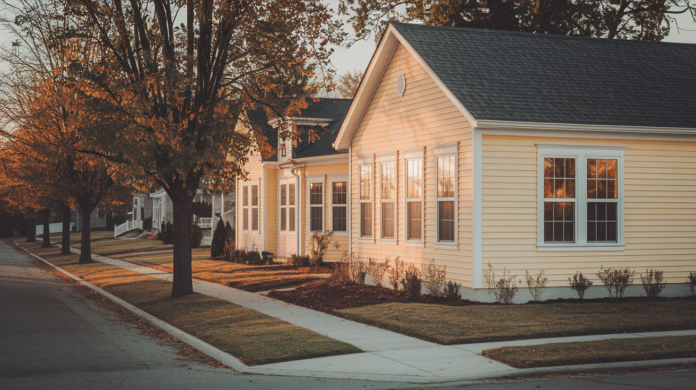
Want the fastest rent bump from a remodel?
Don’t start with curb appeal. Start with the kitchen, bathrooms, and unit separation.
House hacking is different from flipping. You need upgrades that raise monthly rent, cut vacancy, and boost appraisal value all at once.
This post lays out the top renovation priorities that deliver that triple win.
You’ll get clear rules of thumb, quick payback math, and the tradeoffs you need to decide which projects actually pay rent instead of just looking nice.
High‑ROI Upgrade Priorities That Maximize House Hacking Value‑Add Potential
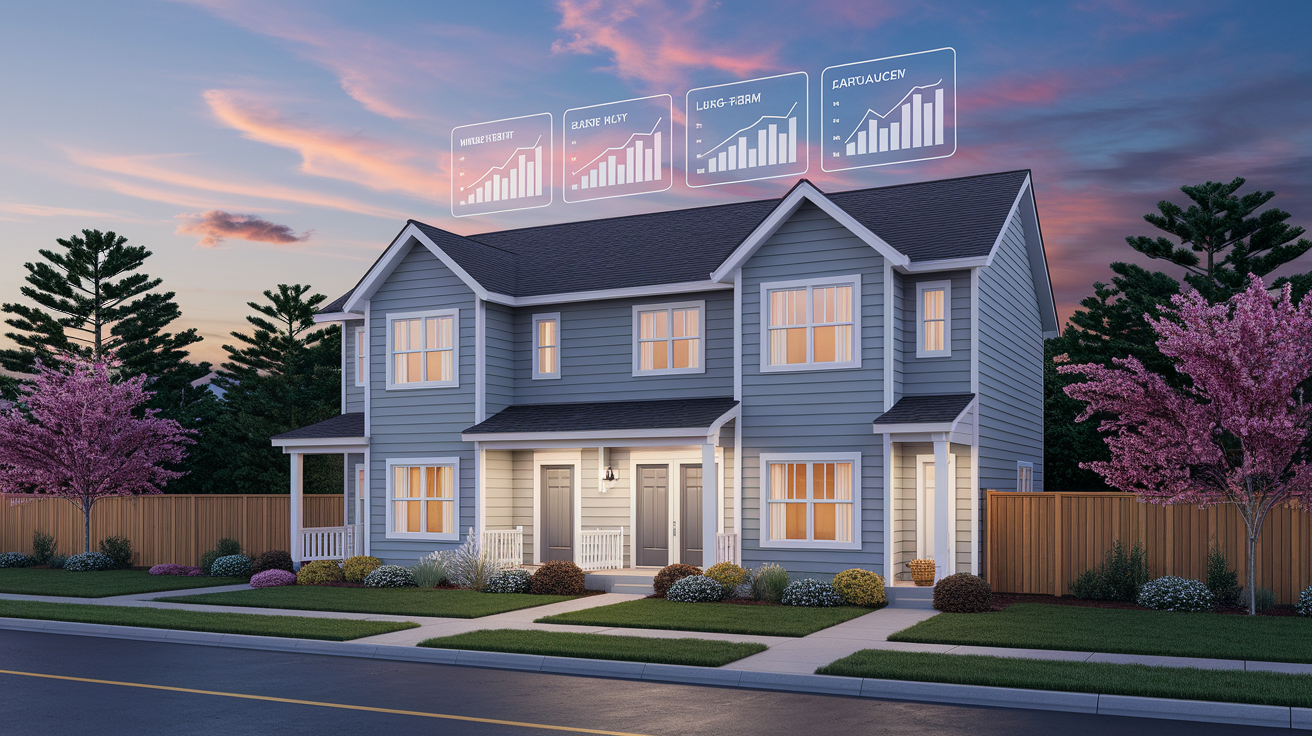
House hacking renovation priorities are different from fix and flip resale goals because you’re optimizing for three things at once: monthly rent uplift, long term property appreciation, and lower vacancy risk. The upgrades that deliver the most value raise the rent you can charge, make tenants want to stay longer, and increase what the property will appraise for when you eventually sell or refinance. That triple return separates a smart move from an expense that only helps one metric.
Data from the 2025 Remodeling Impact study and parallel resale ROI research show clear winners. Steel front doors recover 100 percent of their cost at resale. Fiberglass doors recover 80 percent, vinyl windows 74 percent, basement conversions 71 percent. Minor kitchen upgrades and complete kitchen renovations both recoup about 60 percent, bathroom additions recoup 56 percent, and standalone bathroom renovations recover about 50 percent. Exterior improvements consistently return more than 95 percent. Deck and patio projects recoup 89 to 95 percent of cost, with typical deck additions running around $10,000 and landscaping averaging $3,500. When you translate those resale figures into rental cash flow, the same projects that boost sale price also command higher monthly rent and attract higher quality tenants who stay longer and cause fewer problems.
The six highest impact upgrade categories for immediate house hacking ROI are:
Kitchen improvements (cabinet refresh, countertops, hardware, lighting, appliances). Bathroom upgrades (fixtures, vanities, waterproof flooring, storage, and additions when unit count or layout demands it). Exterior and curb appeal (doors, paint, siding repair, landscaping, outdoor lighting, window replacement). Layout conversions (basement finishing, attic conversions, ADU construction, room divisions for additional rentable units). Systems upgrades (HVAC, water heater, electrical panel, plumbing reliability to reduce service calls and vacancy). Interior cosmetic improvements (fresh paint, refinished floors, lighting, visible maintenance repairs).
When you compare sample rent increases to the underlying project costs, the math becomes actionable. Adding a bathroom for $15,000 that enables a $200 per month rent increase produces $2,400 in additional annual income, which means a payback period of just over six years. Solid for a project that also boosts resale value by roughly 56 percent of cost. A $3,500 landscaping upgrade that shortens vacancy from 45 days to 15 days saves you one month’s rent immediately, and that ROI compounds every time you turn the unit. Exterior improvements that return more than 95 percent of cost at resale also reduce days on market when you’re trying to lease a unit, because tenants judge condition the same way buyers do.
From the curb.
Kitchen Renovations That Drive the Strongest Rental and Value Add Returns
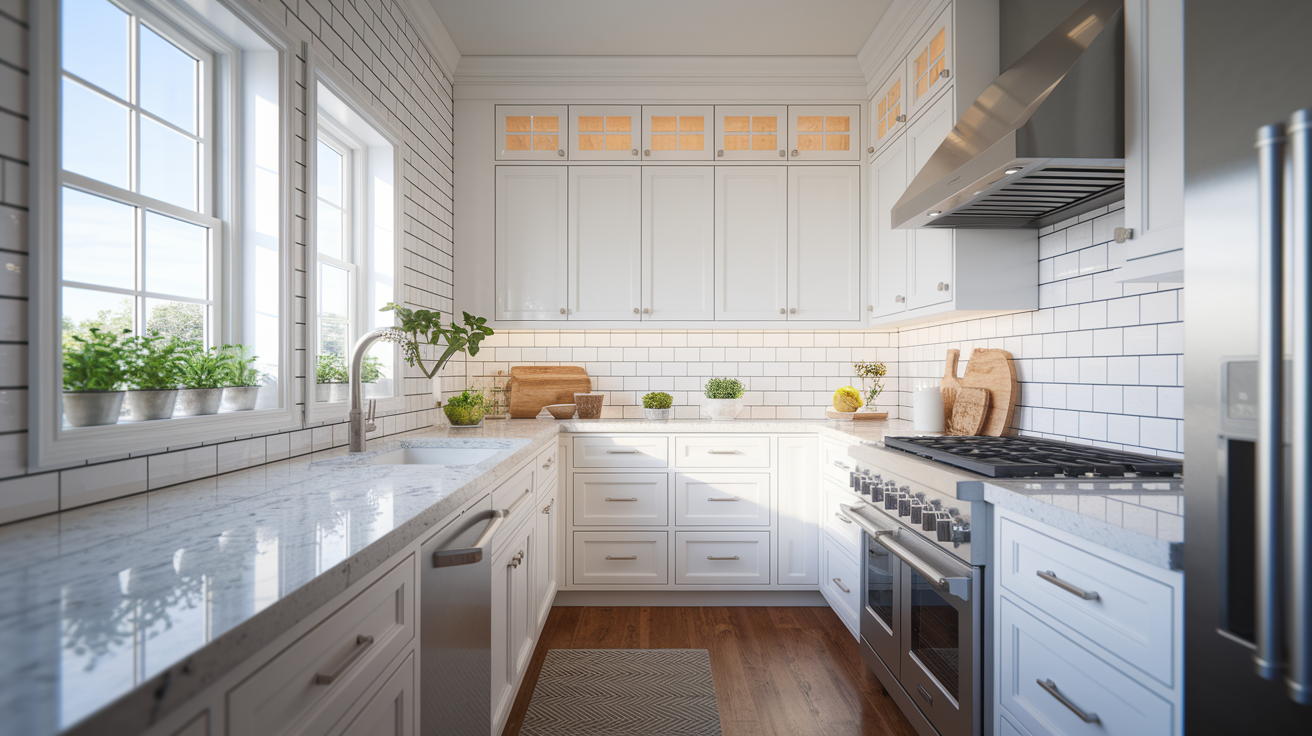
Kitchens influence rent levels and tenant retention more than almost any other feature because tenants use them every day and judge the entire property by how modern and functional the kitchen feels. A dated kitchen with worn laminate counters and builder grade cabinets signals deferred maintenance, even when the rest of the house is fine. An updated kitchen with clean lines, working appliances, and durable surfaces tells prospective tenants the landlord cares about quality. Which translates into higher rent and fewer maintenance complaints.
Minor kitchen remodels recoup about 60 percent of their cost at resale, and that same 60 percent return holds whether you do a cosmetic refresh for $3,000 to $15,000 over one to three weeks or invest $20,000 to $60,000 in a full remodel that takes four to eight weeks. The decision comes down to what your rental market will support. If neighborhood comps show tenant demand for granite or quartz counters and stainless appliances, a mid range refresh makes sense. If comps show laminate and basic white appliances, stop there. High buyer preference for updated kitchens documented in both 2018 and 2026 resale studies translates directly to rental demand. Tenants want move in ready kitchens just as much as buyers do.
Recommended kitchen upgrades for house hacking ROI:
Quartz or quality laminate countertops (durable, low maintenance, modern appearance). Cabinet refacing or fresh paint with new hardware (fraction of replacement cost, huge visual impact). Updated lighting (LED under cabinet and pendant fixtures improve function and perception). Stainless or black stainless appliances (tenant expectation in most markets, reliable brands reduce service calls). Tile or peel and stick backsplash (inexpensive upgrade that photographs well and protects walls). New faucet and sink (small cost, high visibility, signals attention to detail).
An $8,000 kitchen refresh that includes quartz counters, cabinet paint, new hardware, a tile backsplash, and updated lighting can support a $100 to $200 per month rent increase in most markets. At $150 per month, that’s $1,800 in additional annual income against an $8,000 investment. Simple payback in about 4.4 years, plus you recover roughly 60 percent of the cost when you sell. If your market supports higher rents or you’re in a competitive urban area, that payback shortens even further. The key is matching the level of finish to tenant expectations in your specific neighborhood, not over improving past what comps justify.
Bathroom Upgrade Priorities That Increase House Hack Rental Income
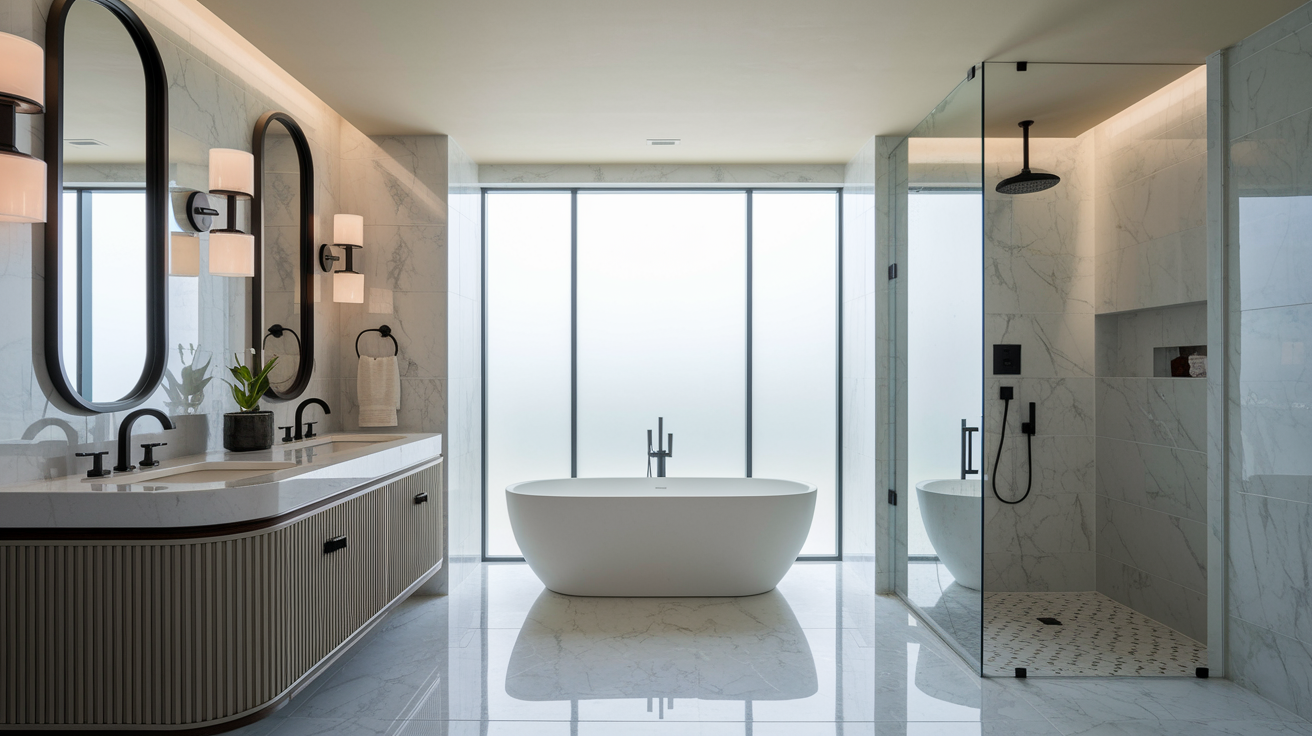
Bathrooms are consistently one of the top areas for shared house hacks because tenants evaluate cleanliness, function, and privacy the moment they walk into a bathroom. A cramped, outdated bathroom with a stained tub and wobbly vanity will cost you rent and tenant quality, even if the rest of the unit is solid. Bathroom ROI has historically ranged from about 50 percent for renovations to 85 percent for targeted fixes, and bathroom additions recoup roughly 56 percent of cost while often unlocking significantly higher rent by reducing the occupant per bathroom ratio. When you’re house hacking and sharing space or renting individual rooms, the bathroom to bedroom ratio becomes a critical rent ceiling.
Cost ranges and timelines are predictable enough to plan around. A cosmetic bathroom refresh (new vanity, faucet, toilet, lighting, waterproof vinyl plank flooring, and a fresh coat of paint) typically runs $2,000 to $8,000 and takes one to two weeks. Adding a full bathroom in an existing footprint (converting a closet, carving space from an oversized bedroom, or finishing part of a basement) costs $10,000 to $25,000 and takes two to six weeks depending on plumbing access and permit timing. Fixture upgrades that elevate tenant appeal include double vanities (or at least a wide single vanity with storage), rain shower heads, built in shelving or recessed niches, and durable waterproof flooring like luxury vinyl plank or porcelain tile that withstands high turnover.
Adding a bathroom is financially justified when the rent uplift covers the investment within a reasonable payback period and when the existing layout creates a functional bottleneck. If you’re renting by the room and currently have four bedrooms sharing one bathroom, adding a second bathroom often lets you increase rent by $200 per month across the unit. That’s $2,400 in additional annual income against a $15,000 addition cost, which means payback in 6.25 years. The same addition also reduces tenant friction, lowers turnover risk, and increases the property’s resale value by roughly 56 percent of cost.
In markets where tenant demand is strong and occupancy per bathroom matters, bathroom additions are one of the highest return moves you can make. If your layout already supports a reasonable bedroom to bathroom ratio, spend the money on fixture and finish upgrades instead. New vanities, modern lighting, and clean tile go a long way toward justifying higher rent without the complexity of adding plumbing.
Unit Separation and Layout Conversions for Maximum House Hacking ROI
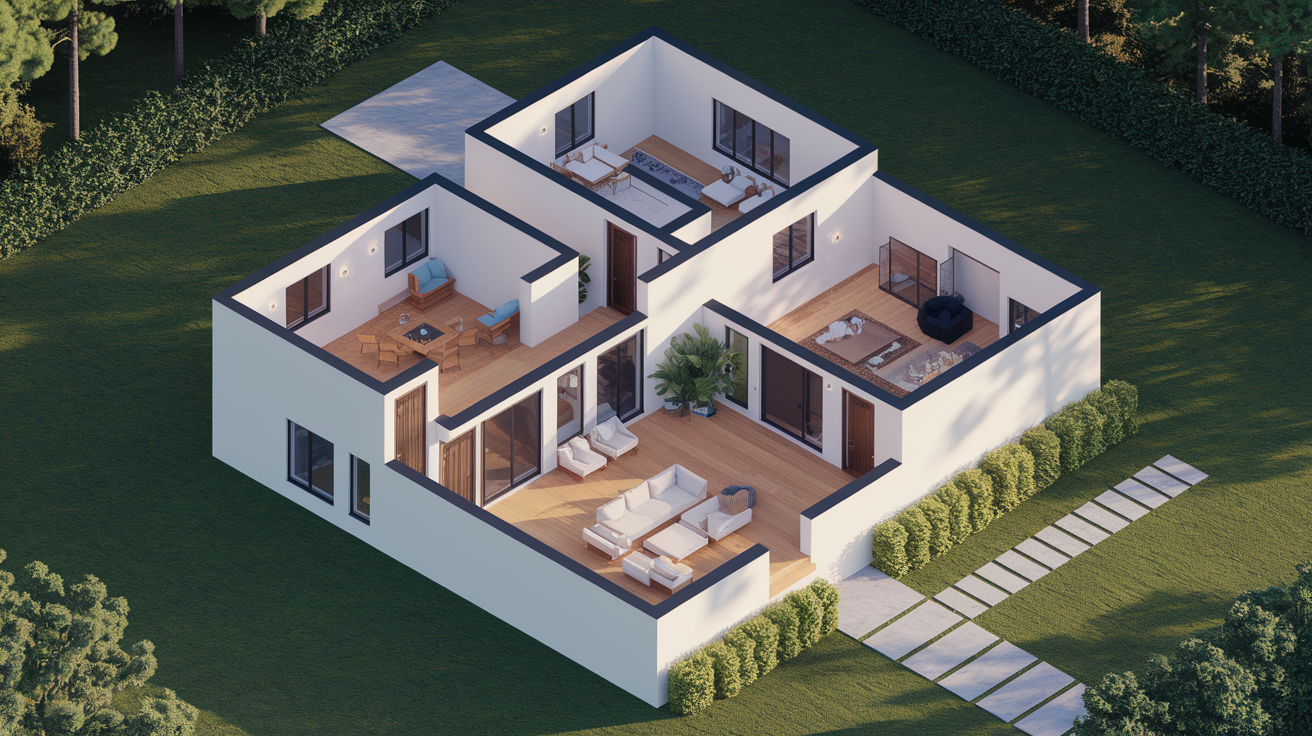
Structural and layout conversions unlock the most dramatic rent increases for house hackers because you’re fundamentally changing the number of rentable units or the privacy and functionality of existing space. Converting unused square footage into livable, rentable area, or dividing large open spaces into distinct suites, can double or triple the income a property generates compared to its original configuration. The ROI data supports these moves: basement conversions recoup about 71 percent of cost at resale, attic conversions recover roughly 67 percent, and accessory dwelling units (ADUs) can increase property value by 20 to 25 percent in receptive markets. Those resale figures understate the rental income benefit, because each additional unit or improved layout drives immediate monthly cash flow.
Basement/Attic Conversions
Finishing a basement or attic transforms wasted square footage into rentable living space, often at a lower per square foot cost than building new. Basement conversions deliver ROI up to 70 percent when done correctly, and they’re especially viable for house hackers because basements can be configured as separate apartments with their own entrances, kitchenettes, and bathrooms. Or as additional bedrooms in a rent by room setup. The key variables are ceiling height (you need at least 7 feet clear after framing and mechanicals), egress windows for legal bedrooms, moisture control, and access to plumbing for a bathroom. Attic conversions follow similar logic but face different constraints. Roof pitch, insulation, HVAC capacity, and stair access. Both projects benefit from shared utilities in a house hack scenario because you’re not duplicating all systems, which keeps costs lower than building a detached ADU.
ADU and Detached/Attached Secondary Units
Accessory dwelling units increase property value by 20 to 25 percent and create a completely separate rentable unit with its own entrance, kitchen, bathroom, and living space. ADUs are ideal for house hackers who want maximum tenant privacy and the ability to command full unit rents rather than rent by room rates. The upfront cost is higher (often $50,000 to $150,000 depending on whether you’re converting an existing garage or building new) but the income potential is proportionally higher because you’re creating a standalone apartment. Tenant demand for ADUs is strong in urban markets where housing supply is constrained, and the privacy benefits reduce turnover and tenant friction compared to shared space arrangements. Permitting timelines vary widely by municipality, so budget extra months for approvals and inspections.
Dividing Large Spaces Into Suites
If you have oversized bedrooms, a large unfinished basement, or an open floor plan that doesn’t maximize rental income, dividing those spaces into smaller suites or additional bedrooms can increase rent without adding square footage. This strategy works best when you can add a bathroom or kitchenette to create a mini suite, because tenants will pay significantly more for private bath access than for a shared arrangement. The tradeoff is soundproofing. Dividing space only works if you can control noise transfer between units. Use resilient channel, double drywall, insulation in stud bays, and solid core doors to reduce sound bleed. Poor soundproofing leads to tenant complaints and early move outs, which erase any rent advantage you gained from the layout change.
A $30,000 basement conversion that creates a legal one bedroom apartment renting for $600 per month produces $7,200 in additional annual income. Simple payback is just over four years, and you recover about 71 percent of the cost at resale. If you’re house hacking and living in one unit while renting the other, that $600 per month directly offsets your mortgage payment. The math improves further if you can convert the space for less by doing some of the work yourself or if market rents in your area are higher. Layout conversions require more planning and permitting than cosmetic upgrades, but the income and equity gains make them the highest impact moves available to house hackers.
Curb Appeal and Exterior Upgrades That Deliver Immediate Value
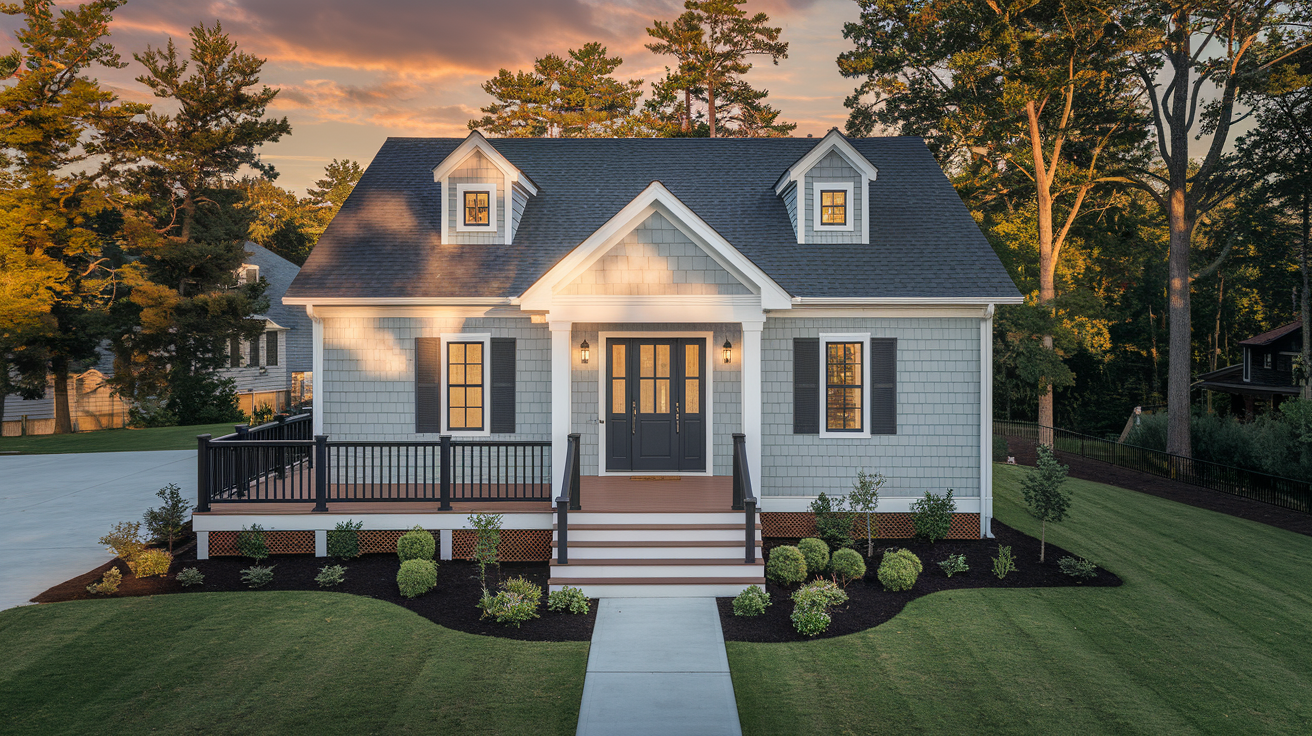
First impressions dictate how quickly you lease a unit, the quality of tenant inquiries you receive, and what rent level the market will bear. Exterior improvements consistently return more than 95 percent of cost at resale, and that same appeal translates directly into rental demand because prospective tenants make snap judgments from the curb before they ever see the interior. A house with peeling paint, dead landscaping, a sagging porch, and a dented garage door signals neglect, even if the inside is pristine. Tenants and appraisers assume that exterior condition reflects overall property management, so curb appeal upgrades produce outsized returns relative to their cost.
Key curb appeal upgrades for house hackers:
Front door replacement (steel doors recoup 100 percent of cost, fiberglass doors recoup 80 percent, both improve security and visual impact). Exterior paint and siding repair (repainting costs $3,000 to $7,000 and produces immediate perceived value, repair damaged siding to avoid bigger problems). Window replacement (vinyl windows recoup 74 percent of cost, wood windows 71 percent, both reduce drafts and lower utility bills). Landscaping (average spend $3,500, low maintenance plants, fresh mulch, sod in bare areas, and trimmed shrubs dramatically improve appearance). Outdoor lighting (motion sensor fixtures, path lights, and porch lights increase safety and curb appeal for under $500). Deck, porch, or patio addition (recoup 89 to 95 percent of cost, typical deck runs about $10,000, creates usable outdoor space that tenants value).
ROI and cost data make the decision straightforward. Landscaping that averages $3,500 can shorten vacancy from 45 days to 15 days, which saves one month’s rent. If your unit rents for $1,500, that’s $1,500 saved on a $3,500 investment, or nearly 43 percent immediate return before you even count the sustained rent premium from better curb appeal. A $10,000 deck addition that allows you to raise rent by $75 per month produces $900 in additional annual income and recovers 89 to 95 percent of cost at resale. Exterior paint for $5,000 that lets you command top of market rent instead of sitting at the lower end of the comp range can add $100 per month, or $1,200 per year. Payback in just over four years, plus you get back more than 95 percent when you sell.
Because exterior upgrades are visible to every prospective tenant and every appraiser, they’re among the first renovations to prioritize when you’re optimizing a house hack for both cash flow and future equity.
Systems Upgrades That Protect Cash Flow and Reduce Vacancy Risk
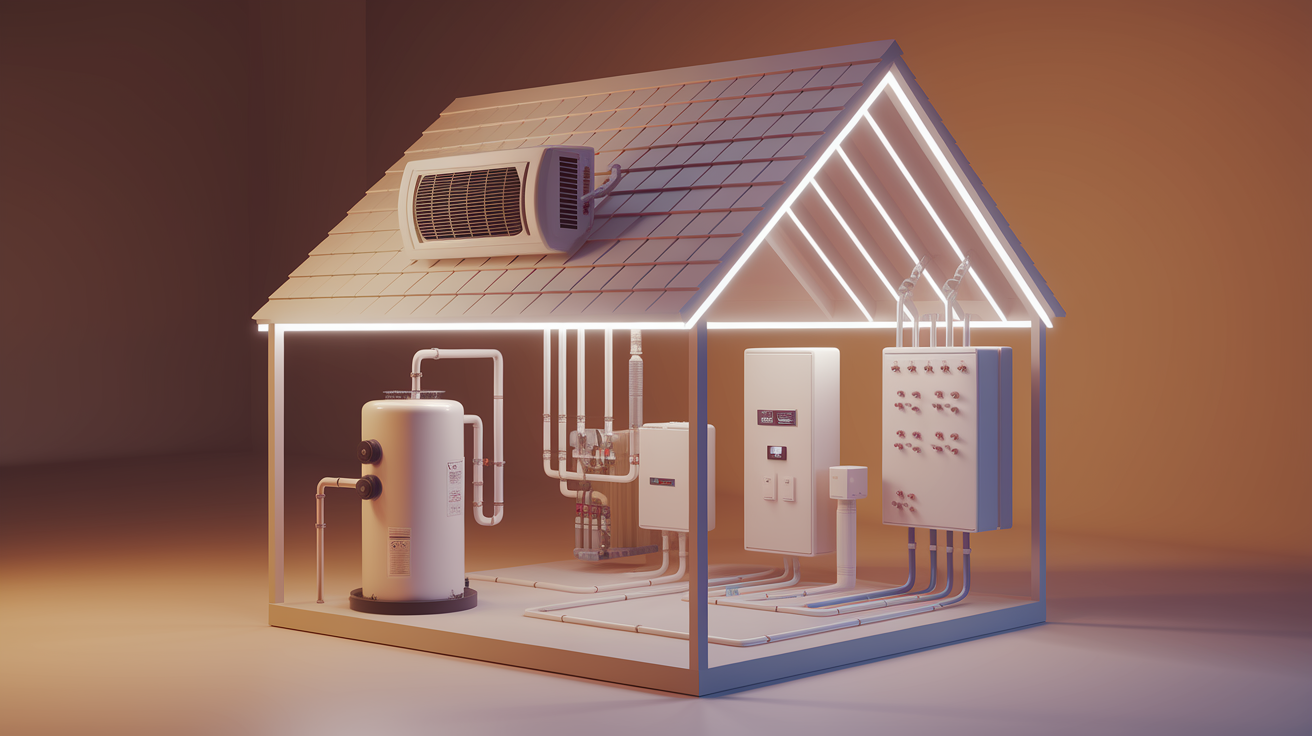
Reliable HVAC, plumbing, electrical, and water heating systems are invisible to tenants when they work and catastrophic to cash flow when they fail. Systems upgrades don’t photograph well and tenants rarely pay extra rent for a new furnace, but they prevent the emergency service calls, vacancy losses, and tenant dissatisfaction that destroy returns. In a house hack scenario where you’re living on site or managing closely, a broken HVAC system in the middle of summer doesn’t just cost you the repair bill. It costs you tenant goodwill, potential lease breaks, and lost rent if the unit becomes uninhabitable. Buyers and appraisers also care about systems condition: 46 percent of home buyers say they’re less willing to compromise on home condition, and the average U.S. home is now older than 40 years, which puts most systems past their expected service life.
Key systems upgrades that protect house hacking cash flow:
HVAC replacement or upgrade (cost $3,000 to $8,000 depending on size and efficiency, modern systems reduce utility costs and service calls). Water heater replacement (cost $500 to $2,000, tankless models save space and reduce energy use, reliable hot water is a baseline tenant expectation). Electrical panel upgrade (cost $1,000 to $3,000, necessary when adding units or modern appliances, prevents tripped breakers and safety hazards). Plumbing repairs and re piping (cost $1,000 to $5,000 depending on scope, fix leaks, replace old galvanized or polybutylene pipe, install shut off valves for each unit).
The ROI on systems work comes from avoided costs rather than rent increases. A $5,000 HVAC replacement doesn’t let you charge higher rent, but it prevents a mid lease failure that could cost $8,000 in emergency repairs, temporary housing for displaced tenants, lost rent, and lease break penalties. A $1,500 water heater replacement avoids the scenario where you’re scrambling to find a plumber on a weekend while tenants withhold rent or break the lease. Electrical panel upgrades eliminate fire risk and allow you to safely add circuits for in unit laundry, additional outlets, or ADU sub panels. Plumbing repairs stop small leaks from becoming major water damage and mold remediation projects that can cost tens of thousands of dollars and render units uninhabitable for months.
When you’re house hacking and depending on rental income to cover your mortgage, systems reliability is a financial insurance policy that pays for itself by preventing disasters you can’t afford.
Interior Cosmetic Improvements With Outsized ROI for House Hackers
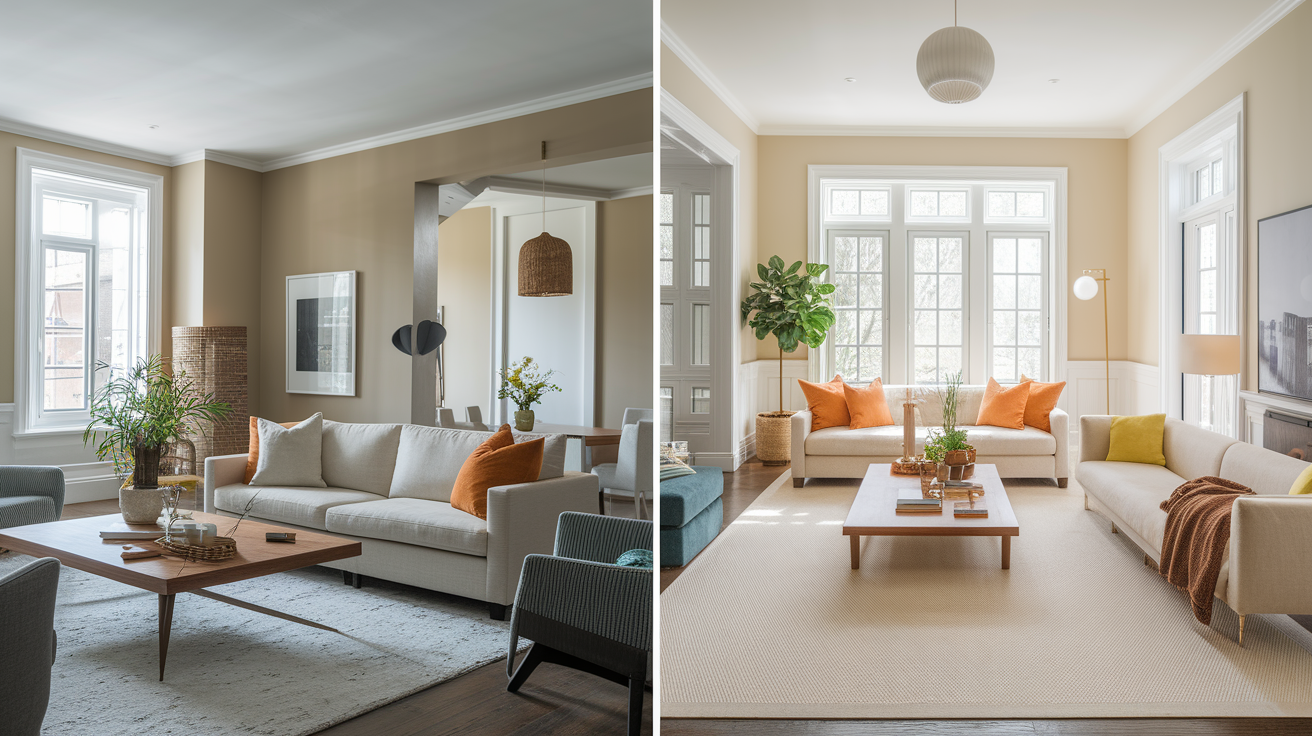
Cosmetic improvements deliver more perceived value per dollar than almost any other renovation category because they’re immediately visible, they’re low cost, and they create the “move in ready” impression that shortens vacancy and justifies higher rent. Fresh paint, updated lighting, refinished or durable flooring, and visible maintenance repairs don’t add square footage and they don’t change the layout, but they transform how tenants perceive the quality and care level of the property. In competitive rental markets where tenants have options, cosmetic condition often determines whether your unit leases in one week or sits vacant for two months.
The highest return interior cosmetic upgrades are paint, lighting, and flooring. Neutral paint colors (soft grays, warm whites, greiges) appeal to the widest tenant base and photograph well in listings. A whole house interior paint job costs $2,000 to $5,000 depending on size and typically adds $50 to $100 per month in supportable rent by making the unit feel clean and well maintained. Lighting upgrades (replacing builder grade fixtures with modern LED flush mounts, adding dimmer switches, installing under cabinet lighting in kitchens) cost $300 to $1,000 and create a perception of quality that exceeds the price. Flooring durability matters more in rentals than in owner occupied homes because turnover is higher and tenants are less careful.
Luxury vinyl plank (LVP) is the current favorite for rental properties because it’s waterproof, scratch resistant, easy to install, and visually indistinguishable from hardwood at a fraction of the cost. Expect $2 to $5 per square foot installed. Refinishing existing hardwood floors costs $3 to $5 per square foot and delivers strong ROI when the underlying floor is in decent shape, but LVP is often the better choice in high turnover situations because it’s more durable and easier to replace individual planks if damage occurs.
Four recommended quick interior cosmetic upgrades:
Fresh paint in neutral colors throughout (highest ROI per dollar, makes everything else look better). LED lighting upgrades and dimmer switches (improves function, reduces energy cost, signals modernity). Durable waterproof flooring in kitchens, bathrooms, and high traffic areas (LVP or tile, prevents damage and reduces turnover costs). Visible maintenance repairs such as caulk, grout, outlet covers, door hardware (small fixes that eliminate “deferred maintenance” perception).
Staging and cleanliness strategies from resale marketing apply directly to rental prep. Deep cleaning, decluttering, and presenting an empty or lightly staged unit helps prospective tenants visualize living there and reduces objections. Professional staging isn’t necessary for rentals, but clean floors, fresh paint, and uncluttered photos in your listing make a measurable difference in inquiry volume and lease speed. When you’re house hacking and need to fill a vacancy quickly to cover your mortgage, spending $3,000 on paint and flooring that shortens vacancy by three weeks can save you a full month’s rent and set a higher baseline rent for the entire lease term.
Renovation Budgeting and Phasing for House Hackers
Breaking renovation projects into financially manageable phases while maximizing ROI requires matching your available capital to the projects that produce the fastest payback and sequencing work to avoid doubling back on completed areas. The goal is to get rentable units into service as quickly as possible so rental income starts covering costs, then reinvest that cash flow into the next phase. Renovation budgeting for house hackers differs from standard investor rehabs because you’re often living on site during construction, which creates timing and livability constraints, and because you’re optimizing for both immediate rent and long term appreciation rather than a single exit event.
| Upgrade | Typical Cost Range | Typical Timeline | Expected ROI Indicator |
|---|---|---|---|
| Kitchen cosmetic refresh | $3,000–$15,000 | 1–3 weeks | 60% resale recoup; $100–$200/mo rent uplift |
| Bathroom cosmetic refresh | $2,000–$8,000 | 1–2 weeks | 50–85% resale recoup; tenant retention |
| Door/window upgrades | $1,500–$10,000 | 1–3 days per opening | 74–100% resale recoup; energy savings |
| Landscaping and curb appeal | $500–$5,000 | Days to 2 weeks | >95% resale recoup; faster lease‑up |
| Systems upgrade (HVAC, water heater, electrical, plumbing) | $3,000–$15,000 | 1–2 weeks total | Avoided emergency costs; tenant retention |
Sequencing projects to maximize ROI and minimize rework starts with high visibility, low cost improvements that unlock rent increases immediately, then moves to structural and systems work that takes longer but produces sustained cash flow gains. Phase one should focus on exterior and curb appeal (paint, landscaping, front door, basic repairs) because these projects are fast, relatively inexpensive, and create the first impression that determines whether prospective tenants even schedule a showing. Phase two tackles interior cosmetics in the units you plan to rent first (paint, flooring, lighting, kitchen and bathroom fixture upgrades) to get those units rentable and cash flowing as soon as possible.
Phase three addresses systems reliability (HVAC, plumbing, electrical, water heater) because you need rental income from phases one and two to fund these larger expenses, and because systems failures are most tolerable when you’re still in the early lease up period and can schedule work around vacancy. Phase four is layout conversions and additions (basement finishing, bathroom additions, ADU construction) because these are the longest, most expensive projects and they benefit from the lessons and cash flow you’ve accumulated in earlier phases.
Calculate payback time by dividing the upgrade cost by the additional annual income it generates: a $12,000 bathroom addition that produces $200 per month in extra rent yields $2,400 per year, so payback is five years (12,000 / 2,400). If your plan is to hold the property for ten years, a five year payback is excellent. If you’re planning to sell in three years, focus on projects with faster payback or higher resale recoup percentages.
Permits, Codes, and Contractor Vetting for Value Add Renovations

Permit and code compliance prevent costly rework, legal liability, and insurance or resale problems that can wipe out all the value you created through renovation. Adding a bathroom, finishing a basement, converting an attic, building an ADU, upgrading an electrical panel, or substantially altering plumbing all require permits in most jurisdictions. Working without permits is tempting because it’s faster and avoids inspection delays, but it exposes you to stop work orders, fines, forced removal of completed work, insurance claim denials, and title issues when you try to sell. Older homes (now averaging more than 40 years old nationally) also carry hidden code risks because standards have changed, so renovations often trigger requirements to bring other systems up to current code even if you’re only touching one area.
Permit timelines vary by project complexity and local government workload, but budget two to six weeks for plan review and approval before you can start work, then schedule inspections at rough in and final stages. Inspection failures cause delays and rework, so hire contractors who know local code and have a track record of passing inspections on the first attempt. The cost of permits is typically 1 to 3 percent of project cost. Small compared to the risk of working without them. In house hacking scenarios where you’re creating rentable units, code compliance is even more critical because tenant safety and habitability standards are stricter than for owner occupied space, and one injury or code violation complaint can result in fines, forced vacancy, and legal liability.
Contractor vetting protects you from cost overruns, delays, poor workmanship, and outright fraud. Remodeling demand has increased in kitchens, roofs, and bathrooms over the past two years, which means good contractors are busy and bad contractors are plentiful. Real estate agents often provide contractor referrals, which is a useful starting point, but you should independently verify licensing, insurance, references, and recent project quality before signing a contract. Require a detailed written scope of work, a fixed price or not to exceed estimate with clear allowances for materials, a payment schedule tied to work milestones, and a timeline with penalties for delays.
Never pay more than 10 percent upfront. Standard schedules are 10 percent to start, 40 percent at rough in, 40 percent at substantial completion, and 10 percent final payment after walkthrough and punchlist. Minimize change orders by finalizing all design decisions and material selections before work begins. Every change order adds cost and delay. In a house hack renovation where you’re depending on rental income to cover your mortgage, contractor delays and cost overruns can push you into financial trouble quickly, so thorough vetting and a tight contract are worth the extra time upfront.
Post Renovation Rental Pricing and ROI Measurement

Quantifying whether your upgrades produced measurable gains requires comparing post renovation rent and expenses to pre renovation baselines and to current market comparables for similar upgraded units. The goal is to confirm that the rent increase you achieved justifies the capital you deployed, and to identify which projects delivered the strongest returns so you can prioritize them in future renovations. Average renovation cost recovery is about 74 percent at resale according to 2026 market data, but rental income ROI can be much higher because you’re capturing the benefit every month rather than waiting years for a sale. Buyers prefer move in ready homes (46 percent are unwilling to compromise on condition) and tenants have the same preference, which means cosmetic and functional upgrades produce immediate rent premiums in competitive markets.
Setting post renovation rent starts with updated comparables. Pull recent leases for similar properties in your neighborhood that match your unit’s size, bed/bath count, and condition. Focus on properties that have been recently updated, because those are your true comps. Don’t compare your renovated unit to outdated rentals that haven’t been improved in years. If comps show a range from $1,200 to $1,600 for similar two bedroom units, and yours now has a fully updated kitchen and bathroom while most comps are original condition, you can confidently price at the top of the range or slightly above. Many house hackers underprice renovated units because they’re anchoring to pre renovation rent levels instead of market comps. Don’t leave money on the table by failing to capture the value you created.
Four ways to measure renovation ROI:
Rent uplift: Compare monthly rent before and after renovation, multiply the increase by 12 to get annual income gain, then divide renovation cost by that annual gain to calculate payback period.
Reduced vacancy: Track days on market before and after upgrades. If renovations cut vacancy from 60 days to 20 days, that’s 40 days of saved rent (1.3 months) which is immediate ROI.
Cap rate improvement: Calculate net operating income (NOI) before and after, divide by property value to get cap rate. If renovations increased NOI from $12,000 to $18,000 and property is worth $300,000, cap rate improved from 4% to 6%.
Expense reduction: Measure whether systems upgrades (HVAC, plumbing, electrical) reduced maintenance calls and emergency repair costs. Track service expenses for six months pre and post renovation.
A concrete example makes the math clear. You spend $25,000 on a combination of kitchen refresh ($8,000), bathroom upgrade ($5,000), exterior paint and landscaping ($7,000), and systems work ($5,000). Pre renovation rent was $1,200 per month. Post renovation comps support $1,500 per month, a $300 increase. That’s $3,600 in additional annual income. Simple payback is $25,000 divided by $3,600, or about seven years. Over a ten year hold, you’ll collect $36,000 in extra rent against a $25,000 investment, plus you’ll recover roughly 60 to 74 percent of the renovation cost in appreciation when you sell.
If the upgrades also reduced vacancy by 30 days (one month’s rent of $1,500), your effective payback drops to under six years. That’s solid ROI for a house hacking strategy, especially when you factor in mortgage paydown and tax benefits on the rental income. The key is tracking the numbers accurately so you know which projects worked and which ones didn’t deliver. Then you replicate the winners and skip the losers on your next property.
Final Words
You focused on the highest-impact projects: kitchens, bathrooms, unit conversions, curb appeal, systems, and interior cosmetics. Each section gave cost ranges, expected ROI, and rent-uplift examples to use right away.
Sketch a phased plan: start with quick wins (paint, doors, lighting), then kitchens and baths, then conversions and systems. Keep contingency money and handle permits early.
Use this checklist of top renovation priorities for house hacking value-add to phase work around budget and timeline. You’ll raise rent and cut vacancy.
FAQ
Q: What renovations will increase home value the most? / What house renovations add the most value?
A: Renovations that increase home value the most are curb-exterior work (doors, windows), kitchen and bathroom updates, and finished basements or attic conversions, since they boost resale appeal and rental income.
Q: What is the 30% rule for renovations?
A: The 30% rule for renovations is a rough budget check: try not to spend more than about 30% of the property’s value or purchase price on rehab to avoid overcapitalizing, though local markets matter.
Q: What is the 3 3 3 rule in real estate?
A: The 3 3 3 rule in real estate is a quick shorthand investors use; common version means three months of reserves, roughly 3% vacancy, and about 3% annual repair allowance, but meanings vary by source.