

House hacks are the fastest way to fund more rental buildings — but only if you use strategic refinancing, not wishful thinking.
Start here: learn how to treat the equity you built as working capital, pull cash with HELOCs or cash‑out refis, stabilize your first rehab, then repeat.
I’ll walk you through the simple math, timing pitfalls, and the first five actions that actually get you from unit one to a small multifamily portfolio.
Immediate Steps to Begin Scaling Beyond Your First House Hack

House hacking does four things that set you up to grow. You’re living in one unit of a 2–4 unit property while renting the rest, so rental income pays most or all of your mortgage. You get access to low down payments, often 3–5% through FHA or conventional owner‑occupied loans that wouldn’t be available on investor deals. You’re building equity through forced appreciation, monthly principal paydown, and rising rents while keeping your own housing costs near zero. That mix lowers risk and gives you a real foundation for what comes next.
Turning a house hack into something scalable means treating the equity you’ve built as working capital, not something you sit on. Calculate how much accessible equity you control right now. Your home equity, cash reserves, funds you can tap without tax penalties. Get ready for the shift away from owner‑occupied financing. Your next deal probably needs a bigger down payment, tougher underwriting, stronger reserves. Managing two or three properties requires actual systems. Rent collection workflows, expense tracking, tenant communication that goes beyond texting your roommate.
Your first five moves after wrapping a house hack:
- Calculate net worth and identify every equity source you can access (HELOC eligibility, refinance potential, liquid savings).
- Set up property‑level cash‑flow tracking so you’re working with real monthly NOI, not guesses.
- Build 3–6 months of operating reserves per property for vacancy, surprise maintenance, debt service gaps.
- Underwrite at least five sample multifamily deals in your market to learn what realistic numbers actually look like.
- Pick two or three target neighborhoods based on job growth, rent trends, affordability where you’ll focus your search.
Early mistakes kill momentum before you get to property two. Overestimating rent by 10% wipes out cash flow and forces you to cover shortfalls from your paycheck. Weak reserves turn a broken water heater into a credit card problem. Skipping due diligence, ignoring rent comps, trusting seller numbers, that’s how you buy negative surprises. And don’t forget tax reassessment. When you buy at market value, the county often reassesses, and your property taxes can jump 20–40% in year two.
Building the Financial Foundation to Scale Into Small Multifamily

Once you move past 2–4 units into 5+ properties, lenders switch from residential to commercial underwriting. They focus on three metrics: Debt Service Coverage Ratio (DSCR, which shows whether rent income beats your loan payment by a comfortable margin, most want 1.25× or higher), Loan-to-Value (LTV, the percentage of purchase price you’re borrowing, expect 75–80% max for 5+ units), and Net Operating Income (NOI, total rent minus operating expenses before debt service). These metrics decide how much you can borrow and whether your next deal even qualifies.
Your ability to scale depends on tapping equity you already have, not waiting years to save another down payment. A HELOC gives you a revolving credit line secured by your house hack or primary residence. You draw what you need for down payments and closing costs, then pay it down as cash flow builds. A cash‑out refinance replaces your existing mortgage with a bigger loan and hands you the difference in cash. Useful when rates work and you want a lump sum for acquisition. A 1031 exchange defers capital gains taxes by reinvesting sale proceeds into a new property within strict IRS timelines. It’s powerful for moving from single‑family into multifamily without a tax hit. Reserve requirements typically run 3–6 months of operating expenses per property (rent, insurance, utilities, management fees, average maintenance), so if your monthly nut is $4,000, you’re holding $12,000–$24,000 in accessible cash per building.
| Capital Source | Typical Use Case |
|---|---|
| HELOC | Flexible, revolving credit for down payments and quick rehab draws; repay as deals stabilize. |
| Cash‑Out Refinance | Extract lump sum equity when rates are low or appraisal has climbed; fund full acquisition or portfolio expansion. |
| 1031 Exchange | Sell one property and reinvest proceeds into larger multifamily without paying capital gains tax; strict 45/180‑day rules apply. |
| Savings & W‑2 Income | Supplement equity sources for down payment gaps, reserves, and closing costs; slower but low‑risk. |
Finding and Analyzing Small Multifamily Deals After Your House Hack
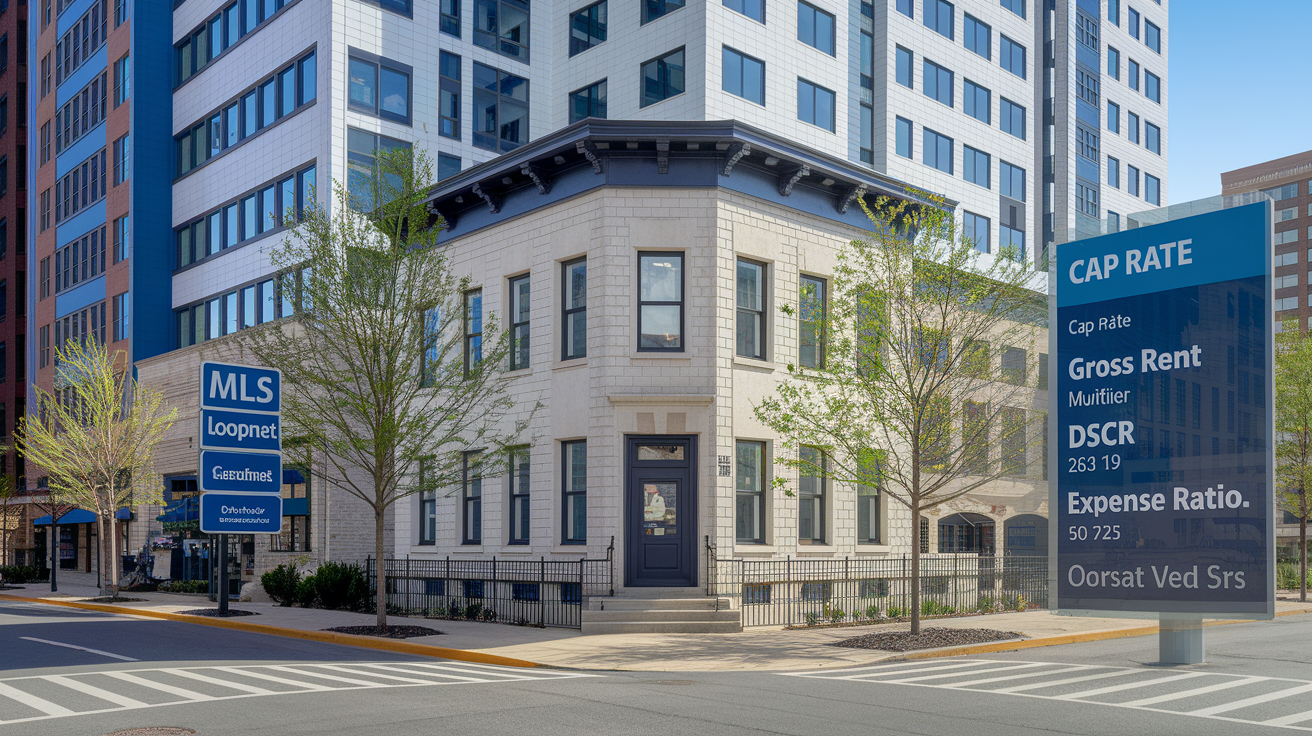
Deal flow for small multifamily comes from on‑market listings (MLS, LoopNet, local brokerage sites), off‑market relationships (direct mail to tired landlords, wholesaler networks, pocket listings from brokers who focus on 2–10 unit buildings), and investor communities where members share opportunities before they go public. Start by setting up MLS alerts for 2–10 unit properties in your target zip codes. Build relationships with one or two multifamily brokers who get investor criteria and won’t waste your time with overpriced junk. Wholesalers can deliver below‑market deals if you move fast, but verify their numbers independently. Many inflate rent projections and downplay deferred maintenance.
Core underwriting metrics for small multifamily include cap rate (NOI divided by purchase price, expect 5–9% depending on market and condition), Gross Rent Multiplier (GRM, purchase price divided by annual gross rent, lower is better, typically 4–10×), DSCR (calculated as NOI divided by annual debt service, with 1.25× being the lender minimum), and expense ratio (operating expenses divided by gross rent, 30–50% is normal for well‑managed small multifamily). Rent comps matter more than in single‑family because small shifts in per‑unit rent multiply across the building. If your 6‑unit property rents for $50/month below market, that’s $3,600/year in lost NOI and a direct hit to resale value since multifamily gets valued on income, not comparable sales.
Putting together a basic pro forma means listing all income sources (base rent, laundry, parking, storage, pet fees), subtracting operating expenses (property taxes, insurance, utilities if owner‑paid, repairs, management fees, vacancy allowance, capex reserve), and landing on NOI. Then subtract annual debt service to get cash flow, and divide annual cash flow by your total cash invested (down payment plus closing costs plus immediate repairs) to calculate cash‑on‑cash return. Most investors target 8–12% minimum, but strong markets with appreciation potential sometimes accept 5–7% if the upside is clear. Test every assumption. If the seller says rents are $1,200 but Craigslist comps show $1,050, use $1,050 and model a scenario where one unit stays vacant an extra month.
Market Drivers That Predict Whether a Multifamily Deal Will Scale
Job growth signals rising housing demand and rent support. If your metro added 5,000 jobs last year in sectors paying $50,000+ annually, those workers need apartments, and landlords capture that demand through occupancy and rent increases. Population growth, especially among renters aged 25–40, directly feeds multifamily absorption. Check census data and local economic development reports for five‑year trend lines. Rent growth forecasting relies on comparing trailing 12‑month rent increases to wage growth and inflation. If rents climbed 6% while wages rose 3%, expect moderation unless supply stays constrained. Vacancy analysis tells you how tight the market is right now. Sub‑5% vacancy means pricing power for landlords, while 8%+ vacancy means you’re competing on price and concessions, eroding NOI and making refinancing harder when it’s time to pull equity for the next deal.
Value‑Add Tactics and BRRRR Variations for Small Multifamily Growth
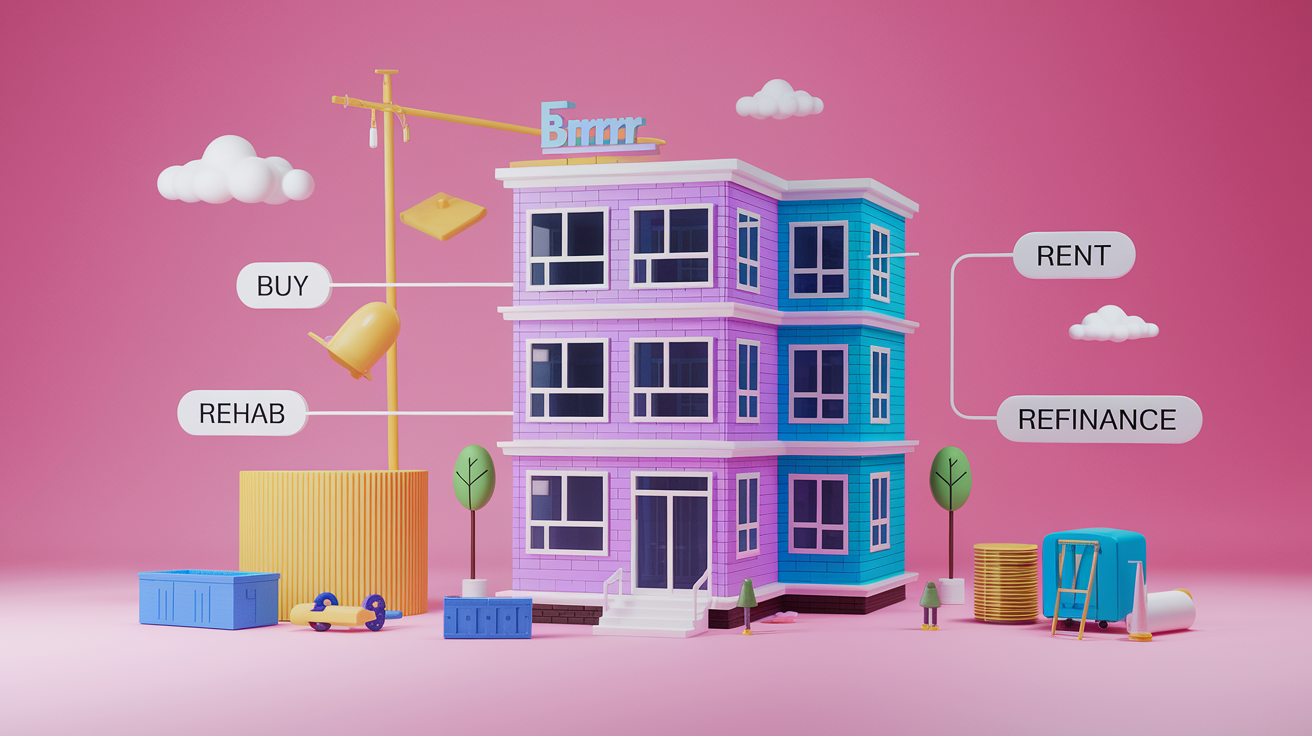
BRRRR (Buy below market, Rehab to raise rents and NOI, Rent the improved units, Refinance to extract equity, and Repeat the cycle with new capital) works especially well on 2–10 unit properties because raising NOI by even $200 per unit per month translates into $20,000–$40,000 of additional property value when the building gets appraised for refinance. You’re not waiting for market appreciation. You’re forcing it through operational improvements and rent optimization. The refinance step is where the magic happens. Once the property stabilizes at higher rents and lower vacancy, you pull out most or all of your initial investment, leaving the building to cash flow while your capital funds the next acquisition.
Rehab scope control and contractor selection determine whether BRRRR accelerates your scaling or drains reserves for months. Define a clear scope of work before closing (unit interiors, common areas, systems like HVAC, plumbing, electrical, curb appeal) and get three bids from contractors who’ve done similar multifamily projects. Pad timelines by 25%. If a contractor says six weeks, plan for eight. Lock pricing in writing and tie payment milestones to completed work, not calendar dates, so you keep leverage if the job stalls.
Highest‑ROI improvements for small multifamily:
Unit upgrades. New paint, vinyl plank flooring, updated kitchens and baths can support $100–$200/month rent increases per unit with $5,000–$10,000 investment per door.
Laundry additions. Installing coin‑op or card‑based laundry in previously unserved buildings generates $50–$150/month in ancillary income and improves tenant retention.
Parking monetization. Charge $25–$75/month per assigned space if parking was previously free. Nearly 100% margin.
Utility billing. Transition from owner‑paid to tenant‑paid utilities (water, gas, electric) using RUBS or individual metering to cut operating expenses by 10–20%.
Storage. Add lockable basement or exterior storage units at $25–$50/month per tenant. Low capex, recurring income.
Energy‑efficiency enhancements. LED lighting, programmable thermostats, improved insulation lower utility costs and may qualify for local rebates that offset the expense.
Financing Your Second and Third Property: From Duplex to 10 Units

Residential lending (2–4 units) lets you use conventional or FHA loans with down payments as low as 3.5–15%, and lenders primarily underwrite your personal income, credit score, debt‑to‑income ratio. Once you step into 5+ unit properties, you enter commercial lending territory where the property’s income and NOI drive the approval, not your W‑2. That shift means you need stronger deal fundamentals (documented rent rolls, trailing 12‑month financials, realistic expense projections), but it also means you can scale faster because your personal income stops being the bottleneck.
DSCR loans simplify underwriting once you have one or two deals under your belt and can show cash flow. The lender calculates the property’s monthly NOI, divides it by the proposed monthly debt service, and approves the loan if the ratio hits their minimum threshold (usually 1.20–1.30×). No tax returns, no employment verification, no debt‑to‑income calculations. Just property performance. Rates run 0.5–1.5% higher than owner‑occupied loans, but the speed and simplicity make DSCR loans the go‑to financing tool for scaling investors. Portfolio loans let you bundle multiple properties under one blanket loan, which can improve terms and reduce closing costs. Community banks and credit unions offer these most often, and they’re worth exploring once you own three or more buildings.
Creative financing options that speed up your second and third acquisitions:
Seller carryback. The seller acts as the bank and finances part of the purchase price. You make payments to them instead of a traditional lender, often with flexible terms and lower down payment requirements.
Assumable loans. If the existing loan (FHA, VA, or certain portfolio loans) is assumable and below current market rates, you take over the seller’s loan and only finance the equity difference.
Joint venture capital. Partner with someone who has cash but lacks time or expertise. They fund the down payment and reserves, you manage the deal, and you split cash flow and equity according to a written operating agreement.
Private lenders. Individuals or small funds that lend based on the deal, not your credit profile. Expect higher rates (8–12%) and shorter terms (1–3 years), but fast closings and minimal paperwork.
Managing Your Portfolio as You Scale Into Multifamily Ownership

Self‑managing works when you own one or two small buildings within 15 minutes of your home and have the time to handle tenant calls, coordinate repairs, enforce lease terms. Once you cross three properties or 12–15 total units, or if the buildings are spread across multiple zip codes, hiring a property manager becomes necessary to preserve your time and maintain consistent operations. A good manager handles rent collection, tenant screening and placement, maintenance coordination, vendor relationships, lease enforcement, eviction processing, legal compliance (fair housing, local ordinances, safety inspections). Expect to pay 8–10% of collected rent for professional management. That cost is built into your pro forma and protects you from burnout and costly mistakes.
Tenant screening standards should be written, consistent, legally compliant. Require minimum credit scores (typically 600+), income verification at 3× monthly rent, rental history with no recent evictions, criminal background checks that comply with local fair‑chance housing laws. Renewal strategies matter more in small multifamily than single‑family because turnover is expensive. Plan rent increases 60–90 days before lease expiration, offer small incentives for on‑time renewals (one month free parking, $100 rent credit), maintain responsive communication so tenants feel heard and stay longer. Communication best practices include setting clear office hours, using a tenant portal for maintenance requests and rent payments, responding to non‑emergency issues within 24–48 hours.
Automation tools and standard operating procedures (SOPs) let you manage more units without proportionally more time. Online rent collection through platforms like Avail, TenantCloud, or Buildium eliminates check‑chasing and provides automatic late‑fee assessment and digital receipts. Real‑time financial tracking via QuickBooks or Stessa gives you property‑level P&Ls, tracks expenses by category, flags budget overruns before they compound. Bookkeeping automation using receipt‑scanning apps and bank‑feed integration cuts monthly close time from hours to minutes. SOPs (written step‑by‑step guides for tenant move‑in, maintenance triage, lease renewal, emergency response) ensure consistency when you delegate tasks to an assistant, contractor, or property manager.
Scaling Without Burning Out
Time‑management strategies that prevent overwhelm include batching similar tasks (review all maintenance requests Monday morning, update financials Friday afternoon), blocking calendar time for deal analysis separate from operations, ruthlessly delegating anything that doesn’t require your unique expertise. Outsourcing triggers to watch for: when you spend more than five hours per week on maintenance coordination, hire a handyman or manager. When bookkeeping takes more than two hours per month, hire a part‑time bookkeeper. When tenant calls interrupt your day job or family time, that’s the signal to bring in professional management. Burnout often stems from mixing roles, trying to be the analyst, manager, and maintenance coordinator simultaneously. Define your highest‑value activity (usually deal sourcing and financing) and build a team around everything else.
Risk Management, Stress Testing, and Avoiding Over‑Leverage

Stress‑testing your deals before you close means running scenarios where things go wrong and confirming you can still service debt and cover expenses. Model a 10% rent decrease, a two‑month vacancy on your largest unit, a $5,000 unexpected repair (roof leak, HVAC failure, plumbing emergency) all hitting in the same year. If your cash flow goes negative or you’d need to inject personal funds for more than three months, the deal is too thin. Check the county’s recent assessment history. If comparable properties saw 20–30% tax increases after sale, factor that into year‑two projections because your taxes will likely follow.
Insurance, diversification, reserve sizing, and deal discipline form your risk‑control foundation. Landlord insurance should include liability coverage of at least $1 million, loss‑of‑rent protection for 6–12 months, coverage for your actual replacement cost, not just the depreciated value. Cheap policies create expensive gaps when you file a claim. Diversification across neighborhoods or property types (mixing duplex, fourplex, and small apartment buildings) reduces the impact of localized downturns or regulatory changes. Reserve sizing of 3–6 months operating expenses per property isn’t optional. It’s the buffer that keeps you solvent when two units turn over in the same month or the furnace dies in January. Avoiding speculative buys means never assuming appreciation will bail you out. If the deal doesn’t cash flow from day one after realistic expenses and vacancy, walk away.
Five scaling risks to avoid:
- Overleveraging. Using 90%+ LTV or stacking multiple layers of debt (first mortgage, HELOC, private loan) leaves no margin when rents dip or expenses spike.
- Underestimating rehab costs. Failing to get contractor bids or inspect thoroughly before closing can double your capex budget and kill refinance math.
- Ignoring market cycles. Buying aggressively at peak pricing with the assumption that rents will keep climbing 8% annually sets you up for negative cash flow when the cycle turns.
- Skipping due diligence. Trusting seller numbers without verifying rent rolls, reviewing actual utility bills, getting a professional inspection invites hidden costs that surface after you own the property.
- Neglecting legal and tax advice. Operating without proper entity structure (LLC, S‑corp), missing depreciation strategies, or violating local rent‑control or tenant‑protection laws creates liability and lost savings that compound over time.
Building a Long‑Term Acquisition Plan and Scaling Roadmap

Typical timelines for scaling depend on market conditions, financing access, deal quality, but a realistic progression might look like this: acquire your second property (a duplex or triplex) within 12–18 months of completing your house hack, using equity from appreciation and forced improvements. Reach five total units within 24–36 months by adding a fourplex or small 5‑unit building. Hit ten units by month 48–60 through a combination of BRRRR recycling, cash‑out refinancing, possibly a 1031 exchange if you sell an underperforming asset. Those timelines assume disciplined underwriting, consistent deal flow, avoiding the temptation to chase mediocre deals just to hit a milestone.
Track these metrics monthly to gauge portfolio health and spot problems early: NOI per property and per unit, DSCR for each financed building (your lender cares, and so should you), rent growth compared to market averages (are you keeping pace or falling behind?), expense ratio as a percentage of gross rent (30–50% is normal, above 55% suggests inefficiency or deferred maintenance catching up), reserve balance relative to your target of 3–6 months per building. Annually, review your overall cash‑on‑cash return, equity position in each property, whether any asset should be sold or refinanced to reallocate capital more effectively.
Creating an acquisition cadence turns deal hunting from sporadic to systematic. A sustainable rhythm might be: evaluate ten deals per week (MLS alerts, broker emails, wholesaler texts), underwrite three that meet your initial screens (location, unit count, rough price per door), submit one offer. That 10‑3‑1 ratio means you’re constantly in the market without burning out on analysis paralysis, and it keeps deal flow consistent so you’re not scrambling when equity becomes available. Build time into your calendar for this work (two hours on Sunday for initial screening, one hour midweek for deeper underwriting) and treat it like a business meeting you can’t skip.
Real Examples of Scaling From a House Hack Into a Multifamily Portfolio

A typical scaling path starts with a house hack on a duplex, living in one unit and renting the other for 18 months while saving and forcing appreciation through minor upgrades (new appliances, fresh paint, improved landscaping). After refinancing or obtaining a HELOC, the investor purchases a fourplex as a pure investment property, using the extracted equity for the down payment and reserves. Rent from the duplex and fourplex together now covers both mortgages and generates a few hundred dollars monthly in positive cash flow. Twelve months later, the investor repeats the cycle, this time targeting a 5‑unit building that needs light rehab, applying the BRRRR method to increase rents by $100 per unit and refinancing to pull out capital for the next deal.
The efficiency of managing 20 units under one roof compared to 20 scattered single‑family houses becomes obvious as you scale. A single 20‑unit building means one property tax bill, one insurance policy, one roof to maintain, one address for contractors, centralized systems for utilities and common areas. Consolidated maintenance trips, bulk purchasing power for appliances and materials, the ability to hire on‑site or dedicated management all reduce per‑unit operating costs and time demands. NOI‑based valuation in multifamily also means that every operational improvement you make (raising rents, reducing expenses, improving occupancy) directly increases the property’s market value in a way that single‑family comps never reflect.
The equity recycling cycle that drives scale follows three repeatable steps:
- Acquire below market or stabilize underperforming properties. Buy at a discount, improve operations, or force appreciation through rehab so the property’s value climbs above your all‑in cost.
- Refinance to extract equity. Once rents stabilize and the property appraises higher, refinance into a long‑term loan that pulls out 70–80% of the new value, returning most or all of your initial capital.
- Redeploy capital into the next acquisition. Use the extracted equity as the down payment and reserves for property number two, three, or four, repeating the cycle while the previous properties continue to cash flow and appreciate.
Final Words
Hit the gas. Pull usable equity, run quick pro formas, and build 3–6 months of operating reserves. Those first moves keep your options open.
Track NOI, DSCR, and rent comps. Stress-test for vacancy and rate shocks. Avoid overleveraging and underestimating rehab.
Practice the cycle: increase value, refinance, pull equity, repeat. That’s how to scale from a house hack to a small multifamily portfolio. Small, steady steps and disciplined underwriting get you there. You’ll build momentum.
FAQ
Q: What immediate steps should I take right after finishing a house hack?
A: Right after a house hack, evaluate available equity, track actual rental cash flow, build 3-6 months reserves, underwrite sample multifamily deals, and choose target neighborhoods to pursue.
Q: How can I use equity from my house hack to buy a small multifamily?
A: You can use equity from your house hack with a cash-out refinance, a HELOC, or by refinancing to pull capital, then apply that money as a down payment while meeting lender DSCR and LTV rules.
Q: What do lenders check when I move from owner-occupied to investor financing?
A: Lenders check DSCR (rent covers mortgage), NOI, loan-to-value, borrower credit, and reserves; loans for 5+ units focus more on property-level income and expense history.
Q: What’s a quick underwriting screen for small multifamily deals?
A: A quick screen compares market rents to pro forma, checks cap rate and GRM versus comps, estimates NOI, and verifies DSCR above lender minimums and reasonable expense ratios.
Q: What value-add improvements give the highest ROI in small multifamily?
A: Highest ROI improvements include unit cosmetic upgrades, adding laundry, utility billing, converting storage to rentable space, parking monetization, and energy-efficiency upgrades that lower operating costs.
Q: How should I finance my second and third properties after a house hack?
A: Finance 2–4 unit buys with standard residential loans; use DSCR or commercial loans for 5+ units; consider seller carrybacks, assumable loans, JV capital, or private lenders for added flexibility.
Q: When should I hire a property manager instead of self-managing?
A: Hire a manager when you own multiple properties, your monthly workload exceeds available time, or tenant response, legal compliance, or maintenance consistency starts to suffer.
Q: How do I stress-test my portfolio to avoid over-leverage?
A: Stress-test by modeling 10–25% rent drops, two-month vacancy spikes, and 1–2% interest increases; ensure NOI still covers debt and keep reserves equal to 3–6 months operating expenses.
Q: What monthly metrics should I track as I scale?
A: Track monthly NOI, DSCR, rent growth, expense ratio, occupancy rate, and reserve balance to spot cash-flow issues and measure progress toward acquisition goals.
Q: How long does it typically take to scale from a house hack to 5–10 units?
A: Scaling to 5–10 units typically takes 3–7 years depending on deal flow, equity recycling pace, market rents, and how aggressively you underwrite and close deals.
Q: What common mistakes should I avoid when scaling from a house hack?
A: Avoid overestimating rent, skimping reserves, poor due diligence, ignoring tax-assessment increases, over-leveraging on optimistic projections, and failing to verify local rental comps.