
What if your mortgage paid for itself while you still lived where you wanted?
House hacking a duplex does exactly that: you live in one unit and rent the other so the tenant’s rent covers part or all of your mortgage.
This post walks you through a clear, step-by-step process, including how to pick the right duplex, qualify for owner-occupant financing, run quick deal math, inspect the property, and set up simple tenant systems.
No fluff, just practical checks and tradeoffs so you can decide quickly and avoid costly surprises.
Getting Started With Duplex House Hacking

Duplex house hacking is when you buy a two-unit property, live in one side, and rent out the other. Your tenant’s rent covers part (or all) of your mortgage, taxes, and insurance. In most markets, that drops your housing cost to zero or a few hundred bucks a month instead of paying full rent or a regular mortgage. It works because you’re pulling in rental income while still qualifying for owner-occupant financing.
Duplexes are beginner-friendly. They qualify for the same low down payment loans you’d use on a single-family house, as long as you live in one unit. FHA loans let you put down 3.5 percent. Conventional loans for owner-occupants can start at 5 percent. VA loans require zero down if you’re eligible. Lenders treat duplexes as residential when you occupy one side, so you skip the stricter terms and bigger down payments that come with straight investment properties. That’s why duplex house hacking is one of the easiest on-ramps into real estate.
If you want to start this week, do three things. Check your credit score and make sure you can qualify for a mortgage. Research duplex listings in neighborhoods where you’d actually be willing to live for at least a year. Talk to a lender who understands multifamily owner-occupant loans and ask how much rental income they’ll count toward your qualification. Those three steps turn the idea into a real timeline.
Setting Your Duplex Criteria

Choosing the right duplex starts with understanding what drives rental demand and property performance in your target area. Look at job centers, transit access, school ratings, walkability. Check local vacancy rates and average rents for comparable units. If vacancies are high or rents are flat, you’re more likely to deal with tenant turnover and cash flow headaches. Strong rental markets make everything less risky. You also want to evaluate the duplex’s condition. Major structural problems, old roofs, failing HVAC systems can drain your reserves fast if you don’t have contractor experience or extra capital sitting around.
Before you tour anything, write down your criteria. Decide on your max purchase price, acceptable commute from the property, minimum rent per unit, and whether you’ll touch anything that needs rehab. Clear criteria keep you from falling for a duplex that doesn’t actually support the financial goal. When your standards are concrete, it’s easier to walk away from deals that don’t fit.
Six must-evaluate criteria for choosing a duplex:
- Neighborhood rental demand: Vacancy rates under 5 percent and steady rent growth signal strong tenant interest.
- Separate utilities: Individual gas, electric, and water meters so you’re not subsidizing the tenant’s usage.
- Private entrances and parking: Tenants pay more and stay longer when they don’t share front doors or driveways with the landlord.
- Layout and unit size: Comparable bedroom and bathroom counts in both units make rent setting and future resale easier.
- Condition of roof, HVAC, and plumbing: Aging systems mean capital expenses are coming soon. Budget for them or negotiate price down.
- Zoning and occupancy rules: Confirm the property’s legally zoned as a duplex and check local rental registration or licensing requirements before you close.
Financing Options for Duplex House Hacking
The easiest duplex financing comes from owner-occupant programs that treat the property as your primary residence. FHA loans allow down payments as low as 3.5 percent and accept duplexes, triplexes, fourplexes as long as you live in one unit. Conventional loans from Fannie Mae and Freddie Mac offer similar flexibility, often requiring 5 to 10 percent down for owner-occupants. Both loan types let you count part of the projected rental income toward your debt-to-income ratio when qualifying, though lenders discount that income conservatively (usually by 25 percent or more).
FHA loans carry mortgage insurance for the life of the loan if your down payment’s under 10 percent, which adds to your monthly payment. Conventional loans require private mortgage insurance when you put down less than 20 percent, but PMI drops off once you hit 20 percent equity. Interest rates on conventional loans are often slightly lower than FHA, and underwriting’s less strict on property condition. If you can manage a bigger down payment and have strong credit, conventional financing usually delivers better long-term costs. If your cash is limited and credit’s average, FHA opens the door.
Veterans and active military can use VA loans. Zero down payment, no monthly mortgage insurance. VA loans work for duplexes as long as you occupy one unit. Some states and cities offer first-time homebuyer assistance programs that provide down payment grants or low-interest second mortgages. Those programs stack with FHA or conventional loans in some cases, lowering your out-of-pocket cash even further. Check with local housing finance agencies before you assume you need to save the full down payment on your own.
Running the Numbers

Before you make an offer, estimate the duplex’s monthly cash flow by comparing rental income to all operating costs. Start with projected rent for the unit you’ll lease out. Use local rental comps from Zillow, Apartments.com, or a real estate agent’s market data. Subtract your mortgage payment (principal, interest, taxes, insurance), then subtract operating expenses like maintenance, utilities you cover, insurance, and vacancy reserves. What’s left is your net monthly cost or surplus.
A realistic monthly expense budget should include at least 1 percent of the home’s value per year for maintenance and repairs, plus a vacancy factor of 5 to 10 percent of gross rent to cover turnover months. If the tenant’s rent fully covers the mortgage and expenses, your housing cost is zero. If it covers 70 percent, you’re paying 30 percent out of pocket, which is still way cheaper than renting or owning alone.
| Estimated Rent (Tenant Unit) | Mortgage Payment (PITI) | Operating Expenses | Net Monthly Cost (Owner) |
|---|---|---|---|
| $1,800 | $2,500 | $300 | $1,000 |
| $2,200 | $2,800 | $350 | $950 |
| $2,500 | $3,200 | $400 | $1,100 |
| $3,000 | $3,500 | $450 | $950 |
Searching for the Right Duplex

Most duplexes show up on the Multiple Listing Service, which feeds Zillow, Realtor.com, and Redfin. Work with a buyer’s agent who understands multifamily properties and knows which neighborhoods have strong rental demand. Agents can set up automatic alerts for new duplex listings and provide rental comps to help you estimate income before you tour. If inventory’s tight, ask your agent to reach out to duplex owners directly through skip tracing or door knocking in target blocks.
Off-market channels can uncover opportunities that never hit the MLS. Join local real estate investment groups on Facebook or Meetup where landlords sometimes list properties before going public. Direct mail campaigns to duplex owners in your target zip codes can surface sellers who haven’t formally listed yet. Driving neighborhoods and looking for tired-looking duplexes, then researching the owner and sending a letter, is old-school but still works in competitive markets.
Five places to search for duplex opportunities:
- MLS aggregator sites: Zillow, Realtor.com, Redfin for active listings with photos and rental estimates.
- Local real estate agents: Agents with multifamily experience often know about pocket listings before they go live.
- Real estate investment clubs: Local investor meetups and online forums where members share deals and partnerships.
- Direct mail to duplex owners: Use county tax records to identify owners, then mail letters expressing interest in buying.
- Craigslist and Facebook Marketplace: Occasional for-sale-by-owner duplex listings show up here, sometimes priced below market.
Making an Offer on a Duplex

Once you find a duplex that fits your criteria and the numbers work, prepare a written offer through your agent or attorney. Include your proposed purchase price, down payment amount, financing type, and a closing timeline that gives your lender enough time to underwrite and fund the loan. Always include an inspection contingency so you can back out or renegotiate if serious issues appear. Add a financing contingency that protects your earnest money deposit if your loan falls through.
Request copies of the current lease, rent roll, and maintenance records for the occupied unit during your offer or due diligence period. Knowing the tenant’s rent amount, lease end date, and payment history tells you whether the income assumption in your analysis is accurate. If the tenant’s month-to-month or the lease expires soon, you’ll have more flexibility to adjust rent or find a new tenant after closing. If the tenant has a long-term lease at below-market rent, factor that into your offer price or plan to wait until the lease rolls over.
In hot markets, you might face competing offers. Don’t waive your inspection contingency or stretch your budget beyond comfortable debt ratios just to win. Duplex deals come up regularly. Protecting yourself from costly surprises is more important than winning one specific property. A clean offer with reasonable contingencies and a pre-approval letter from a reputable lender is often enough to get accepted without taking unnecessary risk.
Inspection and Due Diligence

Hire a licensed home inspector who has experience with multifamily properties. The inspector will evaluate both units, shared systems, structural components. Common duplex problems include outdated electrical panels that can’t handle modern loads, old galvanized plumbing that restricts water flow, and shared HVAC or water heaters that fail without warning. Deferred maintenance in the rental unit’s frequent because previous landlords sometimes ignore repairs to keep expenses low. The inspection report gives you a list of issues to negotiate repairs or price reductions before closing.
Beyond the physical inspection, complete financial and legal due diligence. Verify property tax amounts with the county assessor and confirm the seller’s current on payments. Review homeowner association rules if the duplex’s part of an HOA. Check local zoning to confirm the property’s legally a duplex and not a single-family home with an unpermitted conversion. Request utility bills for the past year to estimate actual costs for heat, water, electric if any utilities are shared or paid by the landlord.
Seven items to verify during duplex due diligence:
- Roof condition and age: A roof nearing the end of its life (typically 20 to 25 years) will need replacement soon. Get a cost estimate.
- HVAC and water heater age: Systems older than 15 years are likely to fail. Budget for replacement.
- Electrical panel capacity: Older 100-amp panels might need upgrading to 200 amps to meet code and tenant expectations.
- Plumbing materials: Galvanized pipes, polybutylene, or lead supply lines are red flags. Replacement’s expensive.
- Separate utility meters: Confirm each unit has its own meters. Shared meters create billing disputes and subsidy risk.
- Current tenant lease and rent amount: Compare lease rent to market comps. Low rent means you’re locked in until lease expires.
- Certificate of occupancy and rental permits: Some cities require duplex landlords to register and pass periodic inspections. Verify compliance to avoid fines.
Closing on the Duplex

Closing happens after your lender issues final loan approval, the title company confirms clean title, and you’ve completed all contingencies. You’ll receive a Closing Disclosure at least three business days before the closing date. Review it carefully to confirm the loan terms, interest rate, down payment, and closing costs match what your lender quoted. Bring a cashier’s check or arrange a wire transfer for your down payment and closing costs, which typically run 2 to 6 percent of the purchase price.
At the closing table, you’ll sign the mortgage note, deed of trust, transfer documents. The title company will record the deed and mortgage with the county, making you the legal owner. If the property has an existing tenant, the seller should transfer the security deposit and provide a signed estoppel letter confirming the lease terms, rent amount, deposit balance. You’ll also need to provide proof of hazard insurance effective on the closing date. Once the transaction’s recorded and funds are disbursed, you get the keys and take possession.
Preparing Unit for Move‑In and Renting the Other Unit
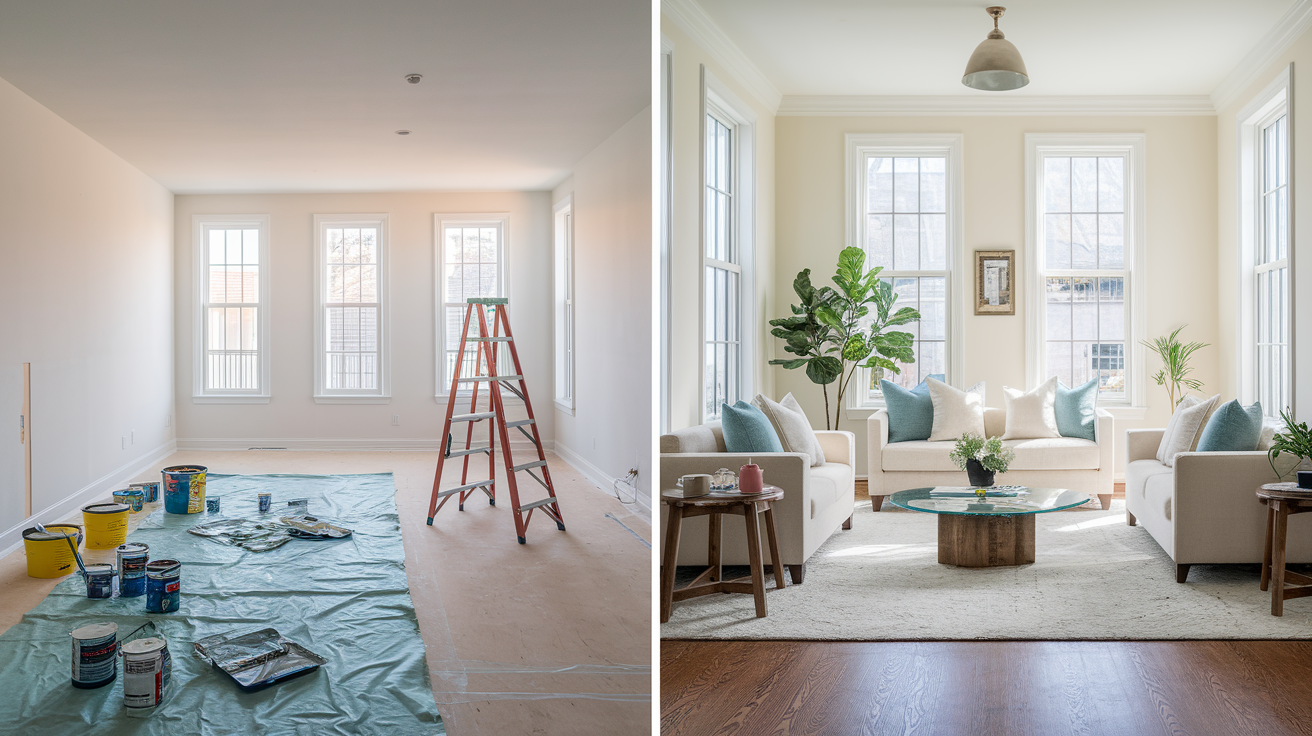
Before you move into your unit, walk through both sides and make a punch list of repairs, cleaning, safety updates. Replace locks on all exterior doors, test smoke and carbon monoxide detectors, confirm that GFCI outlets in kitchens and bathrooms work. If your unit needs paint, new flooring, or appliance upgrades, handle those projects before moving in your furniture. Completing repairs upfront means you’re not living in a construction zone and gives you a cleaner baseline when you start managing the tenant side.
For the rental unit, bring it to a rent-ready condition. The unit’s clean, all appliances function, plumbing and electrical meet code, cosmetic issues like holes in walls or stained carpet are fixed. Take photos of the rental unit’s condition before showing it to prospects. Those photos protect you during move-out inspections and help set expectations with tenants. If the previous tenant’s still in place, review their lease and confirm they’re paying on time. If the unit’s vacant, list it immediately to minimize lost rent.
Timing matters. If you close mid-month and the rental unit’s vacant, you’ll carry the full mortgage payment until a tenant moves in. Plan your closing date and marketing timeline to reduce vacancy. Some buyers negotiate with the seller to keep an existing tenant in place through closing so rental income starts on day one. Just make sure you’ve reviewed that tenant’s lease, rent amount, payment history during due diligence so you’re not inheriting a problem.
Tenant Screening and Leasing Basics
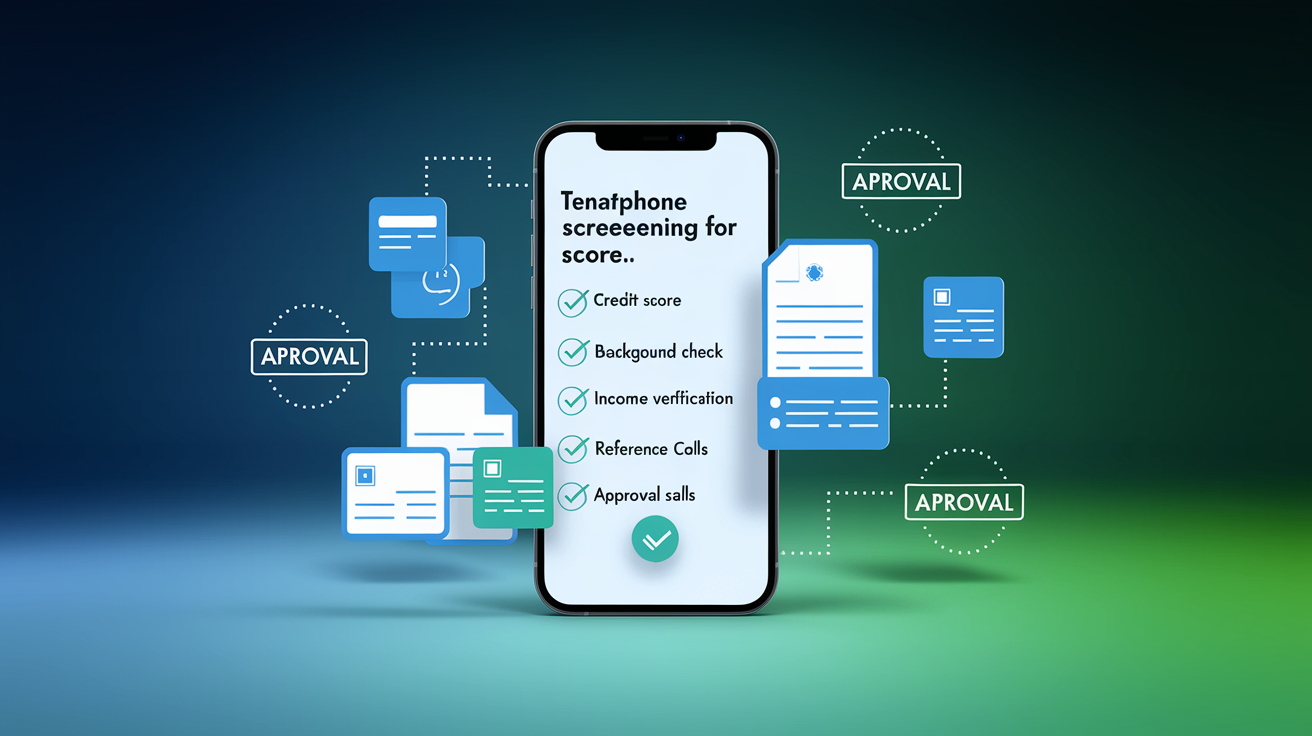
Good tenant selection is the most important management decision you’ll make. Start by advertising the rental unit on Zillow, Apartments.com, Facebook Marketplace, Craigslist. Include clear photos, an accurate description, rent amount, deposit requirements, lease start date. Respond quickly to inquiries and schedule showings in short windows to avoid spending all day on individual tours. Collect a completed rental application from every serious prospect: employment history, income, previous landlords, permission to run credit and background checks.
Screen every applicant using the same criteria. A common standard is monthly income at least three times the rent, credit score above 600, no recent evictions, positive references from the past two landlords. Run a criminal background check and a national eviction database search. Call previous landlords and ask whether the applicant paid rent on time, caused property damage, violated lease terms. Don’t skip reference calls. Landlords sometimes give honest feedback over the phone that they won’t put in writing.
Six-step tenant screening process:
- Collect completed application: Require full name, current address, employment, income, previous landlords. Charge a nonrefundable application fee to cover screening costs.
- Verify income: Request recent pay stubs or tax returns. Confirm monthly income’s at least three times the rent.
- Run credit report: Look for payment history, collections, credit score. Scores under 600 signal higher risk.
- Check criminal background: Review for felonies or patterns of violent or property crime. Apply consistent criteria to avoid fair housing violations.
- Search eviction records: Use a national eviction database. Recent evictions are a red flag for nonpayment or lease violations.
- Call previous landlords: Ask about on-time payments, property care, lease compliance, whether they’d rent to the applicant again.
Once you select a tenant, provide a written lease that complies with your state’s landlord-tenant laws. Include rent amount, due date, late fees, security deposit terms, maintenance responsibilities, pet policies, lease duration. Both you and the tenant sign the lease. Collect first month’s rent and security deposit before handing over keys. Require the tenant to purchase renter’s insurance and provide proof of coverage. Document the unit’s condition with a move-in checklist and photos, signed by both parties, to avoid disputes when the lease ends.
Managing a Duplex While Living On‑Site
Living next door to your tenant gives you faster response times and more control, but it also requires clear boundaries. Set expectations early. Communicate through text or email for maintenance requests instead of knocking on each other’s doors. Enforce lease terms consistently, even when it feels awkward. If rent’s due on the first and late fees start on the sixth, apply that rule every month. Letting small violations slide because you share a driveway creates bigger problems later.
Respond to maintenance requests promptly, but don’t let tenants treat you like an on-call handyman. Establish office hours or a response window, like “I’ll reply to non-emergency requests within 24 hours.” For after-hours emergencies like burst pipes or no heat in winter, provide a direct contact method. Keep a list of trusted contractors for repairs you can’t handle yourself. Living on-site means you’ll notice issues sooner, which prevents small problems from becoming expensive damage.
Track all income and expenses from day one. Deposit rental income into a separate bank account, not your personal checking. Use simple property management software like Baselane, Stessa, or a spreadsheet to log rent payments, maintenance costs, reserve contributions. Set aside at least 1 percent of the property’s value per year for maintenance and repairs. Build a cash reserve equal to three months of operating expenses. If the tenant moves out or rent’s late, that reserve keeps you from scrambling to cover the mortgage out of pocket.
Legal and Local Regulation Considerations
Landlord-tenant laws vary widely by state and city. Research your area’s rules on security deposit limits, required disclosures, eviction procedures, habitability standards before you sign a lease. Some cities require landlords to register rental properties, pass periodic inspections, or obtain a business license. Failing to comply can result in fines or an inability to evict a non-paying tenant. Check your local government’s website or consult a landlord-attorney to confirm what’s required.
Fair housing laws prohibit discrimination based on race, color, religion, national origin, sex, disability, familial status. Apply the same screening criteria to every applicant and document your decision-making. Don’t ask questions about protected classes during showings or application review. If you reject an applicant, provide an adverse action notice that explains the reason, like insufficient income or a failed background check. Consistent, documented processes protect you from fair housing complaints.
Five key legal requirements for duplex landlords:
- Security deposit limits and return timelines: Most states cap deposits at one to two months’ rent and require itemized return within 14 to 30 days after move-out.
- Habitability and maintenance obligations: Landlords must provide working heat, plumbing, electrical, weatherproof structure. Local codes define minimum standards.
- Eviction procedures: You can’t lock out a tenant or shut off utilities. Follow your state’s legal eviction process, which typically requires written notice and a court hearing.
- Lease disclosures: Many states mandate disclosures about lead paint, mold, bed bugs, past flooding. Include required language in your lease.
- Rental registration and inspection: Some cities require landlords to register properties, pass safety inspections, renew permits annually. Check local ordinances.
Tax Benefits of Duplex House Hacking
Owning and renting part of a duplex unlocks several tax advantages. You can depreciate the rental portion of the property over 27.5 years, which creates a paper loss that offsets rental income. If half the duplex’s rented, you depreciate half the building’s value (not the land). For example, if the structure’s worth 200,000 dollars, you depreciate 100,000 dollars (the rental half) at roughly 3,636 dollars per year. That depreciation reduces your taxable rental income even when you’re cash-flowing.
You can also deduct rental expenses proportional to the rented unit. Mortgage interest, property taxes, insurance, repairs, maintenance tied to the rental side are deductible. If you pay for utilities or services that benefit both units, like landscaping or trash pickup, you deduct the rental portion. Keep detailed records separating owner-occupied and rental expenses. A tax professional familiar with real estate can help you allocate costs correctly and maximize deductions without triggering an audit.
When you eventually sell the duplex, the owner-occupied portion might qualify for the primary residence capital gains exclusion (up to 250,000 dollars for single filers, 500,000 dollars for married couples if you lived there two of the past five years). The rental portion’s subject to capital gains tax and depreciation recapture. Some investors avoid that tax hit by converting the duplex to a full rental, then executing a 1031 exchange into a larger property. That defers taxes and scales your portfolio, but requires careful timing and professional guidance. Always consult a CPA or tax advisor before making tax-driven decisions.
Final Words
You jumped straight into the process: what duplex house hacking is, how to set search and financing criteria, run the numbers, make an offer, inspect, close, prep a move‑in, screen tenants, and manage while handling legal and tax steps.
If you want a simple plan, follow the quick screens and checklists here before you bid or sign.
Use this guide on how to house hack a duplex step by step as your roadmap, run the numbers conservatively, and start small. You’ve got a clear path and you can take the first viewing this week.
FAQ
Q: Can you house hack with a duplex?
A: You can house hack with a duplex by living in one unit and renting the other, cutting or eliminating your housing cost and accessing owner-occupied loans with lower down payments.
Q: What is the 1% rule for duplexes?
A: The 1% rule for duplexes says monthly rent should be about 1% of the purchase price as a quick cash-flow screen, but it’s just a rough rule and depends on local market costs.
Q: What is the 3 3 3 rule in real estate?
A: The 3 3 3 rule in real estate is a simple reserves guideline: keep three months of mortgage, three months of operating expenses, and plan for about three months to re-rent a vacant unit.
Q: How to house hack step by step?
A: To house hack, find a duplex, run rent comps and cash‑flow math, secure owner-occupied financing, inspect the property, live in one unit, set fair rent, screen tenants, and budget reserves.