
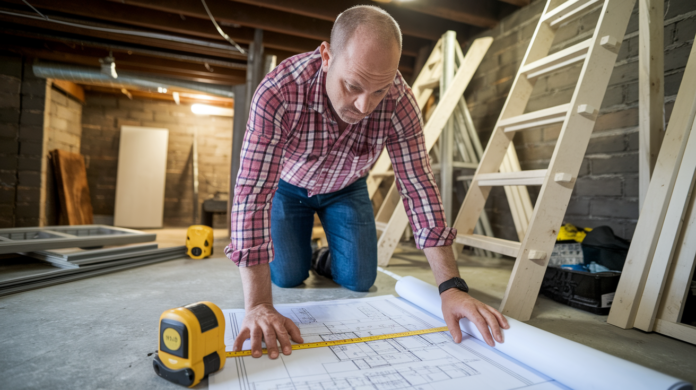
Think you need six figures to house hack? Think again.
With under $50,000 in targeted renovation, you can create real monthly income that pays back in a few years.
Focus on converting dead space—basement, garage, spare room—or building a micro-ADU.
Pick projects where renovation costs stay below the extra rent they produce.
This post gives practical strategies, rough costs, typical rents, and quick screens so you can spot deals that repay in about 2 to 4 years.
No fluff—just clear steps to turn unused square footage into cash flow while you still live there.
Core Low-Budget House Hacking Strategies Under $50k
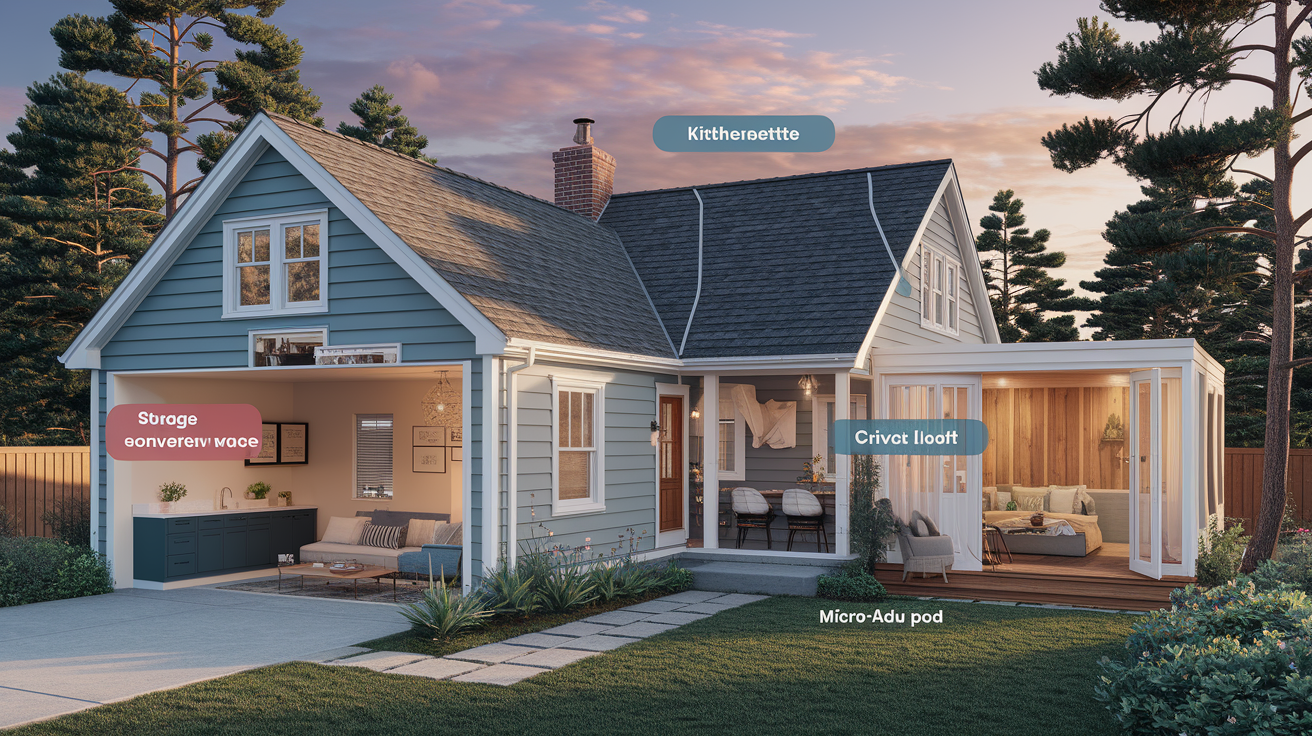
House hacking under $50,000 works because the right project pays for itself in 24 to 48 months. You’re trying to spend less on the renovation than you’ll earn back in rent, keeping the whole thing below $50,000 while still adding real monthly income. Most people doing this focus on converting existing space: basements, garages, spare bedrooms. Or they build small accessory units that don’t require much new square footage.
The returns come from a simple fact. You’re turning dead or underused space into monthly cash flow without buying a second property. A finished basement that costs $30,000 and rents for $1,000 per month generates $12,000 annually before expenses. Even after deducting 30 to 40 percent for taxes, maintenance, vacancy, and utilities, the net income of $7,200 to $8,400 per year means you’ll recover your initial investment in roughly four years. After that, it’s nearly pure cash flow that offsets your mortgage or funds your next investment.
The following six approaches represent the most repeatable, budget-friendly ways to create rental income while living in your property:
- Basement conversion to legal rental unit. Typical cost: $20,000 to $40,000. Monthly rent: $700 to $1,400 depending on market. Payback period: 2 to 4 years.
- Garage conversion into studio or ADU. Typical cost: $25,000 to $50,000. Monthly rent: $900 to $1,800. Payback period: 2 to 5 years.
- Spare bedroom rental with privacy upgrades. Typical cost: $500 to $5,000. Monthly rent: $400 to $900. Payback period: 6 to 18 months.
- Interior partition to create duplex or mother-in-law suite. Typical cost: $10,000 to $35,000. Monthly rent: $800 to $1,600. Payback period: 1 to 3 years.
- Micro-ADU or backyard shed conversion. Typical cost: $15,000 to $45,000. Monthly rent: $700 to $1,500. Payback period: 2 to 4 years.
- Attic conversion into small studio or loft. Typical cost: $12,000 to $35,000. Monthly rent: $600 to $1,200. Payback period: 2 to 4 years.
Basement Conversion Costs, ROI, and Practical Steps
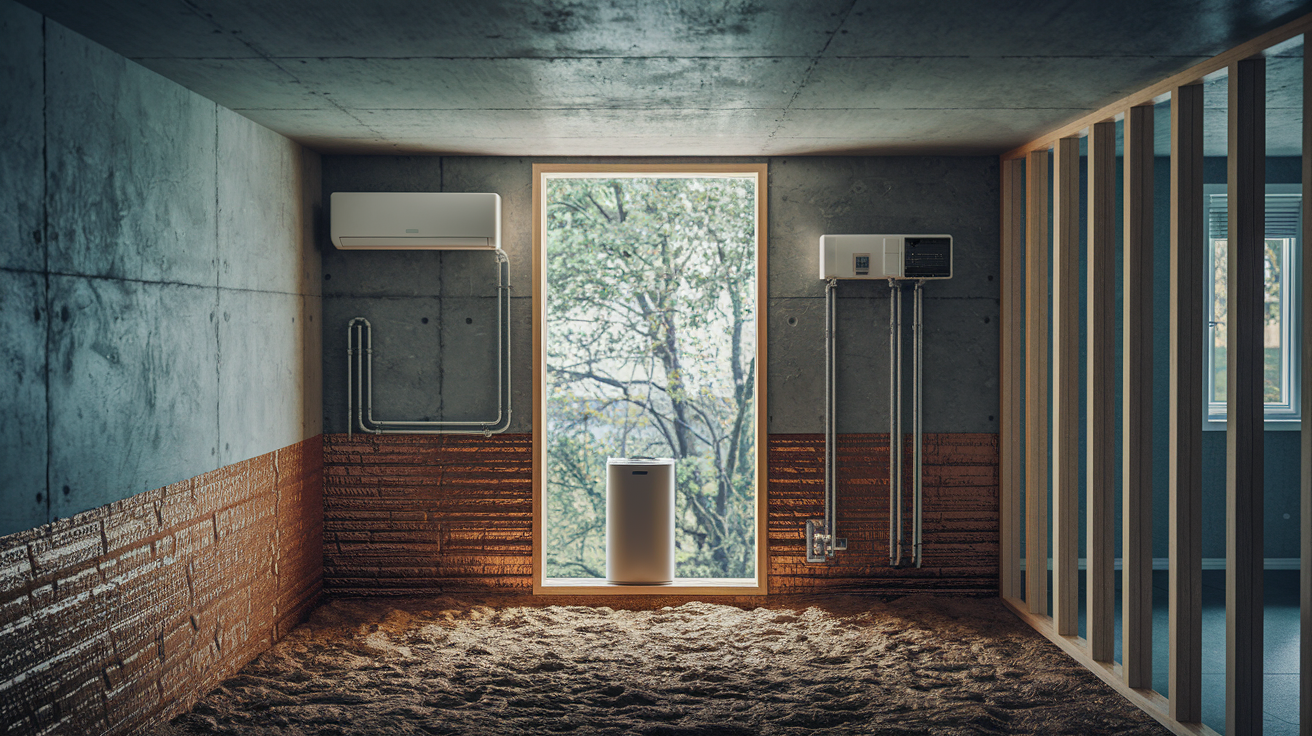
Basement conversions offer one of the highest ROI paths for house hackers because you’re working within an existing footprint. The typical project costs between $20,000 and $45,000 depending on whether you add a full bathroom and kitchenette or simply create a legal bedroom with shared upstairs facilities. Expected rent ranges from $700 per month in affordable secondary markets to $1,600 in competitive metros. A $30,000 basement that rents for $1,200 monthly will gross $14,400 annually. After 35 percent operating expenses (taxes, vacancy, utilities, maintenance), net annual income lands around $9,360, which translates to a payback period of just over three years.
The biggest challenge in basement conversions is moisture and egress. Most municipalities require at least one egress window in any sleeping room, and that window has to meet minimum size standards (typically 5.7 square feet of opening). Installing an egress window in a poured foundation costs $2,000 to $6,000, but it’s not optional for legal occupancy. Ceiling height also matters. Codes commonly require 7 feet minimum in habitable rooms. If your basement sits at 6 feet 8 inches, you may need to excavate or accept that only certain areas can be finished.
Here are five practical steps to complete a basement conversion on budget:
- Waterproof and grade drainage first. Install interior French drains or sump pump if needed. Seal foundation cracks. Add gutters and slope exterior grade away from walls. Budget $1,500 to $8,000 depending on severity.
- Frame walls and install egress. Build stud walls, add insulation (R-13 minimum), cut and install egress window. Budget $5,000 to $12,000 including window well and structural support.
- Rough-in electrical, plumbing, HVAC. Run new circuits for bedroom and bathroom. Extend plumbing from main stack. Add HVAC register or mini-split. Budget $5,000 to $12,000 for all trades.
- Install bathroom and kitchenette fixtures. Use compact tub/shower, vanity, toilet. Add bar sink and mini-fridge if kitchenette is required. Budget $3,000 to $8,000.
- Finish surfaces and pass inspection. Hang drywall, paint, install laminate or vinyl plank flooring, add lighting and locks. Schedule final electrical and building inspection. Budget $3,000 to $7,000.
Affordable Garage Conversion for Rental Income
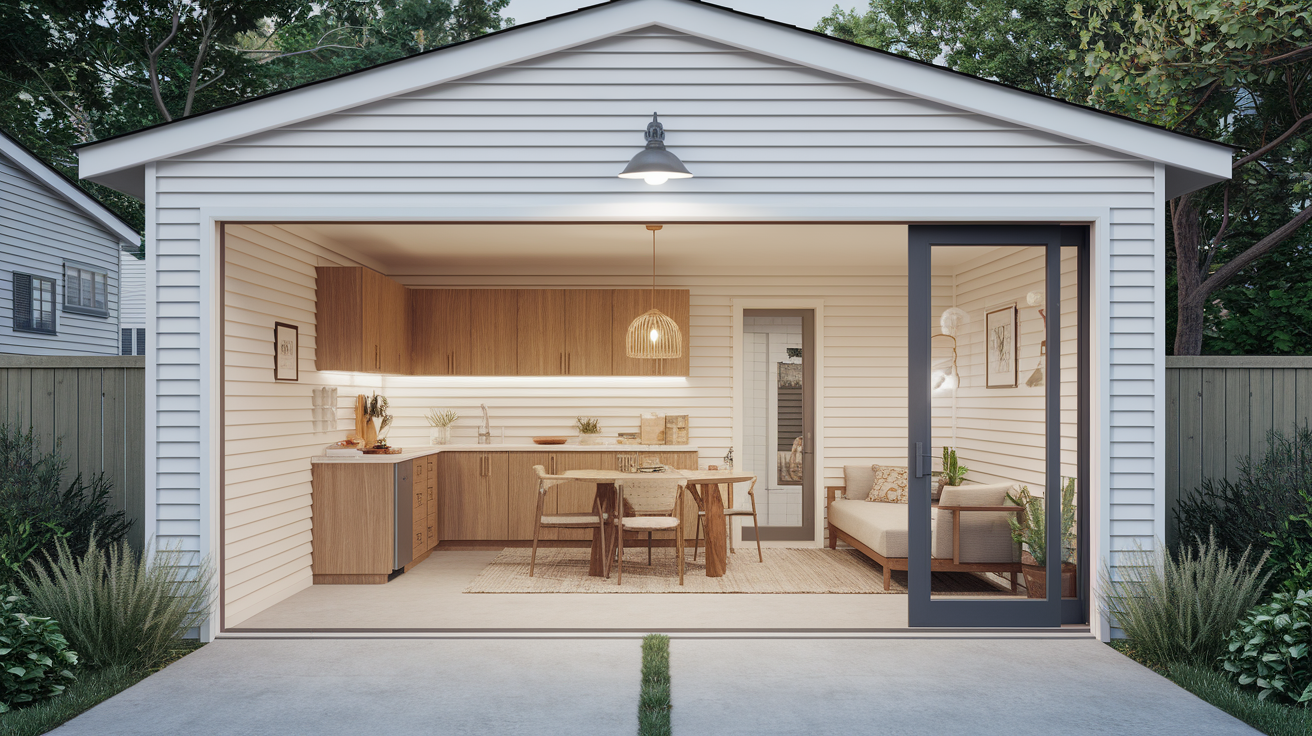
Garage conversions consistently produce monthly rent above $900 in urban and suburban markets, making them a strong option when you have a detached or attached garage that isn’t essential for parking. The all-in cost usually falls between $25,000 and $50,000, depending on whether you need to pour a new foundation slab, upgrade the electrical panel, or add plumbing from scratch. If the garage already has a concrete slab, insulated walls, and nearby plumbing lines, you can stay closer to the $25,000 end. If you’re starting with a dirt floor and zero utilities, expect the higher range.
Insulation and climate control are the two biggest line items after structural work. Garages are rarely insulated to living standards, so plan to add R-13 or R-15 batts in walls and R-30 in the ceiling. That upgrade alone costs $1,500 to $4,000 depending on square footage. Heating and cooling options include extending your existing forced-air system (if capacity allows) or installing a ductless mini-split, which typically runs $2,500 to $5,000 installed. The mini-split is often the smarter choice because it doesn’t strain your main HVAC and gives the tenant independent control.
The bathroom is your next major cost driver. If your garage shares a wall with your house and there’s a bathroom on the other side, you can sometimes tap into existing plumbing for $3,000 to $6,000. If you’re running new sewer and water lines across the yard, add another $2,000 to $5,000 for trenching and connections. A basic three-piece bathroom (toilet, shower, vanity) with budget fixtures costs $4,000 to $8,000 installed, including tile and drywall.
Electrical upgrades depend on your panel capacity and distance. A detached garage may need a new subpanel and underground conduit run, which can add $2,000 to $4,000. At minimum, plan for dedicated circuits for bathroom, kitchen appliances, and general lighting. Budget $1,500 to $3,500 for electrical rough-in and finish. Once utilities are in place, flooring (luxury vinyl or laminate), paint, lighting, and trim typically cost another $2,000 to $5,000. Total timeline for a garage conversion runs 8 to 16 weeks including permits, with inspections adding 2 to 4 weeks depending on your municipality’s schedule.
Low-Cost Spare Room Rental Optimization
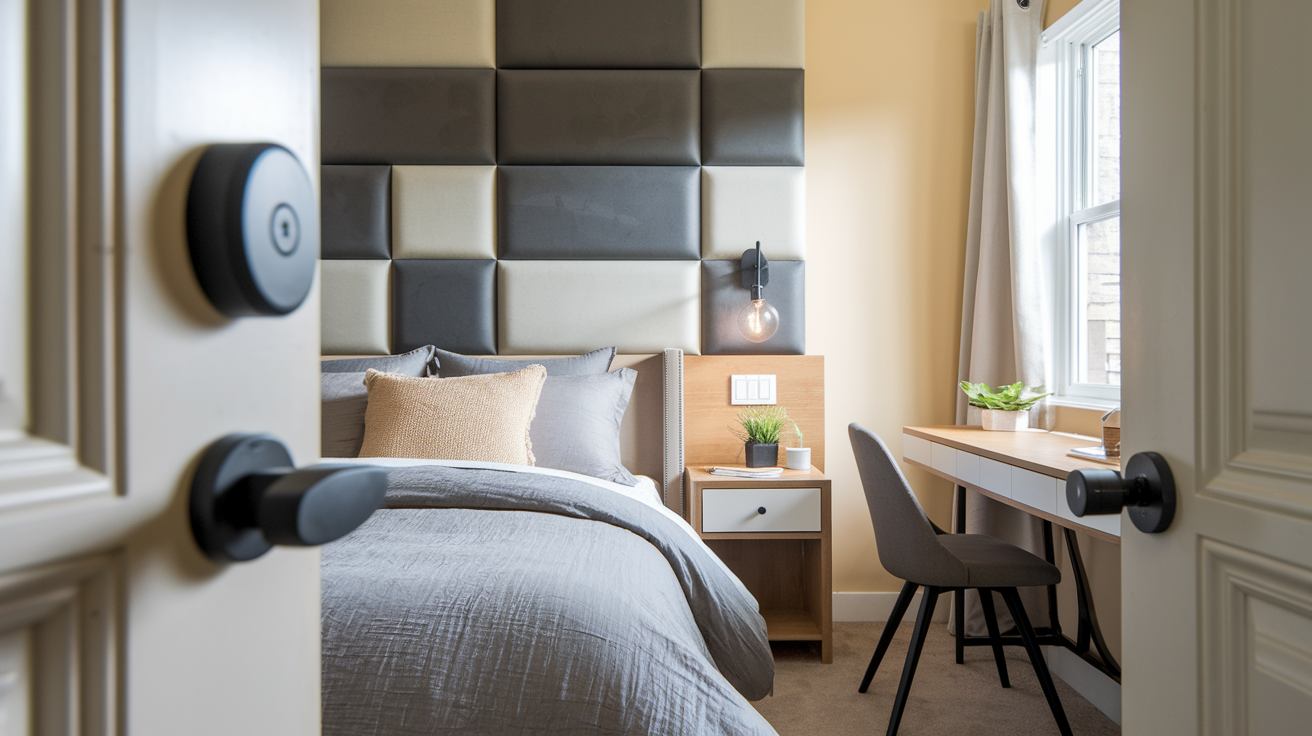
Renting out a spare bedroom is the lowest-cost entry into house hacking, often requiring just $500 to $5,000 in upgrades to create a private, rentable space. The ROI on spare-room conversions is unmatched because you’re not adding plumbing, electrical panels, or square footage. You’re simply making an existing room more appealing and functional for a paying tenant. Monthly rent typically ranges from $400 in small towns to $900 in competitive urban markets, and because your renovation costs are minimal, payback periods frequently land under 12 months.
The highest-impact upgrades focus on privacy, security, and comfort. Install a solid-core door with a keyed lock ($150 to $400) so the tenant has true privacy. Add a window treatment that blocks light and sound ($50 to $200). If the room shares a wall with common areas, consider basic soundproofing using resilient channel or additional drywall layers ($500 to $2,000). A ceiling fan improves comfort year-round and costs $100 to $300 installed. Fresh paint in a neutral color ($200 to $500 for DIY) and new flooring, especially if the current carpet is worn, add another $400 to $1,500 depending on material choice.
Furnishing the room is optional but increases your renter pool and justifies higher rent. A basic furnished package (bed frame, mattress, desk, chair, dresser, lamp) costs $800 to $2,500 if purchased new from budget retailers, or $300 to $1,000 if sourced secondhand. Many house hackers targeting travel nurses, corporate relocations, or students find that furnished rooms rent 15 to 30 percent higher than unfurnished equivalents and fill faster because tenants avoid moving costs.
High-impact upgrades for spare-room rentals include:
- Keyed privacy lock on bedroom door. Cost: $150 to $400. Impact: mandatory for tenant comfort and security.
- Soundproofing or noise-reduction materials. Cost: $500 to $2,000. Impact: reduces complaints and turnover in shared-living situations.
- Smart lock or keypad entry to bedroom. Cost: $100 to $300. Impact: eliminates key handoff and improves security.
- Mini-fridge and microwave in room. Cost: $200 to $500. Impact: reduces kitchen conflicts and attracts self-sufficient renters.
- Blackout curtains and ceiling fan. Cost: $150 to $500 combined. Impact: improves sleep quality and year-round comfort.
Mini-ADU and Micro-Unit Builds Under $50k

Micro-ADUs in the 150 to 300 square foot range represent the upper boundary of low-budget house hacking, with total costs typically landing between $35,000 and $50,000. These tiny units work best when you can use prefabricated shells, modular bathroom pods, or convert an existing shed or outbuilding rather than building from scratch. The advantage of micro-ADUs is rental income. Expect $700 to $1,500 per month depending on location and finish quality, combined with minimal ongoing maintenance since the units are small and purpose-built.
Prefab options are the most cost-effective route. Several manufacturers sell insulated, wired shells for $15,000 to $30,000 delivered, leaving you to finish the interior and connect utilities. If you go the stick-built route, expect framing, roofing, siding, and windows to consume $12,000 to $20,000 of your budget. Foundation work (pier and beam or slab) adds another $3,000 to $8,000. Electrical and plumbing hookups depend heavily on distance from your main house. Running underground conduit and sewer 50 feet can cost $4,000 to $10,000, while a unit placed directly adjacent to existing utility lines may only require $2,000 to $4,000 in connections.
| ADU Type | Typical Cost | Sq Ft Range | Expected Rent |
|---|---|---|---|
| Prefab shell + DIY finish | $25,000–$40,000 | 150–250 sq ft | $700–$1,200/month |
| Converted shed or garage | $15,000–$35,000 | 120–200 sq ft | $600–$1,100/month |
| Stick-built tiny ADU | $35,000–$50,000 | 200–300 sq ft | $900–$1,500/month |
| Interior micro-unit partition | $20,000–$45,000 | 250–400 sq ft | $800–$1,400/month |
Permits, Zoning, and Compliance for Low-Budget House Hacks
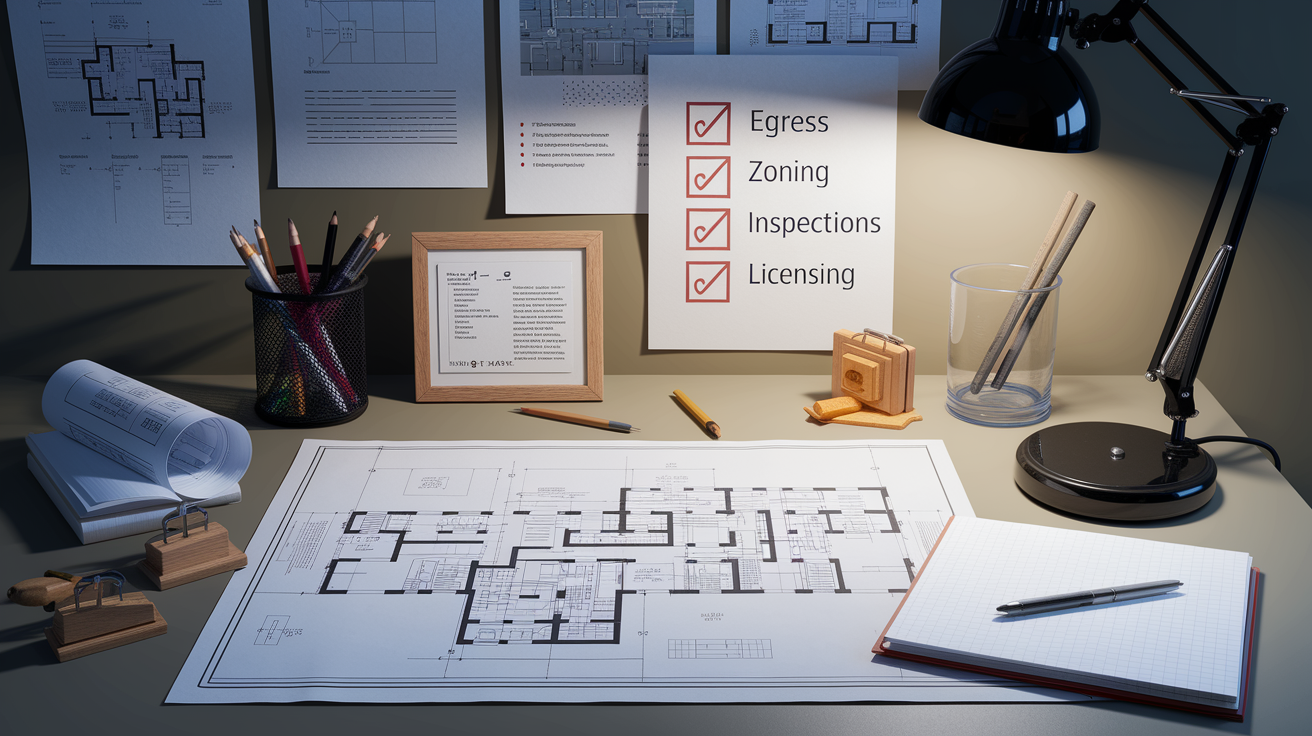
Permits and zoning compliance are not optional, even on tight budgets. Most municipalities require building permits for any work that adds habitable space, installs new plumbing or electrical circuits, or changes the structure of your home. Permit costs typically range from $300 to $2,000 depending on project scope and jurisdiction size. Inspection timelines add two to eight weeks to your schedule, so factor that into your project plan from day one. Skipping permits might save money upfront, but unpermitted work creates serious problems when you sell, refinance, or face a tenant injury lawsuit.
Zoning rules determine whether you can legally rent out your basement, ADU, or spare room. Some cities allow ADUs by right in all residential zones. Others cap the number of unrelated adults per household or require the owner to occupy the property. Check your local zoning code or call the planning department before you buy materials. If your city prohibits ADUs, you may be able to apply for a variance or conditional-use permit, but that process can take months and cost $500 to $3,000 in application fees.
Four key regulatory checkpoints to complete before starting work:
- Egress and life-safety requirements. Every bedroom needs a code-compliant egress window or door. Install smoke and carbon monoxide detectors per code. Ensure stairways have proper handrails and riser heights. Typical egress window cost: $2,000 to $6,000.
- Zoning verification and ADU rules. Confirm that your lot allows accessory units, multi-family conversion, or roommate rentals. Verify parking requirements (some cities require one space per unit). Obtain written confirmation from planning department. No cost for research, but variance applications run $500 to $3,000.
- Building, electrical, and plumbing inspections. Schedule rough-in inspections before closing walls. Arrange final inspection before tenant move-in. Expect 2 to 4 inspection visits and 1 to 3 week lead times per inspection. Total permit and inspection fees: $300 to $2,000.
- Rental licensing and short-term rental compliance. Some cities require landlord business licenses or rental property registration. Short-term rentals (under 30 days) often face stricter rules, occupancy taxes, and neighbor notification requirements. Fines for noncompliance can exceed $5,000 per violation. License fees: $50 to $500 annually.
DIY vs Contractor: Best Tasks to Save Money Under $50k
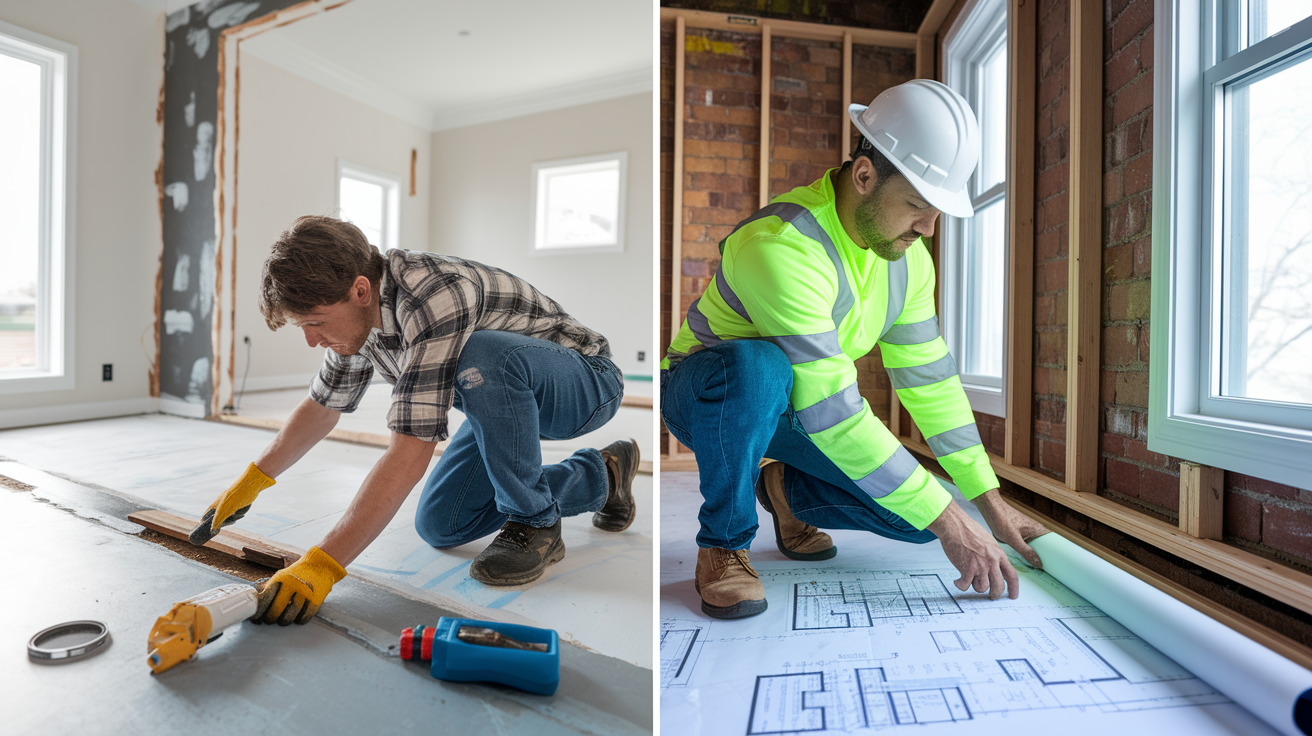
DIY labor can reduce total project costs by 20 to 40 percent, but only on tasks that don’t require licenses, specialized tools, or deep trade knowledge. The sweet spot for DIY work includes demolition, painting, trim carpentry, flooring installation, and fixture assembly. Jobs where mistakes are fixable and the learning curve is manageable. Leave electrical panel work, structural framing, plumbing rough-ins, and HVAC installations to licensed contractors. Those trades account for 30 to 50 percent of most renovation budgets, and doing them wrong creates safety hazards, failed inspections, and expensive re-work.
Contractors charge $40 to $100+ per hour depending on trade and market, plus 10 to 25 percent markup on materials. On a $30,000 basement conversion, labor might represent $12,000 to $18,000 of the total. If you can handle painting ($1,500 saved), flooring ($2,000 saved), and trim work ($1,000 saved), you’ve cut $4,500 from the budget without touching anything that requires a permit. That’s meaningful savings. But attempting to DIY electrical or plumbing work without proper knowledge often costs more in the long run when inspectors red-tag your work and you hire a contractor to fix it anyway.
| Tasks Recommended for DIY | Tasks Requiring a Contractor |
|---|---|
| Demolition and debris removal | Electrical panel upgrades and circuit additions |
| Interior painting and wall prep | Plumbing rough-in and sewer connections |
| Laminate or vinyl plank flooring installation | Structural framing and foundation work |
| Trim, baseboards, and door installation | HVAC installation and ductwork modifications |
| Cabinet assembly and fixture mounting | Gas line work and major appliance hookups |
Cost Breakdown: Where Your $50k Budget Should Go

A realistic $50,000 house-hack renovation should allocate the largest portions to structural and mechanical systems. The things tenants never see but that determine whether your unit is legal, safe, and livable. Cosmetic finishes matter for tenant appeal, but they come last. If you run out of budget before you finish painting, you can still rent the space. If you skip egress windows or proper electrical, you’ll fail inspection and face fines or liability when something goes wrong.
High-impact spending categories should follow this priority order: life safety and code compliance first, then plumbing and electrical rough-ins, followed by insulation and moisture control, and finally finishes like flooring, paint, and fixtures. On a typical $40,000 basement conversion, expect to spend $8,000 to $12,000 on rough mechanicals (electrical, plumbing, HVAC), $6,000 to $10,000 on framing and insulation, $4,000 to $8,000 on bathroom fixtures and finishes, $3,000 to $6,000 on flooring and paint, and $2,000 to $5,000 on egress windows, permits, and contingency. The remaining budget covers smaller items like locks, lighting, trim, and appliances.
Budget allocation guidelines for a $50,000 house-hack renovation:
- Permits, inspections, and contingency reserve. Allocate 10 to 15 percent ($5,000 to $7,500). Covers unexpected structural issues, permit fees, and final inspection corrections.
- Egress windows and life-safety upgrades. Allocate 8 to 12 percent ($4,000 to $6,000). Includes code-compliant windows, smoke/CO detectors, handrails, and emergency lighting.
- Electrical and plumbing rough-ins. Allocate 20 to 30 percent ($10,000 to $15,000). Covers panel upgrades, new circuits, bathroom plumbing, water heaters, and sewer connections.
- Framing, insulation, and moisture control. Allocate 15 to 20 percent ($7,500 to $10,000). Includes stud walls, drywall, vapor barriers, sump pumps, and waterproofing.
- HVAC and ventilation. Allocate 8 to 12 percent ($4,000 to $6,000). Mini-split systems, ductwork extensions, bathroom exhaust fans, and fresh-air intake.
- Bathroom and kitchenette fixtures. Allocate 12 to 18 percent ($6,000 to $9,000). Toilets, showers, sinks, vanities, mini-fridges, countertops, and cabinets.
- Flooring, paint, trim, and finishes. Allocate 10 to 15 percent ($5,000 to $7,500). Luxury vinyl plank, paint, baseboards, doors, lighting fixtures, and cabinet hardware.
Tenant Targeting for Small, Budget-Friendly Rental Spaces
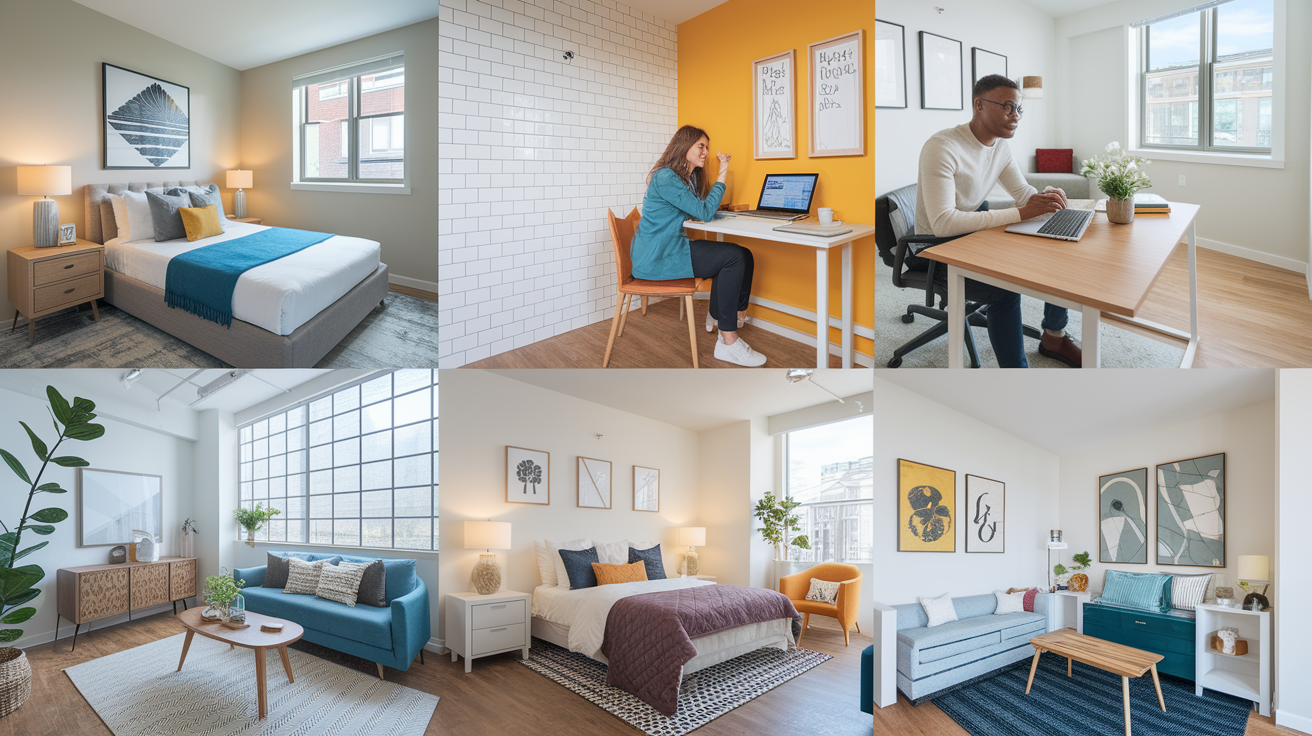
Small rental units attract specific tenant profiles who value affordability, location, and simplicity over square footage. Traveling professionals (nurses, consultants, construction managers) often need furnished, short-term housing near job sites and are willing to pay premium rents for move-in-ready spaces. Students and young professionals prioritize low rent and proximity to campus or work, making basement studios and garage apartments appealing. Seniors downsizing or transitioning between homes appreciate single-level, low-maintenance units. Remote workers who need quiet, private space but don’t require a full house also make excellent tenants for micro-ADUs and partitioned suites.
Understanding your target tenant shapes your renovation decisions. If you’re aiming for travel nurses, furnish the unit and include utilities in the rent. They’ll pay $200 to $400 more per month to avoid buying furniture and setting up accounts. If you’re targeting students, keep finishes simple and durable, skip the furnishings, and price competitively. Remote workers value fast Wi-Fi, good lighting, and soundproofing, so investing in those areas pays off in higher rent and longer tenancies.
Marketing small units requires emphasizing the benefits of compact living: lower utility bills, less cleaning, walkable locations, and private outdoor space if you have it. Highlight proximity to transit, hospitals, universities, or commercial districts depending on your tenant profile. Include clear photos of the bathroom, kitchenette, and sleeping area. Tenants want to see that the space is functional and clean, not just cute.
Key tenant expectations for small rental units:
- Privacy and separate entrance. Tenants will pay 15 to 25 percent more for a unit with its own exterior door and no shared hallways. Budget $500 to $2,500 to add or upgrade an entrance.
- Utilities included or separately metered. Decide whether to bundle utilities into rent (simplifies billing but reduces profit margin) or install separate meters (requires $800 to $3,000 upfront but allows cost pass-through).
- Dedicated parking space. Required in many suburban markets. Gravel or grass parking costs $200 to $800. Paved spot runs $1,500 to $4,000.
- Reliable Wi-Fi and strong cell signal. Remote workers and students won’t rent without it. If your main router doesn’t reach the unit, add a mesh extender ($100 to $300) or run ethernet ($200 to $800).
Final Words
Turn an unused basement, garage, or spare room into steady rent with a focused $8k–$50k plan. We covered basement and garage conversions, spare-room setups, micro-ADUs, permit checkpoints, DIY vs contractor tradeoffs, and where to spend your money for the best monthly return.
Do a quick screen (rent comps, rough rehab costs, payment) and then a deeper due diligence pass on moisture, egress, and wiring.
Use this guide to pick the best low budget house hacking ideas under $50k renovation for your property—start small, keep reserves, and you’ll be collecting rent sooner than you think.
FAQ
Q: What renovations can I do with $50K / How much remodeling can be done with $50,000?
A: Renovations you can do with $50K include converting a basement or garage to a rental, building a small ADU, a kitchen or bath refresh, or systems upgrades—most projects run $8k–$45k and can be income-producing.
Q: What devalues a house most?
A: Things that devalue a house most are chronic water or foundation problems, unpermitted work, heavy deferred maintenance, a poor layout, and neighborhood decline—buyers avoid high repair or safety risks first.
Q: What is the 30 rule in home renovation?
A: The 30 rule in home renovation means keeping renovation costs near or under 30% of the home’s value or purchase price to avoid over-improving; its usefulness depends on local market and resale or rental goals.