

Think the best apartment deals show up on Zillow?
Off-market multifamily properties (apartment buildings not listed publicly) never hit the MLS; they trade through brokers, direct owner outreach, auctions and quiet networks, which means less competition, more time to inspect, and better leverage at the negotiating table.
This post lays out smart acquisition tactics you can use right away, where to look, how to approach sellers and brokers, auction cautions, and a quick screen to separate real opportunities from time sinks.
Immediate Access to Off‑Market Multifamily Opportunities

Off‑market multifamily properties are apartment buildings that never show up on the MLS. No public listings. No Zillow. Just direct conversations, broker relationships, and quiet networks where a handful of investors see what’s actually for sale. You’re looking at tenant‑occupied rentals, foreclosures, auctioned buildings, and pocket listings the seller doesn’t want advertised.
Why bother? Because when a property isn’t blasted across the internet, you’re not fighting ten other buyers. Less pressure. More time to inspect. Better leverage at the negotiating table. And you can often work out terms that wouldn’t survive a bidding war.
You can find these deals right now through five channels:
- Off‑market property marketplaces that pull together foreclosures, quiet listings, and tenant‑occupied buildings. Set your filters (unit count, price, location) and you’ll get matches in minutes.
- Broker relationships and pocket listings where agents shop deals privately to buyers they trust before going wide.
- Direct owner outreach using public records, personalized letters, cold calls. You’re reaching people who haven’t decided to sell yet.
- Auction pipelines like probate, estate sales, foreclosures. These often skip traditional channels entirely.
- Contractor and property manager referrals from people who see owner burnout or deferred maintenance before anyone lists the building.
These aren’t theoretical. Every channel produces real opportunities when you work it consistently. The best results come from running multiple sourcing methods at once.
Core Benefits of Off‑Market Multifamily Property Acquisition

Reduced competition is the big one. When you’re not fighting ten offers, you control the pace. You can push for better terms, avoid bidding‑war pressure, and actually negotiate instead of just hoping your offer gets picked. Private sales also give you more time for due diligence. You can inspect units, review rent rolls, check deferred maintenance, stress‑test your cash flow assumptions. No ticking clock forcing you to waive contingencies.
Confidential transactions appeal to motivated sellers who want privacy or a quick exit. That often means pricing flexibility or creative structures that wouldn’t work in a public auction.
From an income perspective, off‑market deals let you focus on fundamentals before emotions kick in. Calculate cap rate. Model net operating income with realistic expenses. Verify rental comps. And walk away cleanly if the numbers don’t work. You’re also more likely to negotiate repairs, seller financing, or phased closings when the deal isn’t broadcast to the entire market.
Seller motivation matters here. Many owners face insurance rate spikes, deferred maintenance they can’t afford, refinance pressure, or simple fatigue from self‑managing tenants. They’d rather sell quietly to a credible buyer than hire a listing agent and wait months for closing.
Master Framework for Sourcing Off‑Market Multifamily Deals

Successful investors don’t rely on one channel. They build consistent routines that pull deal flow from multiple directions at once. Here’s the full roadmap so you can prioritize what fits your budget, time, and local market.
Nine primary sourcing channels:
- Networking with real estate professionals (brokers, appraisers, property managers, contractors, attorneys, CPAs, local investors, lenders).
- Real estate agents who specialize in multifamily and maintain off‑market deal lists.
- Print media and cold calling using owner contact data from public records.
- Public records research to identify distressed owners, tax delinquencies, recent estate transfers.
- Direct mail marketing campaigns with personalized letters sent to property owners.
- Real estate marketplaces and websites that aggregate off‑market inventory with search filters.
- Property contractors and builders who see maintenance problems firsthand and know when owners are ready to sell.
- Property auctions including foreclosure sales, probate auctions, estate liquidations.
- Real estate wholesalers who assign contracts on properties they’ve put under contract but don’t plan to close.
Direct‑to‑Seller Outreach
Cold calling and personalized letter campaigns work when done with discipline. Pull owner lists from county records, then personalize each mailer. Mention something specific: “I noticed your eight‑unit building on Maple Street” or “Your 1970s courtyard property caught my attention.” Include a timing prompt that lowers resistance. Try “Would you consider selling in the next 6 to 12 months?” instead of asking for an immediate decision.
Increase response rates by offering two reply options: a quick call or a text message. Many owners won’t pick up the phone but will reply to a text. When cold calling, keep it simple. Introduce yourself, mention you’re looking to buy multifamily buildings in their neighborhood, ask if they’ve thought about selling. If they say no, ask if you can check back in six months. Keep it conversational, not pushy.
Owner contact details (emails and phone numbers) are often available through public records or marketplace platforms. Having that info speeds up negotiation because you’re talking directly to the decision‑maker instead of waiting for a broker to relay messages. The faster you start a conversation, the more likely you’ll be first in line when the seller’s ready to move.
Broker & Pocket‑Listing Relationships
Brokers with off‑market focus maintain private networks and quietly shop deals to buyers they trust. To get access, you need to reduce friction and prove you’re serious. Send a one‑page buy box that clearly states your unit count range, target submarkets, preferred vintage or condition, value‑add versus stabilized preference, price range, deal breakers, timeline, financing plan, and team contacts. The more specific you are, the easier it is for a broker to match you with the right deal.
Respond to every opportunity within hours, even if it’s just a quick “not a fit” message. Brokers remember buyers who reply fast and give clear feedback. If you ghost them or take three days to respond, they’ll move on. Credibility signals matter: proof of funds, a lender letter, or a track record of closed deals all increase the likelihood a broker will bring you their best pocket listings.
Building these relationships takes time. Plan to have 5 to 10 broker conversations per week, either on the phone or at local networking events. The goal isn’t to chase every lead. It’s to stay top‑of‑mind so that when a quiet deal surfaces, your name comes up first.
Auctions, Distress, and Wholesaler Pipelines
Probate auctions, estate sales, and foreclosure events can yield deep discounts, but they come with higher risk. You’re often buying properties with title issues, deferred maintenance surprises, old roofs, outdated electrical systems, or prior insurance claims that complicate coverage. Post‑sale tax reassessments can also change your numbers quickly. If a deal only works with perfect assumptions, it’s not an auction deal. You need underwriting buffers built in.
Prepare by setting a walk‑away price before the auction starts, inspecting the property if access is allowed, and having a title company ready to clear any liens. Some foreclosure sales require all‑cash bids, so confirm financing terms in advance.
Wholesalers find distressed properties, negotiate a purchase contract, then assign that contract to an investor for a fee. The benefit is speed. Someone else has already done the initial prospecting. The downside is that the best wholesalers have buyer lists, and if you’re not on that list, you won’t see the deals. To get in, attend local real estate meetups, introduce yourself to wholesalers, and make it clear what you’re looking for. Be ready to move fast. Wholesale deals often have tight deadlines and limited inspection periods.
Using Data Platforms to Locate Off‑Market Multifamily Deals Efficiently

Database‑driven marketplaces solve the biggest inefficiency in off‑market sourcing: finding properties that match your buy criteria without manually searching public records or cold‑calling hundreds of owners. These platforms compile ownership data, hidden inventory, tenant‑occupied rentals, foreclosures, and quiet listings into one searchable interface. Set filters for unit count, net operating income targets, cap rate ranges, price limits, and submarket preferences. The platform returns matches within minutes. That’s faster than any manual process and gives you more time to focus on underwriting instead of hunting.
The advantage isn’t just speed. It’s consistency. When you rely on broker relationships alone, your deal flow depends on who calls you that week. A marketplace gives you active control over sourcing. You can run searches daily, set alerts for new listings, and track inventory trends over time. Some platforms also include owner contact details, which lets you reach out directly and start negotiation without waiting for a middleman.
| Feature | Benefit |
|---|---|
| Advanced filtering (unit count, price, NOI, cap rate) | Narrows results to only properties that match your investment criteria, saving hours of manual review |
| Real‑time inventory matching | Surfaces new off‑market opportunities as soon as they’re added, giving you first‑mover advantage |
| Off‑market categories (tenant‑occupied, foreclosures, pocket listings) | Aggregates hidden deal types that rarely appear on public listing sites |
Not every platform offers true off‑market inventory. Some label pre‑foreclosure or early‑stage listings as “off‑market” when they’re just not on the MLS yet. The best platforms provide genuine access to properties that haven’t been publicly marketed and include enough detail to begin underwriting immediately.
How to Analyze Off‑Market Multifamily Deals Before Making an Offer

Off‑market deals move fast, so you need a repeatable underwriting process that produces answers quickly. The moment you get property details (address, unit count, current rents, rough expenses), you should be able to run a first‑pass analysis within a few hours. That analysis tells you whether it’s worth deeper diligence or if you can move on.
Core deal metrics start with net operating income (NOI), which is rental income minus operating expenses. From NOI, you calculate cap rate by dividing NOI by purchase price. Then you model cash flow after debt service, factoring in realistic vacancy assumptions, property management fees, maintenance reserves, insurance, and taxes. The rent roll tells you current occupancy and lease terms, but you need to verify those numbers. Some sellers hand over optimistic rent rolls that don’t match actual deposits. Realistic expense assumptions matter more than anything else because underestimating costs is how deals go sideways.
Investment property calculators help standardize this process. Look for tools that provide:
- Rental comps so you can verify current rents match the local market and estimate upside from unit renovations or better management.
- ROI outputs including cash flow, cap rate, and cash‑on‑cash return, calculated using your actual down payment and financing terms.
- Scenario comparisons that let you model different rental strategies (traditional long‑term leases versus furnished mid‑term rentals or short‑term strategies) so you can see which approach delivers the best return.
- PDF export capability to create a clean analysis report you can share with partners, lenders, or advisors without rebuilding spreadsheets.
Comparing your subject property’s projected returns to local comps prevents overpaying. If similar buildings in the neighborhood trade at a 6 percent cap rate and your deal only pencils at 4 percent, you’re either paying too much or your expense assumptions are wrong. Walk away or renegotiate. Off‑market doesn’t mean you ignore market reality.
Negotiating and Closing Off‑Market Multifamily Agreements

Credibility signals win off‑market negotiations before price discussions even start. Proof of funds (a bank statement or a letter from your lender showing you can close) immediately separates serious buyers from tire‑kickers. Sellers who are quietly marketing a property don’t want to waste time on buyers who might not be able to perform. If you’ve closed multifamily deals before, mention that in your first conversation. If you’re working with an experienced lender or can close all‑cash, lead with that.
Off‑market transactions often begin with a letter of intent (LOI) before a full purchase agreement. The LOI outlines price, earnest money deposit, inspection period, financing contingencies, and closing timeline. It’s non‑binding in most cases, but it signals intent and starts the negotiation process. Some sellers also require a non‑disclosure agreement (NDA) before sharing financials, rent rolls, or tenant details. Sign it. Refusing an NDA over a legitimate deal makes you look difficult.
Earnest money deposits in off‑market deals typically range from 1 to 3 percent of the purchase price, though motivated sellers may accept less if you’re offering speed or certainty. Negotiating contract terms is where off‑market deals shine. You can often secure longer inspection periods, seller‑financed repairs, or phased closings that wouldn’t fly in a competitive MLS environment. If the property needs a new roof and the seller doesn’t want to handle it, negotiate a credit at closing or an escrow holdback instead of killing the deal.
Off‑market closings offer more timeline control. There’s no listing agent pushing for a 30‑day close to earn their commission, so you can structure the timeline around your financing, inspection schedule, or even the seller’s move‑out needs. Flexibility here can be the difference between winning the deal and losing it to another buyer. If a seller needs 60 days to relocate, offering that timeline costs you nothing and builds goodwill that pays off in final price negotiations.
Financial Structures for Funding Off‑Market Multifamily Purchases
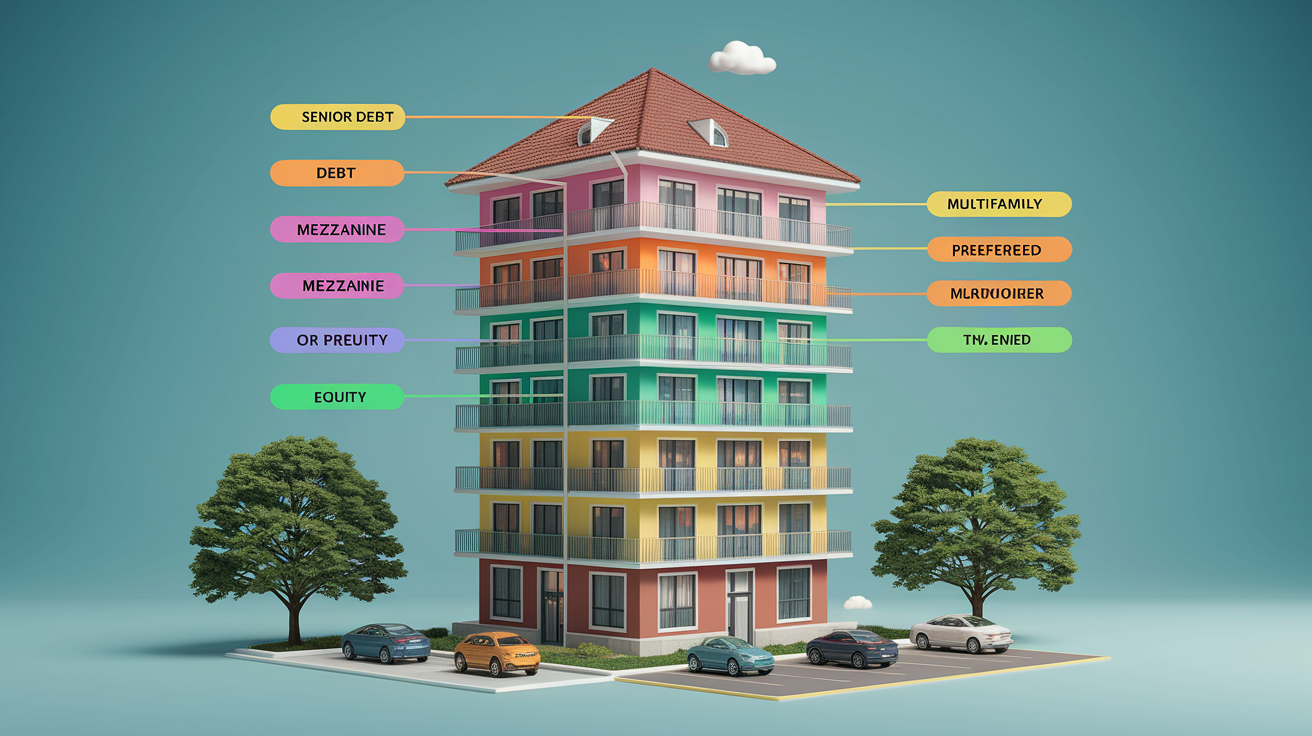
Flexible funding structures give you more negotiating power in off‑market deals because you can adapt your financing to fit the seller’s situation or the property’s condition. A seller facing refinance pressure might prefer fast cash over a higher price with financing contingencies. A property with deferred maintenance might need bridge financing so you can close quickly, then refinance after renovations stabilize income.
Common financing vehicles:
- Conventional loans with 20 to 25 percent down, best for stabilized properties with clean financials and reliable rent rolls.
- Bridge loans for short‑term acquisition and repositioning, typically 12 to 24 months, used when a property needs immediate work before qualifying for permanent financing.
- Hard money for fast closings and properties that don’t meet conventional underwriting standards, with higher interest rates but more flexibility on condition and borrower qualifications.
- Seller financing where the seller carries a note for part or all of the purchase price, often at below‑market rates, useful when conventional lending is tight or the seller wants ongoing income.
- Mezzanine debt or preferred equity to fill the gap between senior debt and your cash, allowing you to preserve capital and increase leverage on larger deals.
All‑cash or quick‑close terms win deals with motivated sellers. If an owner is tired of managing tenants and wants out in two weeks, cash gets rid of appraisal delays, lender conditions, and financing risk. You don’t need to hold the property forever. Many investors close cash, stabilize operations, then refinance into permanent debt and pull their capital back out. Seller‑carried notes become more common in tighter credit markets because they bridge pricing gaps and underwriting mismatches. If a bank won’t lend because the property’s financials are messy, a seller note lets the deal happen anyway.
Due Diligence Essentials for Off‑Market Multifamily Buildings

Off‑market properties carry higher risk of undisclosed problems because they’re not being packaged and prepped for public sale. Sellers aren’t required to provide the same disclosures as MLS listings, and some will hand over incomplete documentation or avoid mentioning deferred maintenance. Your inspection needs to be more thorough, not less, even if the deal feels urgent.
Verifying tenant data and operating expenses is just as important as the physical inspection. Rent rolls should match lease agreements. Lease agreements should match actual deposits. Walk every unit if possible, talk to tenants if allowed, and check for unreported issues like water damage, pest problems, or tenant disputes. Operating expense reports from the seller need to be cross‑checked against tax records, utility bills, insurance statements, and vendor invoices. Some sellers understate expenses to make the NOI look better.
Six due diligence must‑check items before closing:
- Leases and rent rolls: Verify every tenant’s lease term, rent amount, security deposit, and payment history. Confirm no undisclosed concessions or side agreements.
- Deferred maintenance and capital repairs: Inspect roof age, HVAC systems, plumbing, electrical panels, foundation, and building envelope. Get contractor estimates for any repairs.
- Title review and lien search: Confirm clear title, no unpaid property taxes, no mechanic’s liens, and no undisclosed easements or encumbrances.
- Operating expense verification: Match seller‑provided expense reports to actual invoices for utilities, insurance, property management, landscaping, trash, and repairs.
- Insurance claim history: Request a CLUE report or ask the seller’s insurance carrier for prior claims. Properties with multiple claims may face higher premiums or coverage denials.
- Local rent comps and market conditions: Verify current rents match neighborhood comps and confirm demand for units of that size, type, and condition.
If the seller refuses to provide documentation or limits your inspection access, that’s a red flag. Walk away or demand a significant price discount to compensate for the added risk. Off‑market doesn’t mean you skip diligence. It means you need to dig deeper because no one else has vetted the deal yet.
Portfolio Growth Through Off‑Market Multifamily Acquisitions

Off‑market deals support long‑term portfolio scaling because they let you buy units most investors never see. That consistent access compounds over time. When you’re not competing in bidding wars, you preserve capital, maintain discipline on pricing, and avoid overpaying during market peaks. The result is a portfolio of multifamily investment properties acquired at better basis, with stronger cash flow fundamentals, and more room for value‑add strategies that increase equity and passive income.
Diversification also improves when you’re sourcing off‑market. You’re not limited to what’s listed in one city or one price range. You can target specific submarkets, property types, or value‑add opportunities that match your investment strategies and risk tolerance. Over time, that gives you exposure to different tenant demographics, rent growth patterns, and market cycles, which smooths out volatility and protects against localized downturns.
Building a consistent pipeline requires a weekly lead‑generation routine:
- 5 to 10 broker or property manager conversations per week to stay top‑of‑mind and hear about new opportunities before they’re widely marketed.
- 25 to 100 direct outreach touches per week including cold calls, personalized mailers, text messages, and emails to property owners in your target markets.
- Review new marketplace leads within 24 hours and follow up on every warm lead with a response cadence: same day, 48 hours, then weekly until the seller makes a decision.
Consistent sourcing compounds wealth building because every deal you analyze sharpens your underwriting skills, expands your network, and increases the odds you’ll be in the right place when a great opportunity surfaces. The investors who scale fastest aren’t the ones who wait for perfect deals. They’re the ones who work multiple channels every week and move quickly when the numbers align.
Final Words
Find deals right away. This post showed where to look, marketplaces, brokers, owner outreach, auctions, contractors, and how a nine-channel sourcing system plus tech filters can surface matches fast.
You also saw the main benefits, like less competition, more negotiation leverage, and room to underwrite without pressure. We covered quick screens, due diligence, negotiation, and closing steps.
Use the outreach rhythm, data platforms, and funding options we covered. Start small, run quick screens, and pressure-test worst-case repairs. Off-market multifamily properties for sale are out there, and steady sourcing pays off.
FAQ
Q: What are off-market multifamily properties?
A: Off-market multifamily properties are apartment buildings and multi-unit rentals sold privately without being listed on the MLS or public real estate platforms. These properties include tenant-occupied buildings, pocket listings, foreclosures, and quiet sales that never reach traditional listing channels, giving buyers access to inventory most investors never see.
Q: Why do investors look for off-market multifamily deals?
A: Investors look for off-market multifamily deals because they face less competition, gain more negotiation leverage, and get extra time for due diligence. Private sales often involve motivated sellers willing to negotiate flexible terms, allowing buyers to secure better pricing and avoid bidding wars common with publicly listed properties.
Q: Where can I find off-market multifamily properties for sale?
A: You can find off-market multifamily properties through specialized marketplaces, direct broker relationships, owner outreach campaigns, foreclosure and auction pipelines, and referrals from property managers or contractors. Many investors combine multiple channels, including cold calling, direct mail, networking events, and wholesaler pipelines, to build consistent deal flow.
Q: How do I analyze an off-market multifamily deal before making an offer?
A: To analyze an off-market multifamily deal, calculate net operating income, review the rent roll, estimate realistic operating expenses, and compare cap rates with local market comps. Use deal analysis tools to model cash flow, cash-on-cash return, and worst-case vacancy scenarios before submitting your offer to avoid overpaying.
Q: What financing options work best for off-market multifamily purchases?
A: Off-market multifamily purchases commonly use conventional loans, bridge loans, hard money, seller financing, or all-cash offers. Seller financing becomes more accessible in private sales, and cash or quick-close terms often win deals with motivated sellers who value speed and certainty over maximum price.
Q: What due diligence is required for off-market multifamily buildings?
A: Due diligence for off-market multifamily buildings includes inspecting deferred maintenance, verifying rent rolls and lease agreements, reviewing operating expenses, checking title history, and assessing major systems like roofs and electrical. Off-market deals may have incomplete documentation or undisclosed repair needs, so thorough verification protects against costly surprises.
Q: How do I negotiate an off-market multifamily deal?
A: To negotiate an off-market multifamily deal, provide proof of funds or a lender letter to build seller trust, use a letter of intent to outline basic terms, and request an NDA for sensitive property information. Off-market negotiations often allow more flexibility on timelines, earnest money, and condition negotiations than traditional MLS transactions.
Q: How does direct mail work for sourcing off-market multifamily properties?
A: Direct mail for sourcing off-market multifamily properties works by sending personalized letters to property owners mentioning specific property features and prompting timing like “considering selling in six to twelve months.” Effectiveness increases when you include text-response options and follow up with phone calls to start private conversations with owners.
Q: Can data platforms help me find off-market multifamily deals?
A: Data platforms help you find off-market multifamily deals by using search filters for unit count, NOI targets, cap rate ranges, and price limits to match hidden inventory to your criteria. These platforms compile ownership data and off-market categories like tenant-occupied rentals and foreclosures, delivering results within minutes.
Q: How do off-market deals help grow a multifamily portfolio?
A: Off-market deals help grow a multifamily portfolio by providing access to properties most investors never see, reducing competition, and allowing better pricing and terms. Consistent sourcing through weekly broker conversations and direct outreach builds a reliable pipeline that compounds returns and supports long-term passive income and diversification goals.
Q: What are pocket listings in multifamily real estate?
A: Pocket listings in multifamily real estate are properties marketed quietly through private broker networks without appearing on the MLS or public listing sites. Brokers shop these deals to pre-qualified buyers they trust, giving investors early access to apartment buildings before they reach wider market exposure and competition.
Q: Why do sellers prefer off-market multifamily sales?
A: Sellers prefer off-market multifamily sales for privacy, convenience, and avoiding public scrutiny of their property condition or financial situation. Motivated sellers dealing with owner fatigue, deferred maintenance, estate settlements, or portfolio adjustments often choose quiet sales to move quickly without the hassle of traditional marketing.