

Think a designer kitchen will unlock refinance cash? Think again.
In BRRRR the order you make repairs controls the ARV (after repair value) an appraiser and lender will accept.
Start with structure and safety—foundation, roof, electrical, plumbing, HVAC.
Then fix layout to match comps, and only after that spend on midrange kitchen and bath finishes buyers expect.
Follow this sequence and you’ll capture more equity at refinance instead of trapping cash in over‑improvements.
High‑Impact Repair Prioritization Framework for Maximizing ARV
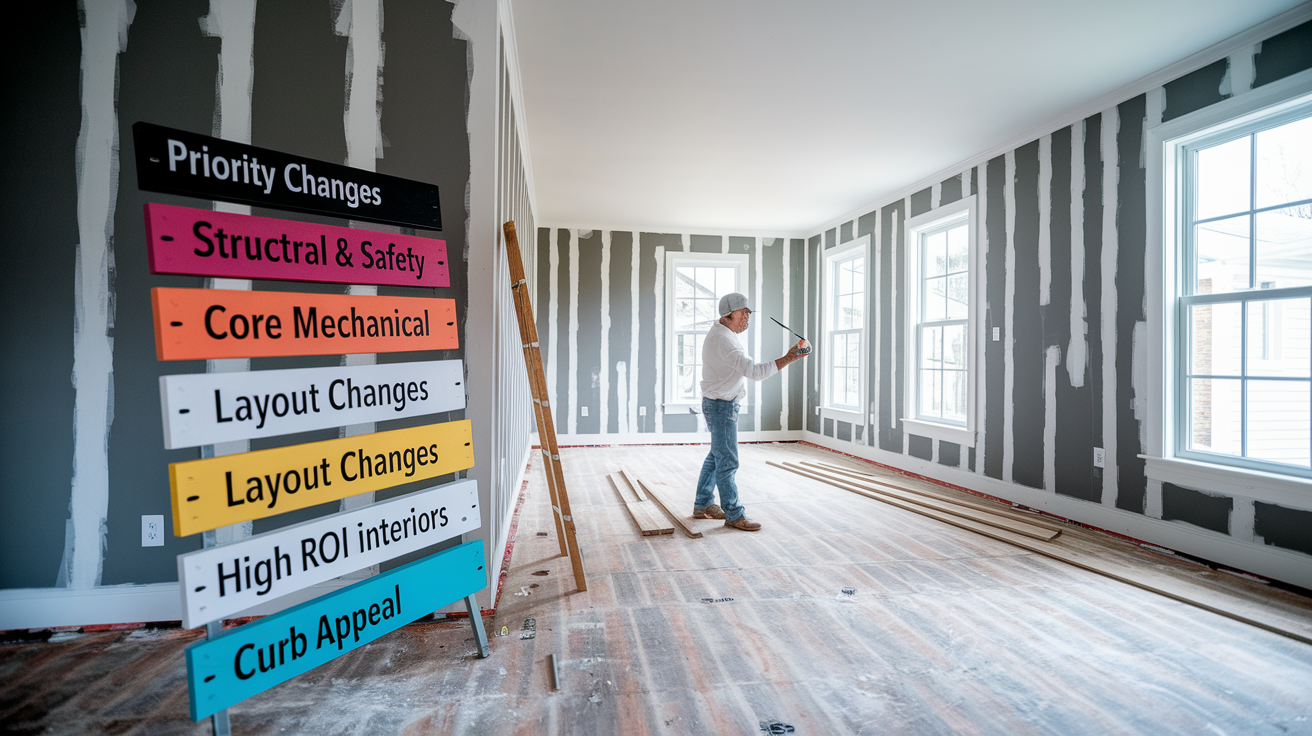
In BRRRR, the order you tackle repairs controls how much equity you can pull out at refinance. Appraisers look at comps, build quality, and whether the place is livable. Refinance before you fix core systems? The ARV comes in low, your equity stays trapped, and you’re stuck with cash you can’t touch.
Lenders see it the same way. They need proof the property is safe, works, and can sell before they approve a refinance at full value.
Safety and structural items carry the most weight because they define the baseline. An appraiser can’t give full market value to a house with a cracked foundation or exposed wiring, no matter how nice the counters look. Cosmetics matter, but only after fundamentals are solid. If the inspector flags a bad roof or old galvanized pipes, the appraiser discounts the property. The lender denies the refinance. You burn months fixing what should’ve been handled first.
Your repair list has to match neighborhood comps and what local buyers expect. Every comp has granite counters and three bedrooms? That’s your target. Drop $60,000 on a designer kitchen in a neighborhood where comps max out at $200,000? The appraisal won’t move proportionally. You just killed your margin. Study recent sales and match your scope to the finishes and layouts those properties show.
Here’s the step by step sequence to follow before demo starts:
- Structural and safety items first: Foundation cracks, beam repairs, code violations, anything flagged as a hazard.
- Core mechanical systems: Roof, electrical panel, plumbing, HVAC.
- Layout and usable space changes: Remove walls, add egress windows for basement bedrooms, reconfigure baths to add count.
- High ROI interior updates: Kitchen cabinets, countertops, backsplash, bathroom vanities, flooring, neutral paint.
- Curb appeal and finishing touches: Exterior paint, landscaping, garage door, lighting, final punchlist.
Structural and Mechanical BRRRR Repairs That Drive ARV the Most
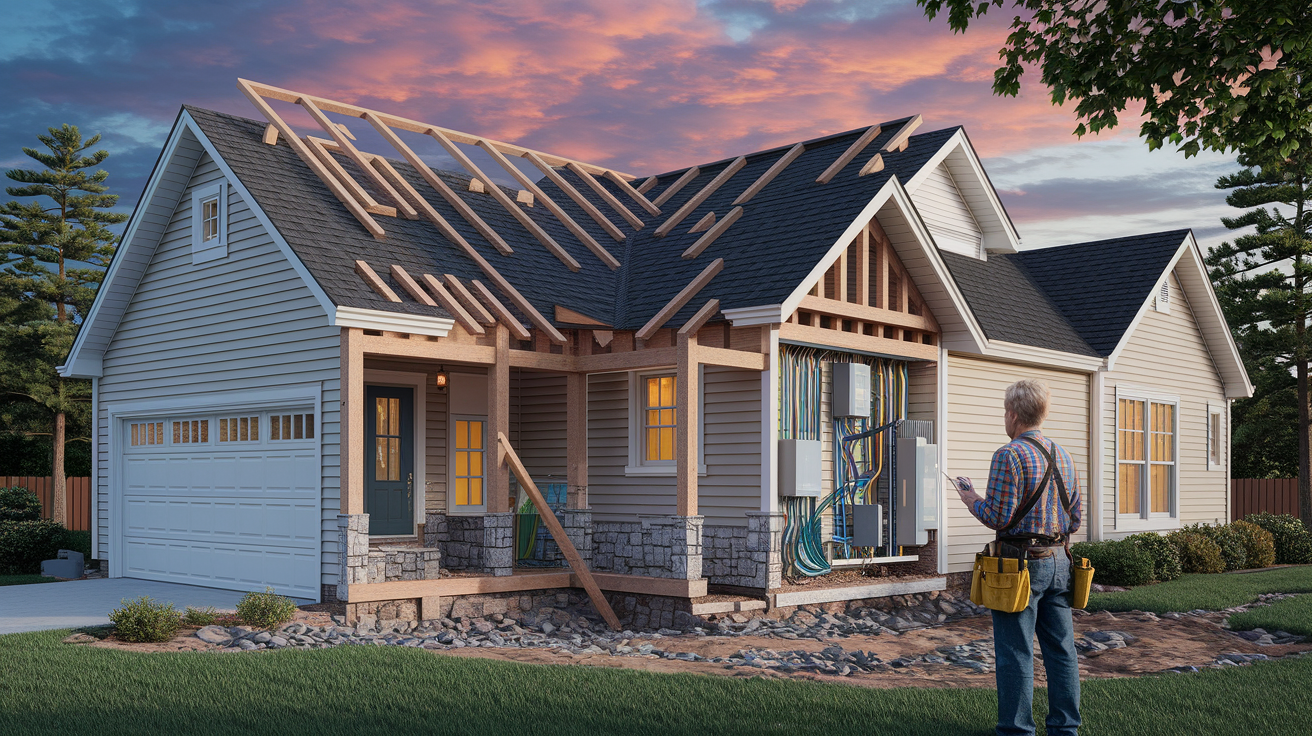
Lenders and appraisers need safety and habitability fixed before they assign full ARV. Foundation integrity, watertight roof, safe electrical, functional plumbing, working HVAC. All need to be in place and properly permitted. If an appraiser notes any deficiency, they’ll either call for repairs before closing or discount the ARV by the estimated fix cost plus a buffer. Unpermitted structural work triggers red flags. Cosmetics can’t fix failing systems. Appraisers check the bones first, then the pretty parts.
Skip the inspection to save a few hundred bucks? That’s one of the fastest ways to tank your ARV. Hidden foundation settlement, knob and tube wiring, or a roof with multiple shingle layers will surface during the appraisal walkthrough or lender’s final inspection. At that point, you’re staring down repair costs, delays, and the risk your refinance falls apart. Budget these early and get them done with permits and sign offs before you touch cosmetics.
- Foundation: Cracks, settlement, moisture, structural movement need engineered solutions and permits. An unstable foundation destroys ARV and can make the property unfinanceable.
- Roof: Full tear off and replacement (when needed) protects ARV better than patches. Appraisers look at remaining useful life. A roof with less than five years left gets discounted or red flagged.
- Electrical panel and wiring: Upgrade from fuses or undersized panels to 200 amp service with modern breakers. Replace old knob and tube or aluminum wiring. Lenders and insurers flag outdated electrical as deal breaking.
- Plumbing and HVAC: Replace galvanized or polybutylene pipes with PEX or copper. Install or service HVAC so heating and cooling work. Appraisers confirm mechanical systems function, and lenders require certification.
High ROI Kitchens, Bathrooms, and Interior BRRRR Upgrades
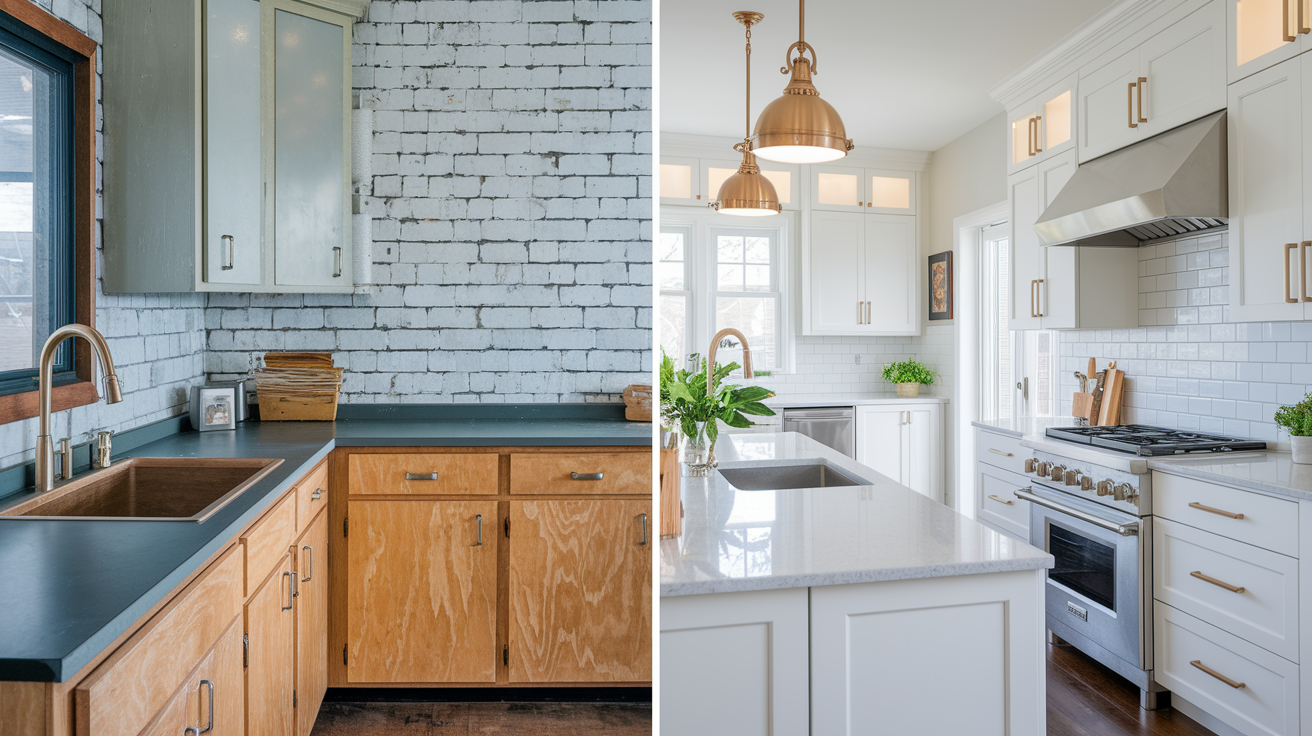
Kitchens and bathrooms drive buyer perception harder than any other room. When appraisers compare your property to recent sales, they note condition and finish level in these two spaces first. A dated kitchen with laminate counters and particle board cabinets pulls the entire ARV down, even if the rest of the house is solid. Upgrading to mid range modern finishes that match what buyers expect in your neighborhood delivers the strongest return per dollar spent.
Material choice matters. Shaker style or soft close cabinets, quartz or granite countertops, stainless steel or smart appliances, simple subway tile backsplash. These hit the quality threshold most appraisers and buyers recognize. Luxury materials like custom cabinetry or marble rarely recoup costs unless you’re renovating in a high end market where comps support them. In working class or entry level neighborhoods, a $60,000 designer kitchen won’t lift ARV by $60,000. You’ll get maybe 40 to 50 cents on the dollar. Stick to what comps show.
Same discipline applies to bathrooms. Replace old vanities, install modern fixtures, re tile shower surrounds, add decent lighting. Adding a bathroom to increase bedroom count? Make sure comps in your area support the added value. Flooring and paint round out the interior must dos. Durable luxury vinyl plank or engineered hardwood, paired with neutral two coat paint, give appraisers clean comparables and buyers a move in ready impression.
| Upgrade Type | Recommended Scope | ARV Impact Notes |
|---|---|---|
| Kitchen | Shaker cabinets, quartz/granite counters, stainless appliances, backsplash, updated lighting | Strongest single room ROI when matched to comps; over improvement reduces margin |
| Bathrooms | New vanity, modern fixtures, re tiled shower, exhaust fan, paint | High impact per square foot; adding a bath increases ARV if supported by neighborhood bed/bath counts |
| Flooring | Luxury vinyl plank or engineered hardwood throughout living areas | Durable, cost effective, matches buyer expectations; worn carpet or dated tile drags ARV down |
| Paint | Neutral two coat interior, fresh trim and doors | Low cost, high visual impact; appraisers note overall condition, fresh paint signals well maintained |
Exterior and Curb Appeal Improvements That Influence Appraised Value
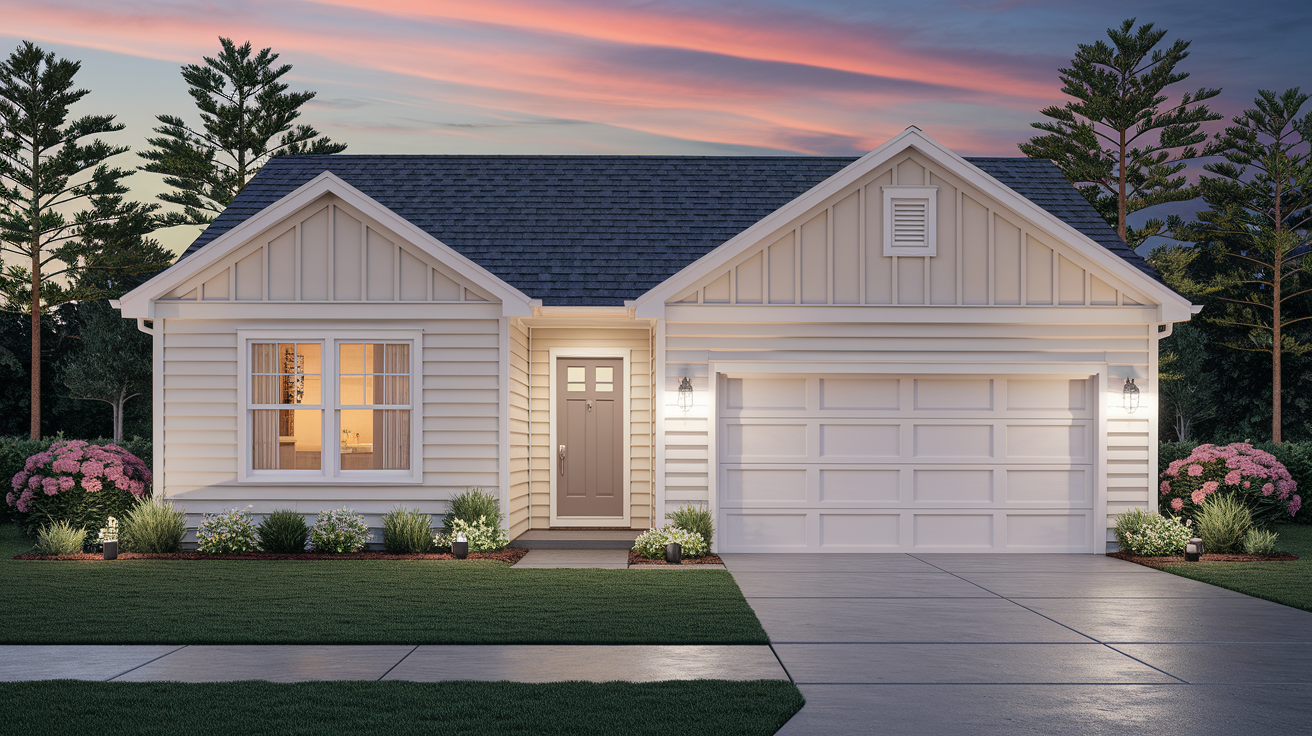
First impressions shape appraiser opinion before they step inside. Peeling paint, overgrown weeds, sagging garage door, dark or missing exterior lighting. All signal deferred maintenance, and appraisers adjust ARV downward. Curb appeal fixes are cheap compared to mechanical systems, but they punch above their weight in influencing the final number. Fresh paint, clean landscaping, updated front door hardware. These make the property look cared for, which translates to higher confidence in overall condition.
Energy efficient upgrades like new windows, added insulation, modern exterior lighting can justify incremental ARV gains and may qualify for financing incentives or green certification premiums. Power wash siding, walkways, driveways. It removes years of grime in a few hours and costs almost nothing. Appraisers compare your exterior condition to comps. If neighboring sales have manicured lawns and modern garage doors, you need the same or better to hit target ARV.
- Exterior paint: Fresh paint on siding, trim, fascia lifts perceived value immediately and signals recent upkeep.
- Garage door: Replacing a dented or dated garage door is one of the highest ROI exterior upgrades. Modern paneled doors with windows enhance street appeal.
- Landscaping: Fresh sod or mulch, trimmed shrubs, drought resistant foundation plants frame the property and improve appraiser comps alignment.
- Windows and insulation: Energy efficient windows and added attic/wall insulation reduce utility costs, appeal to buyers, can support higher ARV in energy conscious markets.
- Exterior lighting and house numbers: Modern porch lights, pathway lighting, updated house numbers cost little but reinforce a well maintained, move in ready impression.
Using Comps and Appraiser Criteria to Prioritize BRRRR Repairs

Appraisers derive ARV by comparing your property to recently sold homes of similar size, age, condition, location. If your renovation scope doesn’t align with what those comps show, the appraised value won’t support your refinance. Study at least three to five closed sales from the past 90 days in your immediate neighborhood. Focus on properties with the same bedroom and bathroom count, similar square footage, post renovation condition. Note the finishes, layout, features those comps have. Your repair list should deliver the same or slightly better without overshooting the neighborhood ceiling.
Permitted work and proper documentation matter to appraisers. Unpermitted additions, finished basements without egress windows, garage conversions that don’t meet code won’t count as livable square footage. Appraisers will discount or ignore them. Layout changes, like converting a two bedroom to a three bedroom, only add value when comps support the higher bed count. Lenders rely on appraiser validated improvement lists to approve refinance amounts, so your scope of work must tick the boxes appraisers and underwriters expect.
| Repair Option | Supported by Comps? | ARV Impact |
|---|---|---|
| Adding a third bedroom with egress window | Yes, if comps are mostly 3 bed homes | Strong positive impact; increases functional utility and appraised value when market supports it |
| Luxury kitchen upgrade in modest neighborhood | No, comps show mid range finishes | Negative ROI; over improvement beyond comp ceiling reduces margin without lifting ARV proportionally |
| Finishing basement without egress | Not as livable square footage | Minimal or no ARV gain; appraisers count only code compliant, egress equipped basement bedrooms |
Budgeting and Rehab Cost Allocation for Maximizing ARV

A strategic rehab budget starts with essentials and allocates remaining funds to high impact cosmetic improvements. Blow the budget on designer finishes before addressing the roof or electrical panel? You’ll run out of capital for the repairs that actually determine whether the property appraises and refinances. Prioritize your spend. Structural and mechanical line items first, then kitchens and bathrooms, then curb appeal and finishing touches. Lenders offering BRRRR friendly financing may cover up to 90 percent of purchase price and 100 percent of renovation costs, but that doesn’t mean you should max out every line item. Overspending reduces your cash on cash return and can push total cost above ARV.
Use cost effective materials that deliver strong visual impact without premium price tags. Luxury vinyl plank flooring looks nearly identical to hardwood at a fraction of the cost. Quartz countertops offer durability and style without the maintenance or expense of marble. Cabinet refacing or painting existing boxes with new hardware can save thousands compared to full replacement, especially when the existing layout works. Always keep a contingency reserve of 10 to 15 percent of total rehab budget for surprises. Hidden rot, permit delays, scope changes that surface mid project.
Track your cost per square foot against comps and neighborhood norms. If comps in your area are selling at $150 per square foot post renovation, your all in cost (purchase plus rehab) should leave room for profit and refinance equity. Breaking down hard costs (materials, labor, permits) versus soft costs (inspections, holding, insurance) helps you see where dollars are going and whether adjustments are needed before you overspend.
Here’s how to assign your rehab budget categories:
- Allocate 40 to 50 percent to structural and mechanical essentials: Foundation, roof, electrical, plumbing, HVAC, permits.
- Reserve 25 to 30 percent for kitchens and bathrooms: Cabinets, counters, fixtures, tile, appliances in these two rooms drive the largest ARV increases.
- Set aside 10 to 15 percent for flooring, paint, interior finishes: These items have strong visual ROI at relatively low cost.
- Budget 10 to 15 percent for curb appeal and exterior work: Paint, landscaping, garage door, exterior lighting, minor hardscaping.
Repair Sequencing and BRRRR Rehab Timeline Optimization

Permit sequencing and inspection scheduling directly affect whether your improvements get counted in the appraisal. Finish drywall before the electrical rough in is inspected? The appraiser and lender may require you to open walls for verification, delaying your refinance and adding cost. Pull permits early, schedule inspections at the right milestones, document sign offs. Appraisers look for permitted work. Unpermitted additions or structural changes trigger red flags and can result in ARV discounts or outright refinance denial.
Quality control checkpoints protect your ARV from rework and cost overruns. Walk the property at the end of each major phase. Framing, rough mechanicals, drywall, finish. Create a punchlist of items that need correction before moving forward. Small issues caught early (a crooked cabinet, uneven tile, missed paint touchups) are cheap to fix. The same issues discovered during the final appraisal walkthrough create delays, stress, potential valuation hits. Your contractor should expect these checkpoints and build them into the schedule.
- Obtain all necessary permits before starting demo or structural work; unpermitted repairs reduce ARV and can halt refinancing.
- Schedule inspections at code required milestones (foundation, framing, rough electrical/plumbing, final); don’t cover work until it’s signed off.
- Conduct quality control walkthroughs at the end of each phase to catch defects early and maintain appraiser ready condition.
- Complete a final punchlist 10 to 14 days before the appraisal to ensure all finishes, fixtures, details are installation complete and clean.
Market Matched BRRRR Improvements for Maximum Resale Value

Local buyer expectations define which improvements lift ARV and which overcapitalize. In a neighborhood where most homes are three bedroom, two bath ranches with laminate counters, adding a fourth bedroom and marble finishes won’t generate proportional value. You’ll exceed the comp ceiling and leave money on the table. But if recent sales show buyers paying premiums for open floor plans and modern kitchens, those are your must dos. Walk the block, study listings, talk to local agents to understand what features buyers in that zip code actually care about.
Energy efficiency upgrades can raise ARV when marketed correctly and when comps support the premium. LED lighting, programmable or smart thermostats, added insulation, energy efficient windows reduce operating costs and appeal to cost conscious buyers. Some lenders and appraisers recognize green certifications or energy audits as value adds, and local or federal incentive programs may offset installation costs. If your market has high utility rates or strong environmental awareness, highlight these improvements in your appraisal documentation and listing materials to justify incremental ARV gains.
Common Repair Prioritization Mistakes That Reduce ARV
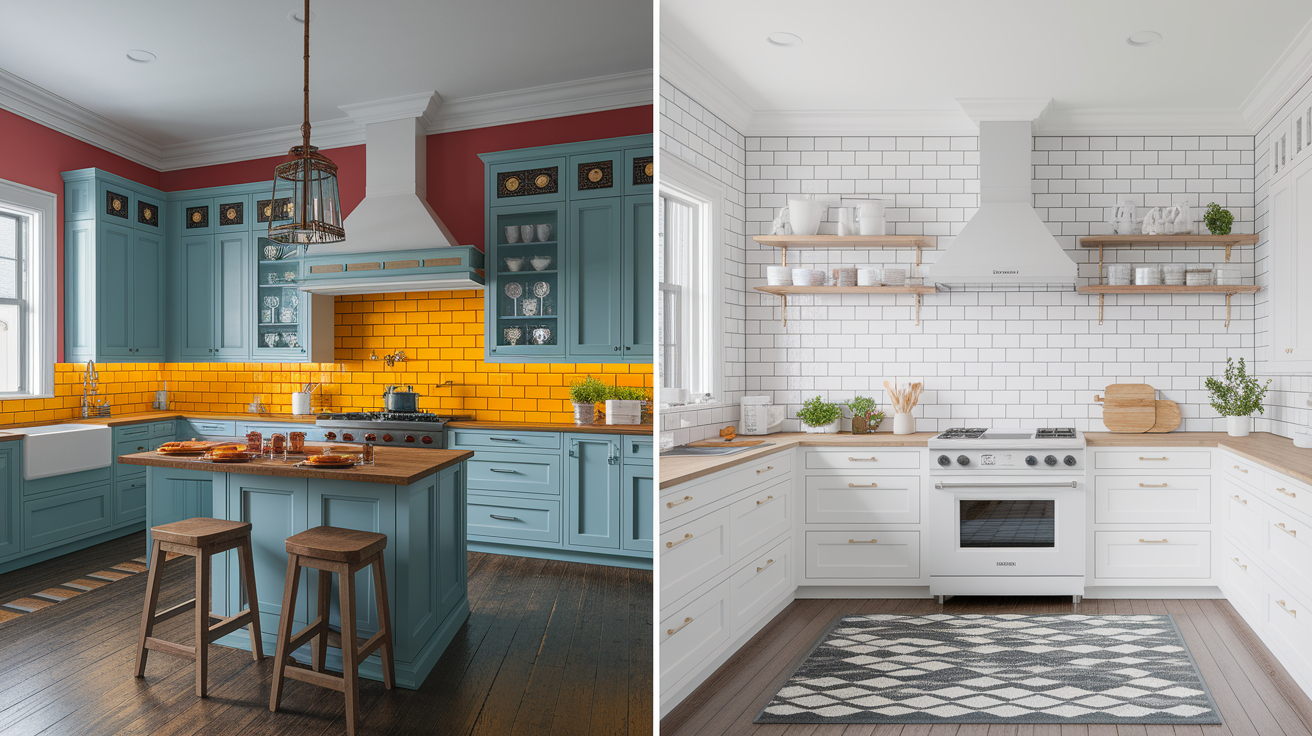
Mistakes in sequencing, scope, or material choices directly erode ARV and delay refinancing. Investors chase cosmetic appeal before addressing the systems appraisers and lenders require, leaving themselves with a beautiful property that won’t appraise. Using outdated or geographically mismatched comps leads to budget overruns and scope misalignment. Skipping inspections to save time or money hides problems that resurface during the appraisal, forcing last minute fixes or valuation discounts. Unpermitted work is one of the most common ARV killers. Appraisers won’t credit improvements without sign offs, and lenders may refuse to refinance until permits are resolved.
- Over improving beyond neighborhood comps: Spending on high end finishes in a modest market caps ARV below your total cost and destroys margin.
- Ignoring critical structural or mechanical repairs: Cosmetic upgrades can’t offset a failing roof or outdated electrical; appraisers discount ARV heavily for deferred maintenance.
- Using inaccurate or outdated comps: Relying on sales from six months ago or a different school district skews your ARV estimate and budget.
- Skipping third party inspections: Hidden issues discovered during appraisal delay refinancing and add unplanned costs.
- Performing unpermitted work: Additions, electrical upgrades, structural changes without permits reduce appraised value and can trigger lender stop work orders.
- Neglecting curb appeal until the end: First impressions matter; appraisers form opinions before entering the property, poor exterior condition lowers ARV even when interiors are renovated.
Repeatable BRRRR Repair Prioritization Workflow and Case Example

A structured workflow reduces guesswork and increases the likelihood your ARV hits lender thresholds on the first appraisal. Start with a thorough inspection to catalog every needed repair, then cross reference your list against recent comps to confirm which improvements will be recognized and rewarded in your market. Assign budget and timeline to each category, sequence permits and inspections, build in quality checkpoints. Documenting before and after photos, invoices, permit sign offs supports the appraiser’s valuation and gives your lender confidence in the scope and quality of work.
Consider this example. An investor bought a two bedroom, one bath property for $150,000 in a neighborhood where recent three bedroom, two bath sales closed at $220,000. The initial plan was to repaint, install new flooring, upgrade the kitchen. During inspection, the roof showed multiple layers and active leaks, the electrical panel was undersized, the plumbing had galvanized sections. Instead of starting with cosmetic work, the investor re sequenced. Roof replacement, electrical panel upgrade, plumbing repipe, then added a third bedroom with egress window and a second bathroom. Kitchen and flooring followed. The appraisal came in at $218,000 ARV because the improvements matched comps and all work was permitted. If the investor had skipped the roof and mechanicals, the appraisal would have flagged deficiencies and discounted ARV by at least $30,000, killing the refinance.
Here’s the repeatable five step workflow to apply on every BRRRR project:
- Conduct a detailed inspection and create a master repair list: Hire a licensed inspector to identify structural, mechanical, code issues before you commit to a scope of work.
- Research and document recent comparable sales: Pull at least three to five comps from the past 90 days that match your target post renovation bed/bath count, square footage, condition.
- Assign budget and priority to each repair category: Allocate funds to structural/mechanical first, then high ROI interiors (kitchen/bath), then curb appeal and finishes.
- Sequence permits, work phases, inspections: Pull permits before demo, schedule inspections at code milestones, document sign offs to ensure appraisers recognize all improvements.
- Perform quality control walkthroughs and create a final punchlist: Catch defects early, complete all finish details, present a clean, appraiser ready property before scheduling the appraisal.
Final Words
Putting the framework into action: start with safety and systems, then move to layout, and use midrange kitchen and bath upgrades. Finish with curb appeal.
We covered why appraisers and lenders require structural fixes, how comps set your ceiling, and how to budget, sequence permits, and avoid common mistakes.
Keep a repeatable workflow—inspect, list, check comps, budget, sequence—and pressure test with reserves. Prioritizing repairs for BRRRR to maximize ARV is the lever that improves appraisals and refinance outcomes. Stay disciplined and you’ll raise your odds of hitting ARV targets.
FAQ
Q: What is the 70% rule for brrrr?
A: The 70% rule for BRRRR is a quick buy screen: purchase price plus rehab costs should be no more than 70% of ARV to leave room for profit, fees, and holding costs.
Q: How to maximize arv?
A: To maximize ARV, prioritize fixes buyers and appraisers value: repair structure/systems first, then mid-range kitchens and baths, match finishes to comps, and improve curb appeal.
Q: What is the 3-3-3 rule in real estate?
A: The 3-3-3 rule in real estate is a rough guideline: three months of mortgage reserves, three months of operating or vacancy reserves, and a three-month rehab or turnaround expectation; meanings vary by context.
Q: Is the brrr method or fix-and-flip better?
A: Whether BRRRR or fix-and-flip is better depends on goals: BRRRR favors long-term cash flow and equity; fix-and-flip favors quick profit but requires more hands-on work and market timing. Choose by time, capital, and risk.