

What if the best deals never hit the MLS?
Skip tracing (pulling phone numbers, emails, and forwarding addresses from public records and commercial databases) lets you reach the actual owner, not a block of addresses.
You stop blasting postcards and get first-call advantage.
Target lists like probate, tax-delinquent, vacant, and absentee owners respond more often when reached directly.
This post walks through contact-info methods, realistic hit rates, and a simple outreach sequence so you can turn traced contacts into a steady off-market deal pipeline.
How Skip Tracing Directly Identifies Off‑Market Sellers for Real Estate Investors

Skip tracing is how you find phone numbers, emails, and forwarding addresses for property owners by pulling from public records and commercial databases. You’re not shooting mailers into the void hoping someone bites. You’re targeting the actual owner of a specific property and reaching them directly. That’s why wholesalers, flippers, and rental investors use skip tracing to build off-market pipelines.
Off-market sellers don’t always advertise they’re ready to sell. Vacant homes, tax-delinquent owners, absentee landlords, probate estates. Many won’t list at all if you make the right offer first. Skip tracing gets you their contact info before your competitors know the property exists. When you call the owner of a tax-delinquent duplex two weeks after the lien notice goes public, you’re often the first investor on the phone. First call advantage matters. Owners respond at higher rates when they haven’t been bombarded by ten identical postcards yet.
Accuracy for skip-traced data ranges from about 60 percent on older records up to 90–95 percent when you use premium databases and layer public records. On a clean list (recent probate filings or fresh tax delinquencies) you can expect usable contact information for 50–85 percent of records. Calling connection rates run between 5 and 20 percent depending on list quality and time of day. Once you have the number or email, your outreach options include direct mail, cold calls, text messages (with opt-in), and email sequences.
How skip tracing works for off-market deal flow:
Hidden contact information retrieval. Public records give you owner names and property addresses. Skip-trace databases add phone numbers, emails, and sometimes current forwarding addresses when the owner moved.
Higher response rates from motivated sellers. Owners facing probate deadlines, mounting tax bills, or carrying vacant properties respond more often than random homeowners. Motivation signals in the data predict engagement.
Motivation signals that predict seller interest. Tax delinquency over six months, probate court filings, properties vacant more than 90 days, eviction records, code violations, out-of-state mailing addresses. All correlate with higher deal-conversion rates.
Accuracy expectations and hit rates. You won’t find valid contact data for every record. Plan for 50–85 percent usable contacts on strong lists, much lower (10–30 percent) on very old or incomplete datasets.
Typical outreach sequence after tracing. Direct mail postcard or letter within 1–3 days of the trace, followed by cold calls, a second mailer at 2–4 weeks, optional SMS or email (consent required), and additional follow-up touches over 8–12 weeks.
Data Sources Used in Skip Tracing for Off‑Market Seller Identification

Skip tracing combines public records and commercial databases to build complete contact profiles. Public records are free or low-cost and come from county and state agencies: assessor ownership records, recorder deed transfers, tax-delinquency files, probate court filings, bankruptcy records, UCC lien filings, building permits, eviction court dockets. These datasets confirm who owns what property and surface motivation signals like unpaid taxes or court proceedings. Commercial databases add layers that public records don’t offer: national phone and email aggregators, credit header files (name, address, phone without full credit report), utility account histories, change-of-address feeds from the post office or moving companies.
The difference between public and commercial data is completeness and speed. Public records tell you the owner’s name and last-known address on file with the county. Commercial aggregators tell you the owner’s current cell phone, email, and whether they moved to another state three months ago. Probate records and tax-delinquency lists reliably identify off-market owners because they flag properties where the seller has a financial or legal reason to act quickly. Vacancy indicators (properties with utility shutoffs, expired occupancy permits, or building-code violations on file) help you zero in on owners who aren’t maintaining the property and could be open to selling.
| Source Type | Data Provided | Use Case |
|---|---|---|
| County Assessor / Recorder | Owner name, deed date, mailing address, property tax history | Identify absentee owners and baseline ownership details |
| Tax Delinquency Lists | Properties with unpaid taxes, lien amounts, auction dates | Target financially distressed owners before foreclosure sale |
| Probate Court Records | Estate filings, executor names, date of death | Reach heirs managing inherited property, often motivated to sell quickly |
| Commercial Phone / Email Aggregators | Current cell, landline, and email addresses | Direct outreach when county records only show old mailing address |
| Credit Header Files | Name, address, phone (no credit score or payment history) | Supplement public data without triggering FCRA consumer-report rules |
| Utility / Change-of-Address Feeds | Utility shutoff dates, forwarding addresses from USPS | Identify vacancy and track owner relocations |
Tool and Vendor Options for Skip Tracing Real Estate Leads
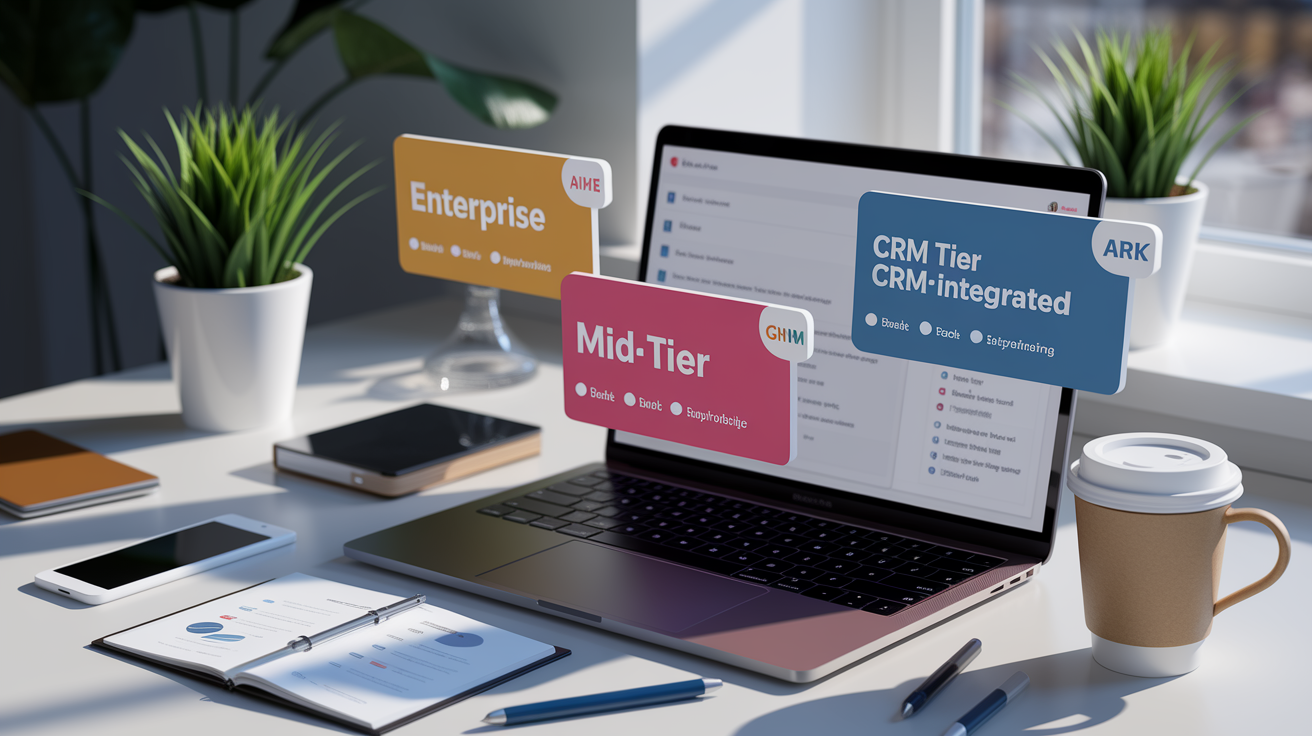
Skip-tracing vendors fall into three pricing tiers. Enterprise-grade platforms designed for high-volume operations and heavy compliance cost roughly $500 to $2,000 or more per month. These services offer the highest accuracy (often 85–95 percent hit rates), deep integrations with CRMs, automatic Do-Not-Call scrubbing, and detailed audit logs to satisfy TCPA and FCRA requirements. Mid-tier pay-per-lookup services charge $0.25 to $5.00 per record or offer monthly subscription plans between $50 and $300. These are flexible for smaller investors or those testing new markets. CRM platforms with built-in skip-trace integrations typically cost $25 to $300 per month and let you run traces, store results, and launch outreach sequences all from one dashboard.
Speed is the practical difference between batch and single-record tracing. Batch processing lets you upload a CSV of 500 or 5,000 property records and get phone numbers and emails back in minutes to hours, depending on the vendor’s queue. Single-record deep traces take longer (sometimes 24 to 48 hours) but return more contact options and historical addresses when an owner is particularly hard to find. If you’re working a small probate list, single-record tracing can be worth the wait. If you’re mailing 2,000 absentee owners this week, batch processing is the only practical option.
API integrations matter when you scale. Vendors that connect to your CRM via API automatically pull new county-assessor data, run the trace, scrub against DNC lists, and populate call lists without manual CSV uploads. That automation cuts your admin time from hours to minutes per campaign and reduces data-entry errors. When selecting a vendor, match tool capability to your list size and budget: if you’re tracing fewer than 100 records a month, a mid-tier pay-per-lookup service is cost-effective. If you’re running 1,000-record campaigns every two weeks, an enterprise platform with CRM integration and bulk pricing will pay for itself in time savings and better data accuracy.
Key features investors should prioritize when choosing skip-trace vendors:
Accuracy and freshness of data. Look for vendors that update records monthly and pull from multiple commercial sources, not just one aggregator.
Batch processing and turnaround time. Confirm whether the vendor can handle your typical list size and return results within your campaign timeline (hours vs. days).
CRM and dialer integration. API connections automate list uploads, DNC scrubbing, and outreach sequencing. Manual CSV exports slow you down as volume grows.
Compliance tooling built in. Automatic scrubbing against national and state Do-Not-Call registries, opt-out tracking, and audit logs reduce legal risk and save manual work.
Methods for Obtaining Accurate Owner Contact Information Through Skip Tracing

Skip tracing relies on four core technical methods to retrieve and verify owner contact information. Batch lookups process hundreds or thousands of records at once by matching owner names and property addresses against commercial phone and email databases. Deep individual traces dig further when batch results come back empty, pulling from secondary sources like social-media profiles, professional licenses, and relatives’ contact details. Reverse-append flips the process: you supply a phone number (maybe from a returned voicemail or a neighbor referral) and the service returns the owner’s name and current address. Email-verification tools validate addresses by pinging mail servers to confirm the inbox exists and accepts messages. These cost about $0.01 to $0.50 per record and reduce bounce rates on cold-email campaigns.
Hit rates depend heavily on list quality and data age. On a fresh probate list or recent tax-delinquency file, you can expect usable phone numbers or emails for 50 to 85 percent of records. Older lists (properties that went delinquent five years ago or estates that closed three years back) drop to 10 to 30 percent hit rates because owners have moved, changed numbers, or passed away. The practical takeaway: run skip traces as close as possible to the date the public record was filed. A probate case opened last month will trace much better than one from 2019.
Step-by-step process for obtaining and enriching owner contact data:
-
Pull your target list from county records or a lead vendor (property addresses and owner names).
-
Upload the list to your skip-trace platform in CSV format (columns: owner name, property address, city, state, ZIP).
-
Run the batch trace. The platform queries commercial databases and returns phone numbers, email addresses, and any known forwarding addresses.
-
Download results and filter records by data quality (phone verified, email verified, or no contact found).
-
Use an email-verification service to scrub the email list and flag invalid or risky addresses before launching outreach.
-
Import verified contacts into your CRM, tag each record with the motivation signal (probate, tax lien, vacant), and queue the first outreach touch (mail or call).
Legal and Compliance Requirements When Skip Tracing Off‑Market Property Owners

Skip tracing for lead generation sits at the intersection of multiple federal and state laws. The Telephone Consumer Protection Act (TCPA) requires prior express written consent before you use an autodialer or send marketing text messages to a cell phone. “Express written consent” means a signature or electronic opt-in that clearly states the recipient agrees to receive calls or texts. A business card left at the door or a returned voicemail doesn’t count. If you manually dial each number, TCPA restrictions are lighter, but you still must honor internal Do-Not-Call requests immediately. The Fair Credit Reporting Act (FCRA) limits how you use consumer-report data. Most skip-trace vendors structure their services to avoid FCRA consumer-report status by not pulling full credit files, but confirm this with your vendor and never use skip-trace data to make credit, employment, or insurance decisions.
National and state Do-Not-Call (DNC) registries must be checked before every calling campaign. The Federal Trade Commission maintains the national DNC list. Many states add their own registries with stricter rules. Scrubbing your call list against these databases is mandatory, and you must keep logs proving you checked. SMS marketing has additional consent requirements under TCPA and the Telephone Consumer Protection Act’s 2012 amendments: you need written opt-in for every recipient, and you must provide a clear opt-out method (like replying STOP) in every message. Record retention is your compliance safety net. Keep scrub logs, consent records, call logs, opt-out requests, and campaign timelines for three to seven years depending on your state. If a complaint or lawsuit arrives two years later, you’ll need proof you followed the rules.
Some states layer on extra telemarketing and robocall restrictions beyond federal law. California, Florida, and Texas, for example, have state-specific DNC rules and shorter statute-of-limitations windows for TCPA claims. Check your state’s consumer-protection agency or consult with a compliance attorney if you’re calling into or from those states. The practical risk isn’t just fines (TCPA violations can be $500 to $1,500 per call) but also the reputational damage and time cost of defending yourself. Staying compliant is cheaper and faster than fighting a class-action lawsuit.
Core compliance checklist for skip-trace outreach:
Scrub all call lists against national and state DNC registries before dialing and maintain scrub logs with dates and list sources.
Obtain written consent for autodialed calls and SMS through signed forms, electronic opt-ins, or documented verbal agreement confirmed in writing. Verbal alone isn’t enough for autodialers.
Honor opt-out requests immediately and add opted-out numbers to your internal suppression list. One missed opt-out can trigger a TCPA complaint.
Limit use of consumer-report data to permissible purposes under FCRA. Don’t use full credit reports for marketing prospecting unless the owner applied for credit with you.
Retain compliance records for 3–7 years including scrub logs, consent forms, call recordings (if applicable), and proof of DNC checks. These records are your defense in any dispute.
Outreach Strategies After Completing Skip Tracing

Once you have verified phone numbers, emails, and forwarding addresses, your outreach goal is to start a conversation without burning the lead. The most effective cadence layers multiple channels over 8 to 12 weeks, giving the owner several chances to respond without feeling harassed. A typical sequence starts with a direct-mail postcard or letter within 1 to 3 days of completing the trace. The mail piece references the public record that flagged the property (tax lien, probate filing, vacant status) and offers a straightforward reason to call you back. One to three days after the mail drops, you begin cold calling. Live-answer rates on first attempts run between 5 and 20 percent depending on time of day and list quality. When you reach voicemail, leave a 20 to 30-second message that includes your name, the reason you’re calling (referencing the property or situation), and your callback number.
If the owner doesn’t respond within a week, send a follow-up text message or email, but only if you have documented consent for SMS or the email was verified. SMS response rates can reach 5 to 25 percent when the recipient opted in, but unsolicited marketing texts violate TCPA. Email open rates for cold real-estate outreach typically hover around 15 to 30 percent. Include a clear subject line like “Question about 123 Main St” and keep the body short. At the two to four-week mark, mail a second postcard or letter with slightly different messaging, perhaps emphasizing speed or flexibility in closing. Continue periodic calls at 7, 14, and 30 days, adjusting your script based on any voicemail feedback or partial conversations. Six to eight total touches over this timeline maximize conversion without crossing into annoyance territory.
Direct-mail response rates for cold off-market lists run between 0.5 and 3 percent. Highly targeted lists (probate estates less than 60 days old, properties with tax liens over $10,000, or homes vacant more than six months) can push response rates toward 5 percent or higher. Calling boosts overall contact rates because you’re actively pursuing the owner rather than waiting for them to act. The combination of mail (passive, builds familiarity) and calls (active, starts conversation) outperforms either channel alone.
Sample Multichannel Outreach Sequence
A proven 8 to 12-week cadence for off-market seller outreach includes the following touches. Day 1: send initial postcard or letter referencing the property and offering a no-obligation conversation. Day 3: begin cold calling. Attempt contact in late morning (10 a.m.–12 p.m.) or early evening (5 p.m.–7 p.m.) for higher live-answer rates. Day 5: if no answer, leave your first voicemail (20–30 seconds, state name, property address, reason for call, callback number). Day 7: send follow-up SMS or email if you have consent and verified contact. Week 2: mail second postcard with updated message emphasizing your ability to close quickly or handle complex situations like probate or liens. Week 3: place second round of calls. Reference previous voicemail to build continuity. Week 4: third call attempt and optional second voicemail. Week 6–8: final mail piece and last call attempt. Week 10–12: soft follow-up email or postcard offering to revisit the conversation in 60 days if timing wasn’t right.
Response rates vary by motivation level. Tax-delinquent owners facing auction dates respond faster than absentee landlords casually considering a sale. Expect 0.5 to 3 percent of cold mail recipients to call back and 5 to 20 percent of live phone connections to result in a meaningful conversation. Persistence pays. Many deals close after the fourth or fifth touch when the owner finally has time or urgency aligns.
Best Practices for Scripts and Voicemail
Keep phone conversations under three minutes on the first call. Your goal is to confirm interest and set an appointment, not negotiate price on a cold call. Open with your name and a permission-based question: “Hi, this is Alex. I’m reaching out about the property at 456 Elm Street. Is this a good time for a quick question?” If they say yes, explain why you’re calling. Reference the public fact that led you to them, like “I noticed the property has been vacant for a while” or “I saw the estate filing in probate court last month.” Position yourself as a solution to a problem they already know they have. Ask if they’ve thought about selling, and if so, whether they’d be open to a cash offer or flexible terms. If they’re interested, schedule a follow-up call or in-person meeting. If not, ask permission to check back in 60 or 90 days.
Voicemail scripts should run 20 to 30 seconds and include four elements: your name, the property address, the reason you’re calling (tied to their situation), and your callback number spoken slowly twice. Example: “Hi, this is Jordan calling about 789 Oak Avenue. I help property owners in probate situations close quickly without repairs or agent fees. If that’s something you’d like to explore, give me a call back at 555-0123. Again, that’s 555-0123. Thanks.” Avoid sounding overly salesy or urgent. The tone should be helpful and straightforward. One voicemail per call attempt is enough. Leaving three voicemails in three days feels aggressive and lowers callback rates.
Cost and ROI Analysis for Skip Tracing Campaigns

A typical campaign targeting 1,000 property records costs between $1,000 and $4,000 all-in, depending on your mix of direct mail, calling, and skip-trace vendor pricing. Skip-trace fees for 1,000 records run $200 to $1,000 depending on whether you use a mid-tier pay-per-lookup service or an enterprise platform with bulk discounts. Direct mail for 1,000 pieces (printing, variable data merge, postage) costs $700 to $2,500. Standard postcard postage runs about $0.35 to $0.60 per piece depending on mail class and region. First-class letters cost more but get better delivery rates. Calling costs vary by whether you dial in-house using a VOIP system (roughly $100 to $300 for software and phone time) or outsource to a call center ($300 to $600 for 1,000 dials with basic scripts).
Expected deal conversion from a 1,000-record campaign ranges widely by list quality. On a strong list (recent probate filings, properties with tax liens filed in the last 90 days, or homes vacant more than six months) you might generate 5 to 30 initial leads (owners who respond and express interest). Of those leads, 0.5 to 2 percent convert into closed deals, meaning 1 to 6 contracts per 1,000 records on a well-targeted list. Weaker or older lists drop closer to 0.5 percent overall conversion. Cost per lead lands between $30 and $800 depending on total campaign spend and response rate. Cost per closed deal runs $500 to $8,000. If your average net profit per deal is $15,000 to $30,000 (wholesale fee, flip profit, or BRRRR equity capture), a $2,000 campaign that produces two deals delivers strong ROI.
| Cost Component | Typical Range (per 1,000 records) | Notes |
|---|---|---|
| Skip-trace fees | $200–$1,000 | Lower for mid-tier services; higher for enterprise platforms with deep data and compliance tools |
| Direct mail (printing + postage) | $700–$2,500 | Postcards cheaper than letters; first-class delivery costs more but improves deliverability |
| Calling (in-house or call center) | $100–$600 | In-house VOIP systems cost less; outsourced call centers add labor but scale faster |
| Email/SMS tools and verification | $50–$200 | Email verification $0.01–$0.50 per record; SMS platforms charge per message sent |
| CRM and automation software | $25–$300/month | Monthly subscription; higher tiers include workflow automation and reporting dashboards |
| Total campaign cost | $1,000–$4,000 | Sum of all components; actual spend depends on mail volume, calling method, and vendor pricing |
Step‑by‑Step Workflow for Using Skip Tracing to Source Off‑Market Sellers
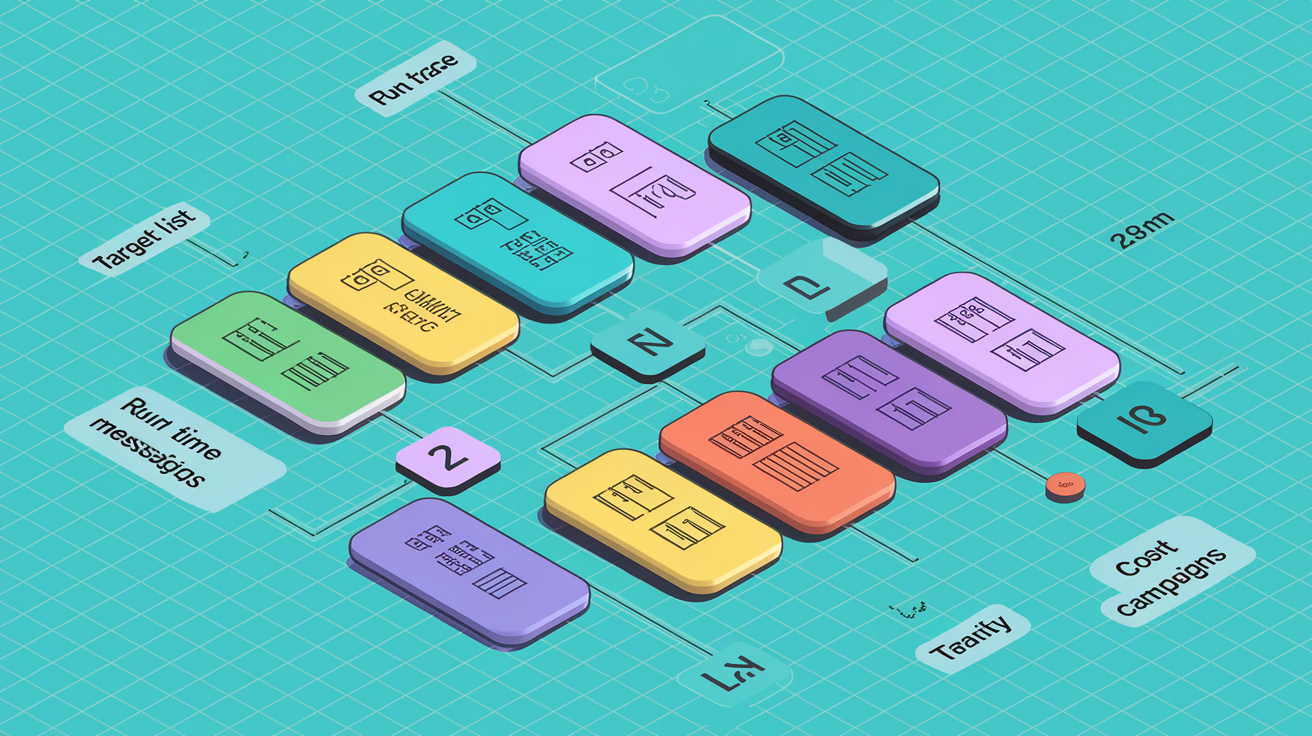
The repeatable process for running a skip-trace campaign breaks into nine discrete steps. Following this sequence keeps you organized, ensures compliance, and makes it easier to track what’s working so you can optimize future campaigns. Each step has a time estimate and cost range based on typical small-to-mid-scale operations (500 to 2,000 records per campaign).
Start by defining your target criteria and geographic market. Decide which motivation signals matter most (tax delinquency, probate, vacancy, absentee ownership) and pick a ZIP code or county where you want to invest. This research phase takes half a day to two days and costs nothing beyond your time. Next, pull your list from public records or a lead vendor. If you’re scraping county websites yourself, budget one to three days and maybe $50 to $200 for bulk data exports. If you buy a pre-built list from a vendor, expect to pay $50 to $1,000 depending on size and filters applied.
Complete 9-step skip-trace workflow:
-
Define target criteria and market. Choose motivation signals (probate, tax lien, vacancy, absentee) and geographic focus. Time: 0.5–2 days. Cost: $0 (research only).
-
Pull property list. Download from county assessor, recorder, or purchase from lead vendor. Time: 1–3 days. Cost: $0–$1,000 depending on source and volume.
-
Run skip trace. Upload list to skip-trace platform, process batch lookup. Time: 1–48 hours depending on vendor queue. Cost: $0.25–$5.00 per record.
-
Verify and enrich contact data. Use email-verification tools to scrub bounces, append any missing phone numbers via reverse lookup. Time: 1–3 days. Cost: $0.01–$0.50 per verification.
-
Build outreach assets. Design postcards, write call scripts, draft SMS/email templates, set up CRM workflows. Time: 1–7 days. Cost: $100–$500 for design and printing setup.
-
Launch multichannel campaign. Send initial mail, begin calling sequence, deploy SMS/email to opted-in contacts. Time: 2–12 weeks for full cadence. Cost included in skip-trace and mail totals.
-
Track KPIs in CRM. Log contact attempts, record lead creation, track appointments set and deals in contract. Review weekly. Time: ongoing 2–4 hours per week.
-
Optimize messaging and targeting. A/B test postcard headlines, refine call scripts based on objections, adjust list criteria if conversion is low. Iterate every 2–4 weeks. Cost: minimal (internal time).
-
Scale successful campaigns. Increase list size, add new markets, or hire virtual assistants for calling when ROI meets target (typically 3:1 or better on campaign cost to gross profit). Time and cost scale with volume.
Best Practices and Risk Reduction When Using Skip Tracing for Real Estate Lead Generation

Improving accuracy and reducing wasted outreach starts with layering multiple data sources. Don’t rely on a single skip-trace vendor or one public-records pull. Cross-reference county tax records with probate filings and building-permit databases to confirm the property’s status and the owner’s situation. When a vendor returns a phone number, verify it with a reverse-lookup service or a quick manual search before you launch 1,000 calls. Maintaining internal suppression lists is non-negotiable: track every opt-out, DNC request, and bounced contact, then scrub those records from future campaigns. This protects you legally and keeps your sender reputation clean for email and SMS.
Avoid misrepresentation in all outreach. Don’t imply you’re a government agency, a tax authority, or anyone other than a real-estate investor or wholesaler. Transparency builds trust and keeps you out of legal trouble. Respect opt-outs the moment you receive them, and keep audit logs proving you honored the request. If an owner says “take me off your list,” that instruction applies to all your future campaigns, not just the current one. The small time cost of tracking opt-outs is far cheaper than the TCPA fines and reputation damage that come from ignoring them.
Five key practices to improve data quality and stay compliant:
Layer public and commercial data sources to cross-check accuracy and fill gaps. One source alone will miss 20–40 percent of usable contacts.
Maintain and update suppression lists for DNC registrations, internal opt-outs, and known bad numbers. Scrub every new list before outreach begins.
Avoid deceptive representations in scripts, mailers, and voicemails. Clearly identify yourself as an investor or buyer, not a government or nonprofit entity.
Verify high-value leads manually before making offers. A quick online search or county-record check confirms the owner’s name, property status, and lien details.
Keep detailed audit trails of consent forms, scrub dates, call logs, and opt-out timestamps. These records are your compliance insurance if a complaint is filed.
Real‑World Examples of Skip Tracing Producing Off‑Market Deals

Two concise case studies illustrate typical performance and cost structures for small-scale skip-tracing campaigns. In the first example, an investor targeted 500 tax-delinquent single-family homes in a mid-sized Midwest market. The skip-trace vendor returned phone numbers for 420 properties, an 84 percent hit rate. Over four weeks, the investor and a part-time caller made roughly 2,000 outbound calls, reaching 63 live property owners (a 15 percent connection rate on total calls, or about 15 percent of the 420 records). Of those 63 conversations, 18 owners agreed to in-person appointments or detailed phone evaluations. Six properties went under contract, a 1.2 percent conversion rate from the original 500-record list. Total campaign cost was approximately $900: $300 for skip tracing, $150 for VOIP calling, and $450 for an initial direct-mail postcard sent to all 500 addresses. Average profit per deal was $28,000 (a mix of wholesale assignments and light-rehab flips), producing total gross profit around $168,000. The ROI on the $900 spend was extremely high, though this result reflects a well-targeted list and strong execution.
In the second case, an investor pulled 1,000 absentee-owner records in a growing suburban market where rents were rising and owner occupancy was low. The skip trace located phone numbers or emails for 700 properties, a 70 percent hit rate. The investor launched a multichannel campaign: an initial postcard, followed by email outreach to verified addresses, then a calling sequence over ten weeks. The campaign generated 22 leads (owners who responded and expressed interest in selling), a 2.2 percent lead rate. Four of those leads converted into signed purchase agreements, a 0.4 percent overall conversion from the 1,000-record list. Total campaign cost was roughly $2,050: $700 for skip tracing, $1,200 for two rounds of direct mail, and $150 for CRM and email-automation tools over two months. Average profit per deal was $18,000 (primarily buy-and-hold acquisitions with immediate equity). Four deals produced $72,000 in total profit, and the cost per closed deal was about $512, well within acceptable acquisition-cost targets.
| Case | List Size | Deals Closed | Total Cost |
|---|---|---|---|
| Tax-delinquent single-family (Midwest) | 500 records | 6 contracts | ~$900 |
| Absentee owners (suburban growth market) | 1,000 records | 4 contracts | ~$2,050 |
Final Words
You’re already in the action: this guide walked through what skip tracing is, where the data comes from, vendor choices and costs, verification steps, legal must-dos, outreach sequences, ROI math, a repeatable workflow, and real case results.
Start small and follow the workflow: define criteria, pull a clean list, run traces, verify contacts, launch a disciplined multichannel cadence, and track your response rates.
If you’re serious about using skip tracing to source off-market sellers, do it with good data, clear compliance, and steady testing. Results come with patience and repeatable work.
FAQ
Q: What is the 3 3 3 rule in real estate?
A: The 3 3 3 rule in real estate typically describes an outreach cadence: three contacts in week one, three more over the next month, and three follow-ups across the following three months to build rapport.
Q: Is skip tracing illegal and which actions can you not do while skip tracing?
A: Skip tracing is not illegal, but you cannot misuse it: don’t use consumer-report data improperly, ignore Do Not Call rules, send autodialed messages without consent, impersonate officials, or harass or stalk owners.
Q: What is the best tool to use for skip tracing?
A: The best tool depends on volume and budget: small investors use pay-per-lookup services, growing teams use CRMs with skip-trace APIs, and large operations choose enterprise batch platforms with verification.