
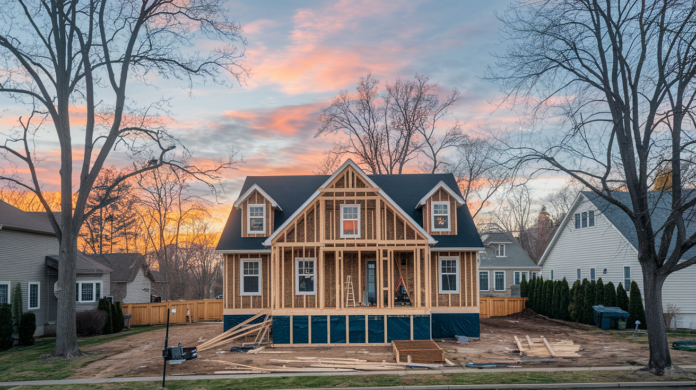
Think painting first will speed up your BRRRR deal?
That mistake can cost you tens of thousands when the appraiser finds water damage or an old electrical panel.
This checklist puts systems and safety first, then the high-ROI finishes that actually lift after repair value (ARV).
Follow the order: structure, roof, HVAC, code items, then kitchens and baths, and you avoid permit headaches, holding costs, and appraisal discounts.
Read on for a concise step-by-step checklist that protects your refinance margin and helps you maximize profit.
Full BRRRR Renovation Checklist Overview for Single‑Family Homes
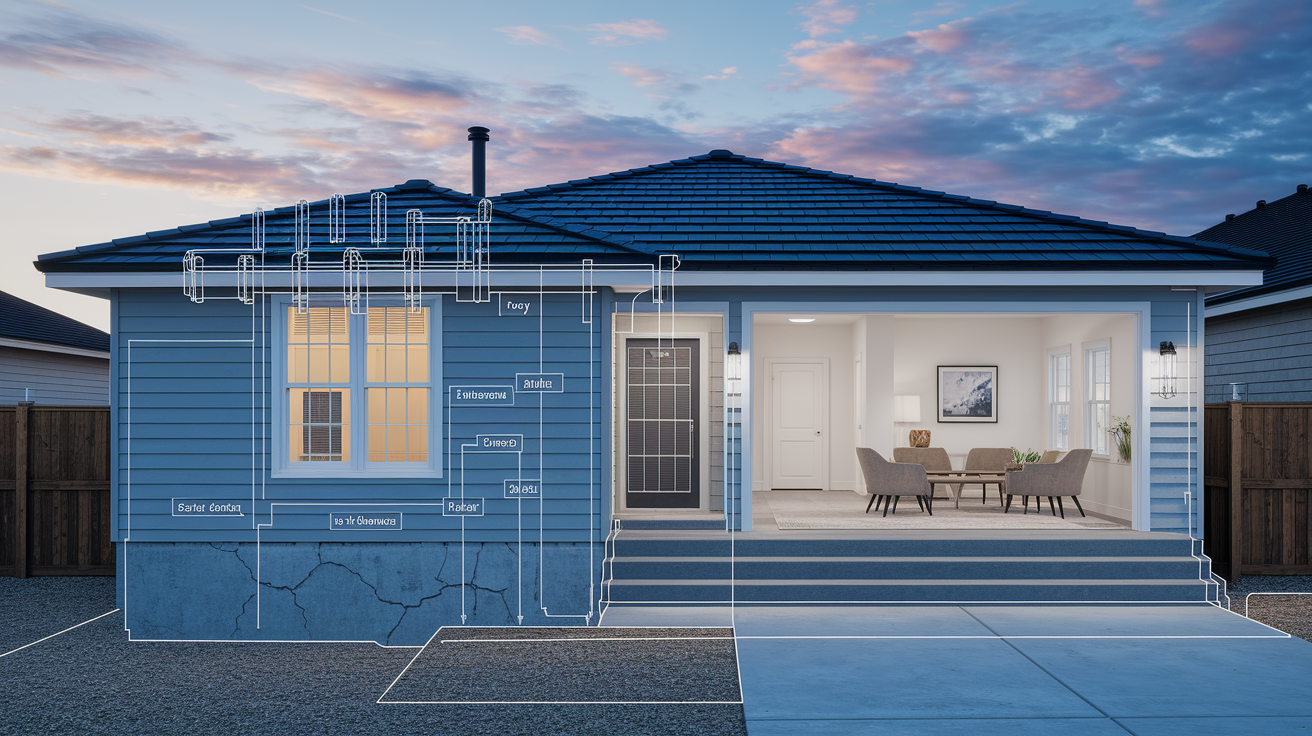
A BRRRR renovation checklist puts systems and structure first because your refinance appraisal and tenant habitability depend on it. The classic mistake? Painting before you check the foundation. Installing new countertops before you confirm the plumbing works. When you follow a step based checklist, you fix what matters for long term value first, then add the high ROI finishes that attract tenants and support your after repair value. Without a clear order, you’re looking at cost overruns, permit delays, and appraisal surprises that blow up your refinance math.
Systems first repairs include foundation inspection and stabilization, roof replacement or patching, HVAC replacement or service, electrical panel upgrades to code, and main line plumbing repairs. Safety compliance covers smoke and carbon monoxide detectors, GFCI outlets in wet areas, egress windows, handrails, and lead paint work practices for pre 1978 homes. ROI driven finishes focus on kitchens, bathrooms, flooring, interior paint, and curb appeal. The upgrades renters see immediately and appraisers credit in your ARV.
Here are the top 10 BRRRR renovation checklist items for single family homes:
- Structural integrity: foundation cracks, settling, water intrusion ($2,000 to $25,000+, 3 days to 4 weeks).
- Roof condition: replacement or patch ($5,000 to $12,000, 1 to 7 days).
- Mechanical systems: HVAC, electrical panel, plumbing main line ($3,500 to $8,000 for HVAC, $1,000 to $4,500 for electrical).
- Safety and code: smoke/CO detectors, GFCIs, egress windows, handrails ($50 to $500 total).
- Kitchen refresh: paint cabinets, new hardware, countertops, appliances ($3,000 to $12,000).
- Bathroom updates: fixtures, grout, ventilation, flooring ($2,000 to $8,000).
- Flooring replacement: luxury vinyl plank or laminate across main living areas ($2 to $5 per sq ft LVP).
- Interior paint: full home repaint in neutral tones ($1,200 to $3,500 for 1,000 to 1,800 sq ft).
- Curb appeal: landscaping, front door, mailbox, exterior lighting ($200 to $3,000).
- Documentation and appraisal prep: permits, invoices, before/after photos, rent comps.
This checklist ties directly into your refinance because lenders appraise based on condition, comparable sales, and rental income. If you skip structural repairs or fail to document permitted work, the appraiser may discount your ARV or flag safety concerns that delay closing. A complete, ordered checklist protects your refinance margin and gets the property rent ready the day you need a tenant to occupy for appraisal.
Buy Phase Due Diligence Checklist for BRRRR Renovations

Your BRRRR deal starts before you write an offer. Calculating after repair value accurately protects your refinance feasibility and keeps you from overpaying on the buy side. Pull 3 to 6 comparable sales from the past six months in the immediate neighborhood. Same bed/bath count, similar square footage, similar condition post rehab. Adjust comps for differences in garage, finishes, lot size, and location. Your target ARV is the midpoint or conservative end of those adjusted comps. Then apply the 70 percent ARV rule: purchase price plus total rehab budget should not exceed 70 percent of ARV. For example, if ARV is $200,000, your maximum all in cost is $140,000 to leave margin for refinance fees, holding costs, and profit.
Once you have an ARV target, run the buy phase due diligence checklist to confirm the deal holds up. Verify zoning allows single family rental use and check whether permits are required for your planned scope. Structural, electrical, plumbing, and mechanical work typically need permits, with turnaround times of 1 to 4 weeks. Research the property’s age. Homes built before 1978 require EPA RRP certified contractors when you disturb more than 6 square feet of interior or 20 square feet of exterior lead based paint. Pull rent comps from local listings and property management companies to estimate post rehab rent. A quick feasibility check is whether monthly rent falls between 0.8 and 1.2 percent of ARV. So a $150,000 ARV property should rent for roughly $1,200 to $1,800 per month. Walk the property with at least two contractors to get rough scope and budget estimates before you close. Finally, estimate carrying costs during rehab at $500 to $2,500 per month, covering mortgage interest, taxes, insurance, and utilities, and add that to your total project budget.
Your buy phase checklist includes:
- Comparable sales analysis for ARV (3 to 6 recent sales, adjusted for condition and features).
- Zoning and permit requirements (confirm residential rental use, identify permit scope and timeline).
- Lead paint and asbestos history (pre 1978 age triggers RRP rules, test if planning demo).
- Rent comps and cash flow screen (target rent approximately 0.8 to 1.2% of ARV, verify with local data).
- Contractor walkthrough and preliminary budget (minimum two bids to validate rehab estimate).
- Estimated holding costs (mortgage, taxes, insurance, utilities, plan $500 to $2,500/month for 2 to 6 months).
BRRRR Rehab Priority Checklist: Systems, Structure, and Safety
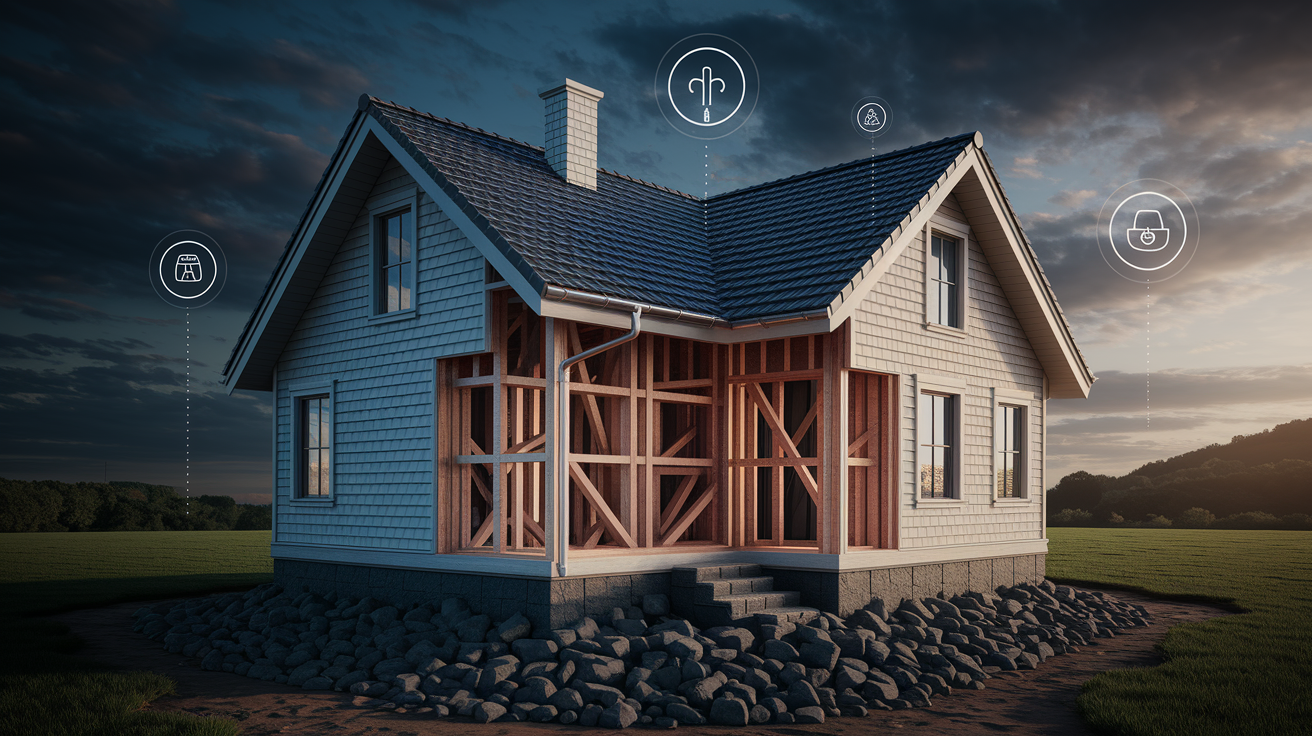
Fix the bones before you paint the walls. The systems first rehab order starts with foundation and structural issues because nothing else matters if the house is settling or water is coming through the basement. Foundation repairs range from $2,000 for minor crack sealing to $25,000 or more for underpinning or major stabilization, with timelines of 3 days to 4 weeks depending on severity. Next comes the roof. Replacement costs $5,000 to $12,000 for a typical single family home and takes 1 to 7 days. Even minor leaks must be patched immediately to prevent interior damage during construction. After you secure the envelope, address mechanical systems: HVAC replacement runs $3,500 to $8,000 and takes 1 to 3 days, an electrical panel upgrade to modern code costs $1,000 to $4,500 and takes 1 to 7 days, main line plumbing, sewer lateral repair, or water heater replacement costs $600 to $2,500 and takes 1 to 3 days. These systems are expensive and time sensitive, so get them quoted and scheduled before any cosmetic work begins.
Safety and code compliance come immediately after systems. Install or verify smoke detectors in every bedroom and hallway, carbon monoxide detectors near sleeping areas, GFCI outlets in kitchens and bathrooms, handrails on stairs, and egress windows in basement bedrooms. Total cost for safety devices is typically $50 to $500. If your jurisdiction requires specific fire separation, ventilation, or accessibility features, complete those during the mechanical phase so inspectors can sign off before you close walls. Missing a code item discovered during final inspection can delay rent ready status by weeks and cost you holding expenses while you fix it.
Environmental hazards need professional assessment and remediation. Lead based paint in homes built before 1978 requires an EPA RRP certified contractor whenever you disturb more than 6 square feet of interior painted surface or more than 20 square feet of exterior. Sanding, scraping, or demo triggers the rule. Asbestos is common in older flooring, insulation, and popcorn ceilings. If you suspect asbestos, test before disturbing and hire a licensed abatement contractor if present. Mold from prior water intrusion must be cleaned and the source of moisture eliminated. Check behind drywall, under sinks, around windows, and in crawl spaces during your initial walkthrough. Skipping environmental due diligence exposes you to liability, tenant health complaints, and refinance appraisal flags.
| System/Item | Typical Cost & Timeline |
|---|---|
| Foundation repair (crack seal to underpinning) | $2,000–$25,000+; 3 days–4 weeks |
| Roof replacement | $5,000–$12,000; 1–7 days |
| HVAC replacement | $3,500–$8,000; 1–3 days |
| Electrical panel upgrade | $1,000–$4,500; 1–7 days |
Interior BRRRR Renovation Checklist: Kitchens, Baths, Floors, Paint
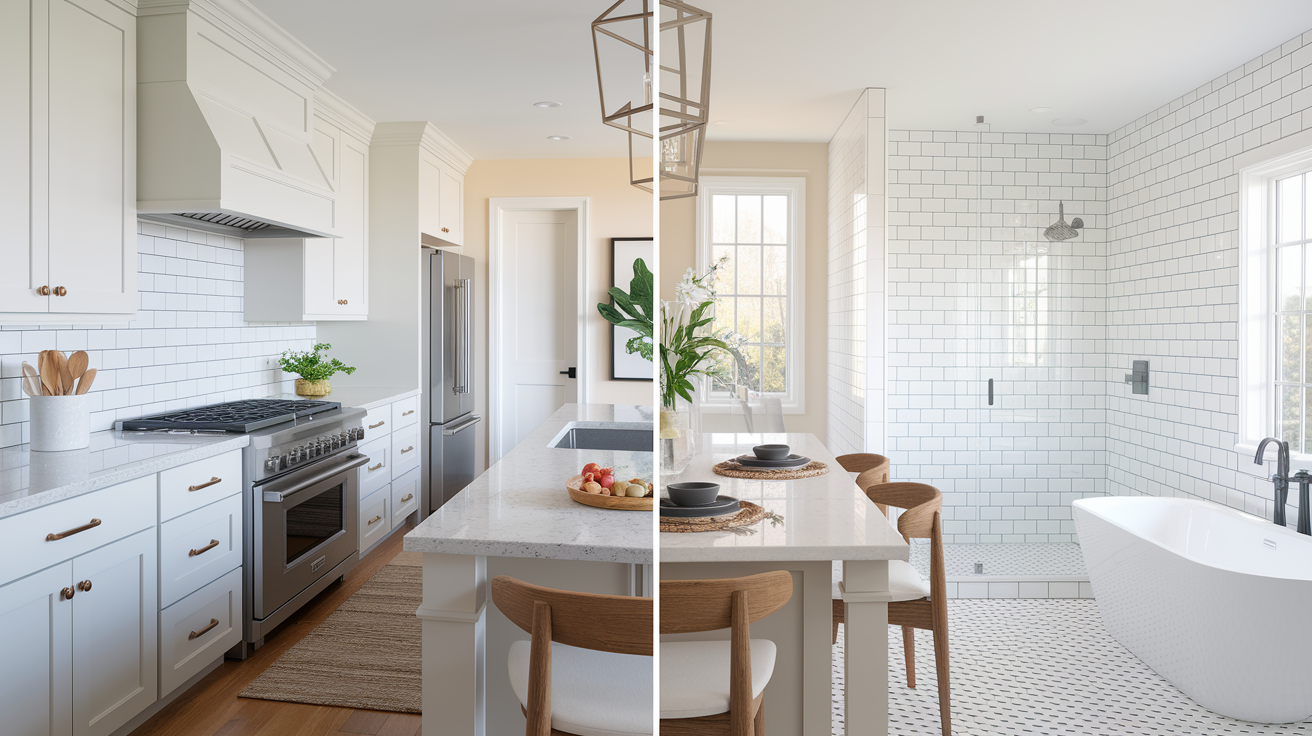
Kitchens and bathrooms drive appraisal value and tenant appeal, so prioritize them after systems are functional. A minor kitchen refresh (paint existing cabinets, replace hardware, install new countertops, and swap out old appliances) costs $3,000 to $12,000 and typically delivers higher percentage ROI than a full luxury remodel. Full gut kitchen remodels run $20,000 to $50,000 but risk over improving beyond neighborhood comps, which caps your refinance appraisal. For single family rentals, aim for durable, neutral finishes: laminate or quartz countertops, painted or refaced cabinets in white or gray, stainless or black appliances, and vinyl or tile flooring. Tenants care about function, cleanliness, and modern appearance more than high end materials, and appraisers credit condition and layout over granite and custom cabinetry unless the neighborhood supports it.
Bathrooms follow the same ROI logic. A refresh costs $2,000 to $8,000 and includes new vanity, faucet, toilet, mirror, lighting, grout repair, and a fresh coat of paint. A full bathroom remodel with new tile, tub or shower surround, and layout changes costs $8,000 to $20,000. For rentals, prioritize water resistance and easy maintenance. Use tile or luxury vinyl for flooring, install proper ventilation to prevent mold, re grout or replace worn grout, and make sure all fixtures are leak free. A clean, functional bathroom with good lighting and neutral finishes will rent quickly and appraise well without the cost of a showroom level remodel.
Five high ROI interior upgrades for BRRRR single family homes:
- Kitchen: paint cabinets, new hardware, laminate or quartz counters, stainless appliances ($3,000 to $12,000).
- Bathrooms: new vanity, faucet, toilet, grout repair, tile or LVP flooring ($2,000 to $8,000 per bath).
- Flooring: luxury vinyl plank throughout main living areas and bedrooms, durable, water resistant, cost $2 to $5 per square foot installed.
- Interior paint: neutral colors (gray, beige, white) on all walls and trim, budget $1,200 to $3,500 for 1,000 to 1,800 square feet.
- Lighting and fixtures: replace dated ceiling fans, light fixtures, door hardware, and cabinet pulls for a modern look ($200 to $1,200 total).
Exterior & Curb Appeal Checklist for BRRRR Rentals

Curb appeal influences both appraisal and how fast you lease the property. Appraisers compare your home to neighborhood sales, and a neglected exterior with peeling paint, overgrown landscaping, or broken gutters signals deferred maintenance that can lower your ARV by thousands of dollars. Simple exterior improvements cost $200 to $3,000 and include mowing the lawn, trimming shrubs, planting grass seed or sod, cleaning walkways, repainting the front door and trim, replacing the mailbox, and adding exterior lighting. Power wash siding, remove outdated awnings or shutters, and repair or paint fences and gates. These tasks take days, not weeks, and create an immediate positive impression for appraisers, prospective tenants, and neighbors.
Gutters and drainage are functional curb appeal. Clean gutters, install downspout extensions to direct water away from the foundation, and regrade soil if water pools near the house. Gutter and drainage repairs cost $500 to $6,000 depending on scope and prevent foundation water intrusion that leads to expensive structural repairs later. Exterior paint refresh runs $1,500 to $6,000 for a typical single family home and takes 3 to 7 days. Focus on trim, doors, and highly visible areas if a full repaint is out of budget. Replace broken or drafty windows only if they fail inspection or significantly hurt energy efficiency. Window replacement is expensive and often not justified by rental ROI unless you’re in a premium market.
Contractor Hiring & Scope of Work Checklist for BRRRR Rehabs
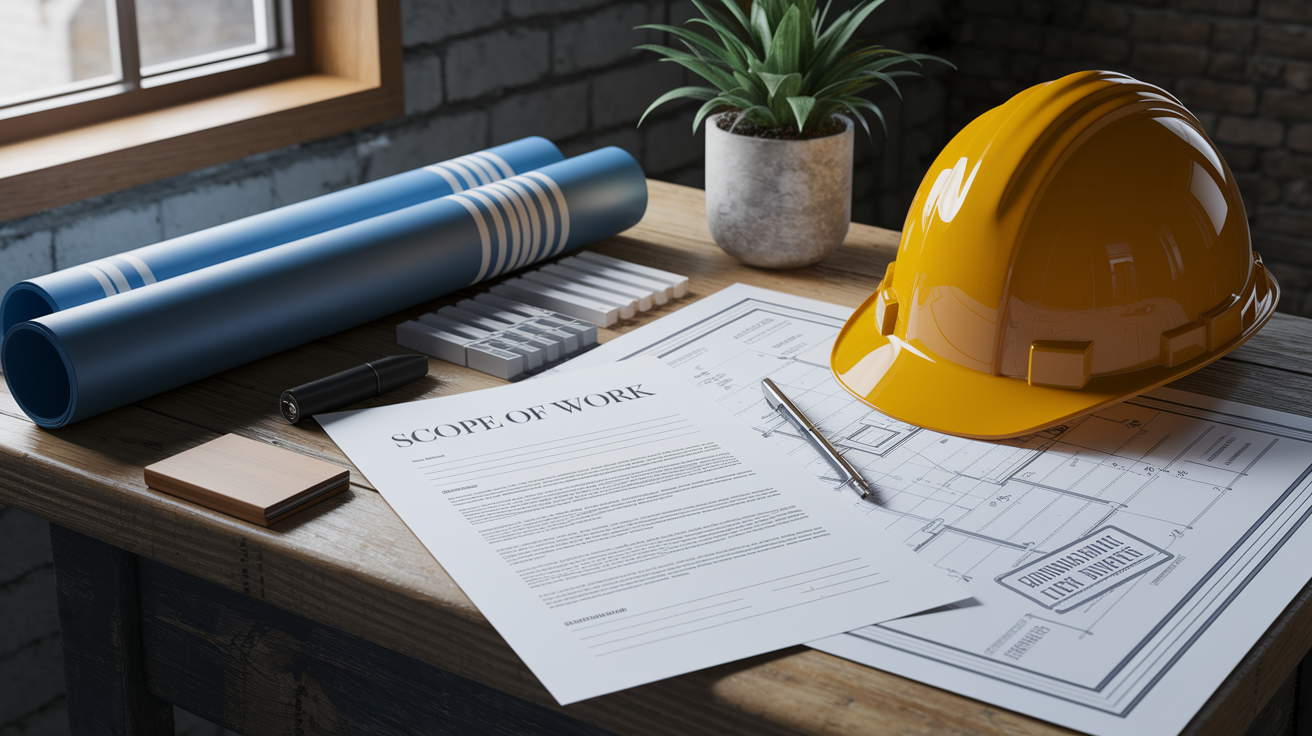
Hiring the wrong contractor costs you time, money, and refinance delays. Start by requiring a valid contractor license in your state, proof of general liability insurance with at least $1,000,000 coverage, and workers’ compensation insurance if your state mandates it. Get a minimum of three bids for any project over $5,000, and ask each contractor for references from at least three recent projects similar to yours. Single family rehabs, not new construction or commercial work. Call those references and ask about timeline performance, change order transparency, cleanup, and whether they’d hire the contractor again. Verify the contractor has a history of pulling permits and passing inspections in your jurisdiction. Contractors who avoid permits create liability and appraisal problems for you at refinance.
Use a fixed price contract or a clearly itemized time and materials contract with a not to exceed cap. The contract must include full scope of work, materials specifications, start and completion dates, payment schedule tied to milestones, and a retainage clause holding back 10 to 15 percent of the total price until final inspection and lien waiver. Never pay the full amount upfront or allow progress payments to run ahead of work completed. Require signed lien waivers from the general contractor and all subcontractors at each payment milestone to protect your property from mechanic’s liens. If a contractor refuses to provide lien waivers or resists a written contract, walk away.
Six contractor must haves for BRRRR projects:
- Valid state contractor license and proof of at least $1,000,000 general liability insurance.
- Three recent project references with verified contact information, call and ask about performance.
- Fixed price or itemized contract with full scope, timeline, and materials specs.
- Payment schedule tied to milestones (e.g., 10% deposit, 40% at rough in, 40% at substantial completion, 10% final after inspection).
- Retainage of 10 to 15% held until final sign off and submission of lien waivers.
- Demonstrated history of pulling permits and passing inspections in your city or county.
BRRRR Renovation Budgeting, Material Choices, and Cost Controls

Your rehab budget structure starts with hard costs (labor and materials for construction) then adds soft costs like permits, inspections, loan fees, and holding expenses. Typical single family rehab budgets fall into three ranges: light cosmetic rehabs cost $5,000 to $25,000 and cover paint, flooring, minor updates, medium rehabs cost $25,000 to $75,000 and include kitchens, bathrooms, some mechanical work, full gut rehabs cost $75,000 to $200,000 or more and involve structural, systems replacement, and complete interior remodel. Soft costs add another 5 to 15 percent of the project total for permits, appraisals, inspections, loan origination, and title work. Always include a contingency of 10 to 20 percent of your rehab budget, with a minimum contingency of $5,000 even on small projects, to cover hidden issues like outdated wiring, plumbing leaks behind walls, or foundation cracks discovered during demo.
ARV based budgeting helps you stay disciplined. Plan for your rehab to cost 10 to 20 percent of ARV to bring the property to market level condition without over improving. For example, if your ARV target is $150,000, budget $15,000 to $30,000 for rehab. Aggressive rehabs can run 20 to 35 percent of ARV but risk exceeding neighborhood comps and capping your appraisal below the money you invested. Cost saving tips include buying materials in bulk or during sales, using mid grade finishes that look good but cost less than premium options, and standardizing fixtures and finishes across multiple properties so you can negotiate contractor pricing and reduce decision fatigue. Avoid cheap materials that fail quickly. Luxury vinyl plank outlasts peel and stick tile, and a quality faucet costs $20 more than a builder grade model but lasts years longer in a rental.
| Upgrade Category | Typical Cost Range |
|---|---|
| Flooring (LVP, laminate, or hardwood per sq ft installed) | $2–$12 |
| Interior paint (1,000–1,800 sq ft home) | $1,200–$3,500 |
| Kitchen refresh (paint cabinets, counters, hardware, appliances) | $3,000–$12,000 |
| Bathroom refresh (vanity, fixtures, grout, flooring) | $2,000–$8,000 |
| Appliances (range, refrigerator, dishwasher) | $1,000–$4,000 |
Add 15 to 30 percent to your timeline estimate as a schedule buffer for permit delays, weather, material backorders, and hidden defects discovered mid project. A light cosmetic flip might take 1 to 4 weeks on paper but realistically needs 2 to 5 weeks. A partial rehab with kitchen, bath, and flooring runs 4 to 8 weeks in theory but plan for 6 to 10 weeks. Full gut rehabs take 8 to 16 weeks or longer depending on scope and inspections. Buffer time protects your carrying cost budget and keeps you from rushing finish work or skipping final inspections to meet an artificial deadline.
Permit, Inspection, and Compliance Checklist for BRRRR Properties
Pull permits for any work that affects structure, electrical, plumbing, mechanical systems, or major remodels like adding or removing walls. Permit costs range from $200 to $2,000 depending on jurisdiction and scope, with turnaround times of 1 to 4 weeks. Unpermitted work discovered during appraisal can delay your refinance or force expensive correction and re inspection. Some lenders require a certificate of occupancy or final inspection sign off before they’ll refinance, so confirm your lender’s requirements early and schedule inspections as soon as work is complete.
Lead paint compliance is non negotiable for homes built before 1978. EPA RRP rules require an RRP certified contractor whenever you disturb more than 6 square feet of interior painted surface or more than 20 square feet of exterior painted surface during renovation. Violations carry fines of up to $37,500 per day, and tenant lawsuits for lead exposure are expensive and public. If you’re doing the work yourself or hiring a handyman, either get RRP certified or document that all disturbed areas tested negative for lead. Safety devices like smoke and carbon monoxide detectors, GFCI outlets, handrails, and egress windows are code requirements in most jurisdictions and cost $50 to $500 total to install. There’s no excuse to skip them.
Five permit and compliance checklist items:
- Confirm permit requirements for electrical, plumbing, structural, and mechanical work before starting, budget $200 to $2,000 and 1 to 4 weeks turnaround.
- Hire EPA RRP certified contractor for pre 1978 homes when disturbing painted surfaces (>6 sq ft interior or >20 sq ft exterior).
- Install code compliant smoke detectors in bedrooms and hallways, CO detectors near sleeping areas, and GFCI outlets in kitchens and bathrooms.
- Schedule final inspections promptly and obtain certificate of occupancy or sign off letter for lender refinance documentation.
- Document all permitted work with copies of permits, approved inspection reports, and contractor contact information for appraisal file.
Rent Ready BRRRR Checklist and Tenant Habitability Items

A property is rent ready when all systems work, safety devices are installed, the interior is clean and durable, and basic tenant expectations are met. Minimum habitability requirements include functional HVAC that heats and cools to local code standards, a working water heater delivering hot water to all fixtures, plumbing with no leaks or clogs, electrical service with no exposed wiring or tripped breakers, and clear paths of egress from all bedrooms. Smoke detectors must be installed in every bedroom and hallway, carbon monoxide detectors near sleeping areas, and all exterior doors must have working deadbolt locks. Recommended turnover target from rehab completion to rent ready is 7 to 21 days, including final cleaning, locksmith service, utility activation, and pre listing photos.
Interior rent ready tasks focus on cleanliness and durability. Paint all walls and trim in neutral colors with no visible marks or damage. Replace or refinish flooring in high traffic areas so it’s clean and free of stains, tears, or broken planks. Make sure all appliances are functional. Range burners heat, oven bakes evenly, refrigerator cools, dishwasher runs through full cycle. Test all faucets, toilets, and showers for leaks and proper drainage. Replace any cracked outlet covers, broken light switches, or missing door hardware. Clean windows inside and out, wipe down cabinets and counters, vacuum and mop floors, and remove all construction debris and dust.
Seven rent ready checklist items:
- HVAC system operational with new filter, thermostat programmed and tested for heating and cooling.
- Water heater functional, temperature set to 120°F, no leaks at connections or pressure relief valve.
- All plumbing fixtures leak free, drains clear, toilets flush properly, no water stains on ceilings or walls.
- Electrical panel labeled, all outlets and switches functional, GFCI outlets tested in kitchen and bathrooms.
- Smoke and carbon monoxide detectors installed per code with fresh batteries, test buttons verified.
- Working appliances in kitchen, range, refrigerator, dishwasher cleaned and operational, user manuals provided.
- Exterior locks re keyed, provide tenant two sets of keys, exterior lighting operational, address numbers visible from street.
Refinance Phase Checklist for BRRRR Appraisal and Documentation
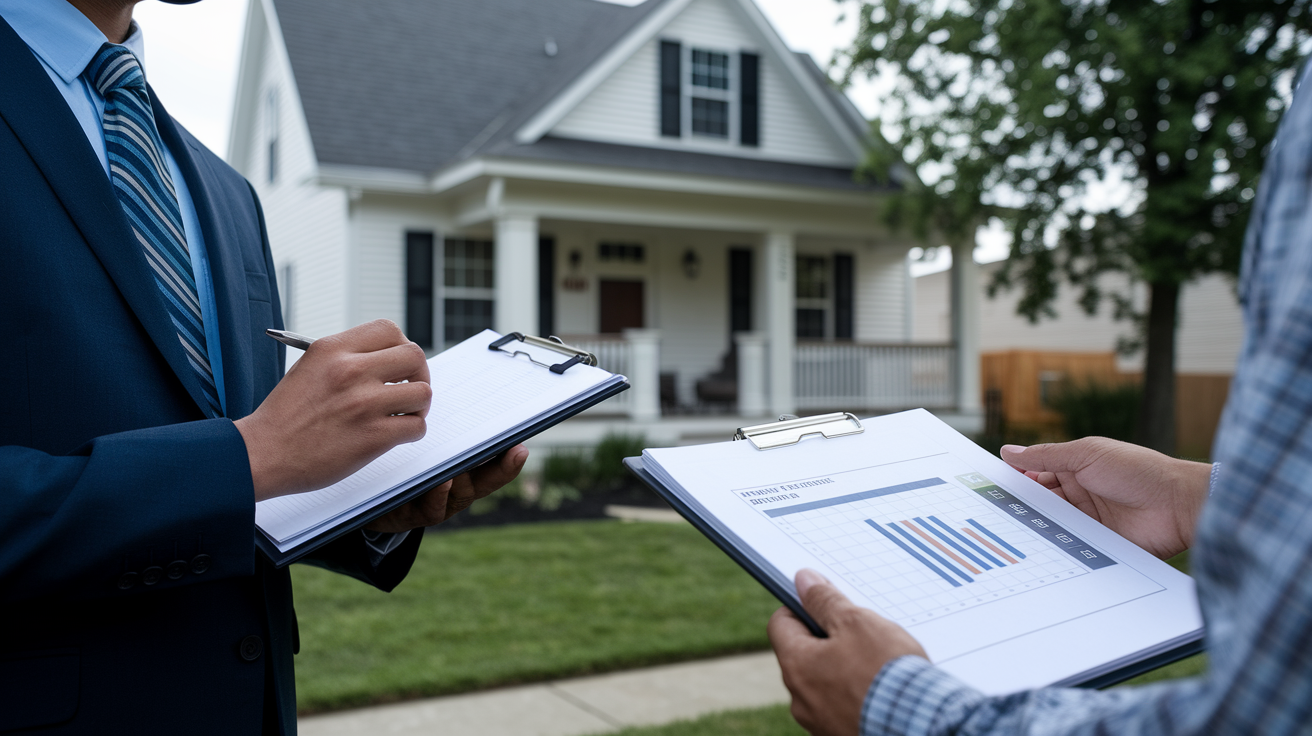
Lenders refinance based on your property’s appraised value, typically offering cash out loans at 75 to 80 percent of ARV. To maximize your appraisal, provide the appraiser a complete documentation package that proves the scope and quality of your rehab work. Include before and after photos with timestamps showing structural repairs, mechanical replacements, kitchen and bathroom updates, flooring installation, and exterior improvements. Collect all paid invoices from contractors and material suppliers, copies of building permits and approved final inspection reports, contractor contact information, and a written scope of work summarizing what was replaced or upgraded. Add 3 to 6 comparable sales from the past six months and 3 to 6 rent comps showing market rents for similar homes in the neighborhood. This package helps the appraiser justify your ARV and prevents low appraisals caused by lack of information.
Refinance costs typically run $2,000 to $6,000, covering appraisal fees ($400 to $600), loan origination and underwriting fees ($1,000 to $3,000), title search and insurance ($800 to $1,500), and recording fees ($100 to $300). Plan these costs into your total project budget and confirm your lender’s seasoning requirements. Some lenders require you to own the property for 6 to 12 months before they’ll refinance based on appraised value instead of original purchase price. If your lender has a seasoning period, plan your rehab timeline and tenant placement accordingly so you can refinance as soon as you’re eligible.
Five refinance documentation checklist items:
- Before and after photos of all major work areas (foundation, roof, HVAC, electrical panel, kitchen, bathrooms, flooring, exterior).
- Paid invoices and receipts from all contractors and material suppliers, keep digital and paper copies.
- Copies of building permits and final inspection sign off or certificate of occupancy from local jurisdiction.
- Comparable sales report (3 to 6 recent sales) and rent comps (3 to 6 active or recent listings) to support ARV.
- Written scope of work summary and contractor contact list for appraiser to verify quality and scope of improvements.
Repeat Step: Scaling BRRRR Renovations Across Multiple Single Family Homes
Once you complete one successful BRRRR, the repeat step depends on standardizing your renovation process so you can move faster and reduce decision fatigue. Create template scopes of work for light, medium, and full rehabs with itemized line items and unit costs based on your actual project data. Maintain relationships with at least three preferred contractors across key trades (general contractor, electrician, plumber, HVAC tech) so you can get bids quickly and schedule work without long lead times. Track key performance indicators on every project: days from purchase to rehab start, days to substantial completion, cost variance percentage versus budget, days from completion to tenant placement, and days from tenant placement to refinance closing. Use this data to refine your budgets, timelines, and contractor selection for the next property.
Scaling means you stop reinventing the process each time. Use the same paint colors, flooring material, cabinet hardware, light fixtures, and appliance package across all your properties so you can buy in bulk, negotiate contractor pricing, and train your team on a repeatable standard. Document your process in checklists and templates: buy phase due diligence, contractor bid comparison worksheet, rehab priority list, rent ready punch list, refinance documentation folder. So anyone on your team can follow the system without waiting for your input on every decision. The goal is to turn BRRRR from a one time project into a repeatable acquisition and renovation system that generates consistent cash flow and equity with each cycle.
Final Words
You’re standing in the house with a clipboard and a contractor, and this checklist keeps the rehab from unraveling.
We covered buy-phase due diligence, systems-first repairs, interior and exterior ROI items, contractor hiring, budgeting and permits, rent-readiness, appraisal prep, and how to scale the work.
Use the BRRRR renovation checklist for single-family homes as your one-page road map: quick screens, priority order, documentation to prove value, and a contingency guardrail. Do one controlled project, learn, then scale with confidence.
FAQ
Q: What is the 70% rule for BRRRR and how does the 70/30 rule in real estate relate?
A: The 70% rule for BRRRR means purchase price plus rehab should be ≤ 70% of After Repair Value (ARV), leaving room for costs and profit. The “70/30” phrase isn’t standard—verify its meaning in context.
Q: How much money do I need to BRRRR?
A: How much money you need to BRRRR depends on the deal: rehab ranges light $5k–$25k, medium $25k–$75k, full gut $75k–$200k+, plus 10–20% contingency and holding/closing costs.
Q: What should I prioritize in a home renovation?
A: What to prioritize in a home renovation is systems-first: address foundation, roof, HVAC, electrical, and plumbing, then safety/code items, and finally high‑ROI finishes like kitchens, baths, durable flooring, and paint.