
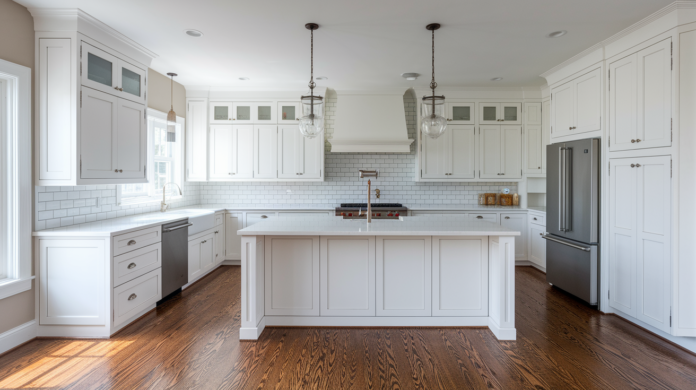
Think a cheap paint job will raise your appraisal? Think again.
Appraisers only count what they can see and what they can back up with nearby sold comps.
On BRRRR deals, the smartest money goes into visible, functional updates that match or slightly beat neighborhood standards.
Kitchen and bath refreshes, neutral new flooring, curb appeal fixes, and key system updates often give the biggest appraisal lift per dollar.
Do them in the right order and you protect your refinance, cash-out, and upside.
High-ROI Renovations That Boost BRRRR Appraisal Outcomes

Appraisers care about what they can see and what they can back up with sold comps. In BRRRR deals, forced appreciation happens when you put money into updates that an appraiser can verify and attach a dollar figure to during the refinance appraisal. The projects that work best share three traits. They’re visible. They fix something broken or outdated. And they match (or just barely beat) what nearby sold homes already have.
When you pick renovations that check all three, you’re stacking the deck in your favor for a higher after-repair value.
These upgrades move the needle because they bump your property into a better condition category and give the appraiser real reasons to use stronger comps. If your rehab takes a tired 1980s property and brings it current with an updated kitchen or new flooring, the appraiser can pull recently sold homes that also have those features. That’s how forced appreciation converts to ARV. The appraiser isn’t making it up. They’re matching your improvements to actual sale prices down the street.
Top upgrades that consistently deliver appraisal value without blowing your budget:
- Kitchen refresh: cabinet paint or reface, new hardware, mid-range countertops like quartz, updated appliances, modern sink and faucet.
- Bathroom modernization: new vanity and countertop, updated fixtures, re-grouted or replaced tile, better lighting, framed mirror.
- Flooring replacement: neutral luxury vinyl plank or engineered hardwood throughout, fresh carpet in bedrooms if it makes sense.
- Curb appeal and exterior: new or repainted front door, garage door replacement, fresh exterior paint, clean landscaping with mulch and edging.
- Mechanical and system updates: HVAC service or replacement, updated electrical panel if it’s outdated, plumbing fixture upgrades, water heater replacement if it’s near the end.
- Interior paint: neutral whole-house paint in current colors, updated trim and baseboards where needed.
Start with anything that fixes a functional issue or looks really bad. Then add cosmetic improvements that help your property compete with the best recent sales nearby. When you match neighborhood expectations without going overboard, you capture the most appraisal value per dollar you spend.
Cost Breakdown of Common BRRRR Renovations

Knowing what renovations typically cost helps you build a realistic budget and avoid getting blindsided mid-project. Regional labor rates and material costs create variation, but national averages give you a solid starting point for modeling forced appreciation. Most BRRRR investors try to spend enough to justify a real ARV bump without pushing total rehab costs so high that the refinance cash-out doesn’t cover the investment.
Matching costs to projected ARV gains means comparing your planned spend to the difference between purchase price and target ARV. If comps support a $50,000 appraisal increase and your rehab budget is $30,000, you’re in good shape. If the budget climbs to $45,000 and the ARV spread stays at $50,000, you’ve left less cushion for closing costs, holding expenses, and cash-out goals.
Run the numbers before you commit to expensive projects. Always pressure-test your ARV assumption by checking recent sold comps in similar condition.
| Upgrade Type | Typical Cost Range | Notes |
|---|---|---|
| Minor kitchen remodel | $8,000–$20,000 | Cabinet paint/reface, quartz counters, mid-range appliances, hardware, sink/faucet |
| Bathroom update | $4,000–$12,000 | New vanity, fixtures, tile work, lighting, mirror; full gut-remodel costs significantly more |
| Flooring (LVP or engineered hardwood) | $2–$6 per sq ft installed | Higher end for hardwood or complex layouts; LVP often $2–$4/sq ft |
| Exterior improvements | $1,500–$8,000 | Garage door $4,000–$4,500, entry door $2,000–$2,500, paint/landscaping $500–$3,000 |
| Mechanical systems | $3,000–$10,000 | HVAC service/replacement, electrical panel upgrade, water heater, plumbing fixture updates |
How Appraisers Evaluate Rehabbed BRRRR Properties

Appraisers assign condition and quality ratings based on what they see during the property visit. Condition ratings usually run from poor to excellent. Quality ratings reflect the level of materials and finishes, builder-grade, mid-range, or high-end. When you upgrade kitchens, baths, flooring, and mechanicals, you’re moving the property up the condition scale and sometimes into a higher quality bracket.
That shift matters because the appraiser uses these ratings to filter which comparable sales are appropriate. A property rated “good” condition can be compared to other “good” or better homes. A “fair” or “poor” rating forces the appraiser to use lower-value comps or apply negative adjustments.
Updated systems and fixtures directly affect how the appraiser sees overall condition. A new HVAC system, modern electrical panel, recent water heater, and updated plumbing fixtures signal that the property’s been maintained and won’t need immediate capital expenditures. Appraisers note these improvements in their report, and lenders see reduced risk. Even if the appraiser doesn’t add line-item value for every system update, the combined effect often pushes the final valuation higher because the property competes better with recently sold homes that also have current mechanicals and finishes.
Comparable sales and market adjustments are the foundation of the appraisal. The appraiser picks three to six recently sold properties that closely match your subject property in size, age, style, and location. Then they apply dollar adjustments for differences, like an extra bathroom, finished basement, or updated kitchen. If your rehab brought the property in line with or slightly above the comp set, the appraiser has less reason to apply negative adjustments and more reason to use the higher end of the comparable range. That’s how smart renovations convert into measurable ARV increases during the refinance appraisal.
Selecting and Analyzing Comparable Properties

A strong comparable property is similar in location, size, age, style, and condition. Appraisers favor sales within the last six months and within a half-mile radius, though they’ll expand the search if local inventory is thin. The closer the match on bedroom and bathroom count, square footage, lot size, and renovation level, the more weight that comp carries in the final valuation.
When you’re planning your rehab, pull recent sales in the neighborhood and look for homes that sold after kitchen and bath updates. Those are the comps you want your property to compete with.
Appraisal adjustments account for differences between your property and each comp. If a comparable home has an extra bathroom, the appraiser subtracts value from that comp to make it equivalent to your property. If your property has a recently updated kitchen and the comp doesn’t, the appraiser adds value to your property or subtracts from the comp. These adjustments are based on local market data and the appraiser’s judgment. When your rehab lines up with higher-value comps, the adjustments work in your favor and support a stronger ARV.
Things to check when choosing comps:
- Recent sale date: sales within the last three to six months carry the most weight.
- Proximity: closer properties are more relevant, appraisers prefer under half a mile.
- Similar square footage and bedroom/bathroom count: large differences require bigger adjustments and weaken comp strength.
- Renovation level and condition: updated kitchens, baths, and finishes should match the scope of your rehab to justify higher adjustments.
Rehab Prioritization for Maximum Return

Essential repairs come first because they protect financing eligibility and prevent appraisal red flags. If the roof leaks, the electrical panel is outdated or unsafe, the foundation has visible cracks, or the HVAC system doesn’t work, the appraiser will note these issues and the lender may refuse to close until you fix them. Start your rehab by tackling anything that affects structural integrity, safety, or habitability. This includes roof replacement or repair, electrical and plumbing updates to code, foundation stabilization, and HVAC repair or replacement.
These fixes don’t always produce the highest cosmetic return, but they remove deal-killers and set a solid baseline for everything else.
High-impact cosmetic updates come next and deliver strong value gains relative to cost. Focus on kitchens, bathrooms, flooring, and paint. The four areas that buyers and appraisers notice immediately. A minor kitchen remodel with painted cabinets, new hardware, quartz counters, and updated appliances often returns over 100 percent of cost at appraisal because it shifts the property into a higher comparable tier. A bathroom refresh with a new vanity, modern fixtures, and fresh tile can produce outsized returns. Neutral flooring throughout the main living areas and fresh paint in current colors create a “move-in ready” impression that supports higher appraisal value without pushing your budget into luxury territory.
Sequencing these updates correctly saves money and prevents delays. Tackle structural and mechanical work first so inspectors can sign off and you avoid rework. Then move to kitchens and baths, followed by flooring and paint. Finish with exterior curb appeal (landscaping, entry door, garage door, and exterior paint) right before the appraisal or listing photos. This sequence keeps finished surfaces from getting damaged during heavy construction, keeps your timeline predictable, and makes sure every dollar you spend contributes to a higher ARV without waste.
Avoiding Over-Improvement in BRRRR Projects
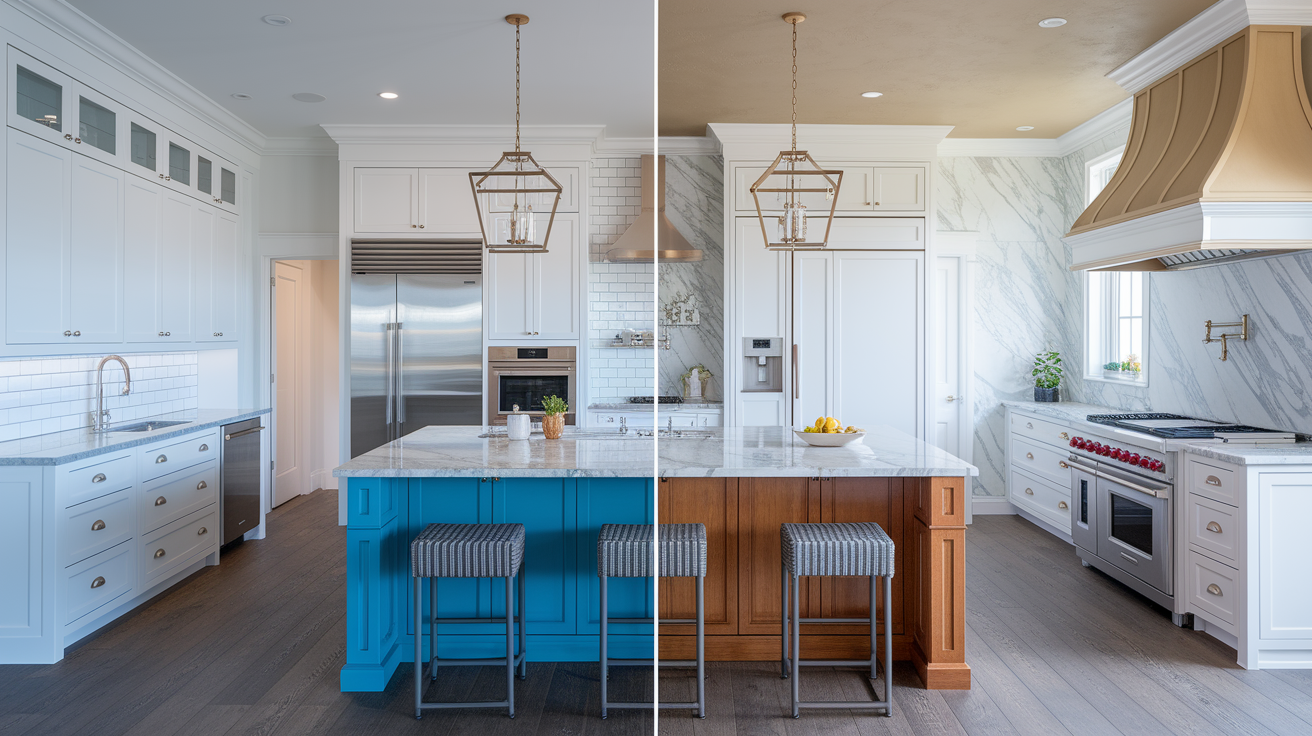
Over-improvement happens when your renovation costs push the property’s value above what comparable sales can support. If you install high-end finishes, luxury appliances, or custom features that exceed neighborhood standards, the appraiser has no local sales data to justify the added value. The result is an ARV that falls short of your expectations and a refinance that doesn’t return enough cash to cover your investment.
Neighborhood comparables set a value ceiling. Spending beyond that ceiling reduces your return on every marginal dollar.
Align your renovations with the top 10 to 20 percent of recently sold homes in the area, but don’t try to build the nicest house on the block. Pull sold listings, tour open houses, and talk to local agents to understand what finishes and features are standard versus premium in your target market. If most kitchens have laminate counters and builder-grade appliances, upgrading to quartz and stainless is smart. If you go further and install custom cabinets, high-end tile backsplashes, and luxury appliances, you’re over-improving.
Stick to mid-range materials that match or slightly exceed the norm. Save the budget for additional projects that offer better returns, like adding a second bathroom or finishing a basement if comps support the value increase.
Final Words
In the action: focus your rehab on the visible, high-impact items we covered, like kitchens, bathrooms, flooring, curb appeal, and essential systems, because appraisers weigh condition and recent comps heavily.
Match the scope to local comps, use the cost ranges and sequencing advice, and avoid over-improving so your numbers actually refinance.
Aim for cost-effective upgrades that increase appraisal value BRRRR. Do the right small list of fixes, keep reserves, and you’ll be set to refinance and scale with less risk.
FAQ
Q: What upgrades increase appraisal value? What upgrades add the most value to a home?
A: The upgrades that increase appraisal value and add the most value are updated kitchens and bathrooms, quality flooring, curb appeal (landscaping, siding), new mechanicals (roof, HVAC), and fresh paint, since appraisers favor functional, neighborhood‑matching improvements.
Q: What is the 3-3-3 rule in real estate?
A: The 3-3-3 rule in real estate most often means keeping three months’ mortgage reserves, a 3% contingency for unexpected rehab costs, and planning for about three months of vacancy as simple guardrails for investors.
Q: What are 10 home upgrades that are not worth the money?
A: Upgrades that are not worth the money include pools and hot tubs, overly custom kitchens beyond the neighborhood, luxury master suites, high‑end landscaping, exotic flooring, heated floors in mild climates, bespoke built‑ins, ornate molding, outdoor kitchens, and designer light fixtures.