
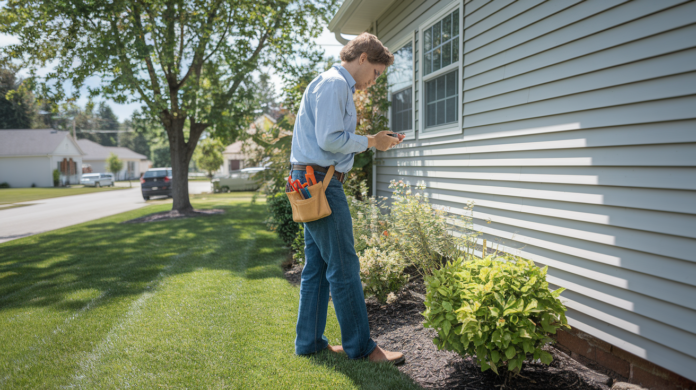
One small miss can kill your BRRRR refinance, so don’t let the appraiser find it first.
Before you call the appraiser, walk the property with a printed checklist.
Focus on the big-dollar items first: foundation and roof, HVAC/plumbing/electrical, safety and permits, then exterior and finishes.
This guide gives a clear, room-by-room inspector checklist and the key documents to have ready so you avoid delays, denials, or last-minute repairs.
Fix what you can and get permits or reports for the rest.
Complete BRRRR Pre‑Refinance Inspection Checklist (Start Here)

Before you call the appraiser who’s supposed to unlock your refinance cash, grab a printed checklist and walk the property. You’re hunting for anything that’ll delay your lender, trigger a code flag, or shave value off the appraisal.
Here’s the full pre-refinance list, sorted by where problems cost you the most:
Structural & Foundation
- Foundation walls clean, no big cracks, no water coming in, no visible shifting
- Floor joists and load-bearing walls solid and properly spaced
- Floors don’t sag or bounce too much. Laser level shows you’re within normal variance
- Crawl space or basement stays dry. Sump pump works if you’ve got one
- Vapor barrier laid in crawl space. No puddles
Roof & Attic
- Roof shingles good. No sag, nothing missing, no leaks
- Flashing sealed around chimneys, vents, valleys
- Attic vents work. Insulation hits the R-value your climate needs
- No water stains on attic wood or on ceilings below
Mechanical Systems
- HVAC serviced in the last year. Filter swapped. Thermostat runs
- Electrical panel labeled. No double taps. At least 100 amp service
- Water heater under 10 years old, model and serial visible, no rust or drips
- Plumbing fixtures don’t leak. Water pressure between 40 and 60 psi
- No polybutylene supply lines. Swap them for PEX, copper, or CPVC
Safety & Code
- Smoke detector in every bedroom and hallway
- Carbon monoxide detector within 10 feet of sleeping areas
- GFCI outlets in kitchen, bathrooms, garage, outside
- Handrails on stairs. Secure and code-compliant tread size
- Every bedroom has a code-legal egress window
Exterior
- Siding or brick intact. No rot, no big cracks, nothing missing
- Gutters and downspouts dump water at least 3 feet from the foundation
- Lot slopes away from the house, at least 4 to 6 inches over the first 10 feet
- Windows and doors work, lock, no broken glass or failed seals
- Driveway and walks safe. No trip spots
Interior Finishes
- Flooring solid. No gaps, stains, or buckling
- Walls and ceilings clean. No cracks, holes, or water stains bigger than 1 percent of the room
- Kitchen and bath fixtures run. Cabinets, counters, appliances functional
- Doors close. Trim and baseboards installed and painted
- Switches and outlets work in every room
Documentation & Lender Prep
- Before and after photos sorted by room
- Itemized invoices and receipts for all big systems and finishes
- Closed permits and inspector sign-offs for structural, electrical, plumbing, HVAC
- Lien waivers from your GC and major subs
- Tenant lease if occupied. Rent roll and income proof
- Comp list: 3 to 6 recent sales within half a mile to a mile
If you spot something on this list that’s broken, missing, or undocumented, fix it or get the paperwork ready before you schedule the appraiser. Small gaps eat days or weeks. Serious gaps can kill your refinance.
Structural and Foundation Review

Appraisers and underwriters put heavy weight on foundation and structure. Those problems cost tens of thousands to repair and they signal worse issues hiding underneath. If your foundation shows horizontal cracks wider than a quarter inch, active water seepage, or major settling, expect the lender to demand a structural engineer’s report before they’ll approve anything. That report delays closing two to four weeks and runs $500 to $1,500.
Walk your basement or crawl space with a flashlight and moisture meter. Look for water stains, efflorescence (the white crusty stuff), damp concrete. Check floor joists for rot, sag, or amateur fixes like stacked 2x4s with no real support. If you took out a load-bearing wall during your rehab, you better have the permit, the engineer’s stamped drawings, and the final inspection sign-off ready.
Common structural problems to handle before the appraisal:
- Horizontal or stair-step foundation cracks over 1/4 inch. Get a mason to evaluate and seal or reinforce
- Active water intrusion or standing water in the crawl. Install or fix the sump pump, extend downspouts, regrade the lot
- Sagging or bouncy floors. Sister joists or add blocking per code, then document with contractor invoice and photos
- Missing or busted support posts or beams. Replace and get engineer sign-off if load-bearing
- Moisture readings over 15 to 20 percent on wood framing. Find the source, fix the leak, let it dry, re-test
- Visible mold bigger than 10 square feet. Hire certified remediation and get the clearance report
If you find a serious structural problem after you’ve blown your rehab budget, don’t try to hide it. Get the specialist report, make the fix, present the paperwork. Lenders will often move faster on a completed repair with proper permits than they will on a property flagged with an unresolved structural issue.
Mechanical Systems Assessment

HVAC, plumbing, and electrical are the second-biggest underwriter concern after structure. A furnace that won’t kick on during the appraisal or an electrical panel with open knockouts and double taps can stop your refinance dead. Functional, code-compliant mechanicals also boost your appraised condition rating and push your final value higher.
Start with HVAC. Confirm it was professionally serviced in the past 12 months and you’ve got the invoice showing refrigerant charge, filter swap, any minor repairs. If your system’s over 12 to 15 years old, note the age on your docs. Some lenders will accept older systems as long as a licensed tech confirms current functionality. Replace the air filter, test the thermostat in heating and cooling, make sure all vents blow air. If you installed new during rehab, include the permit, installer license number, warranty docs, before and after photos.
For plumbing, test every fixture. Turn on faucets and check pressure. You want 40 to 60 psi. Look under sinks for drips or stains. Check your water heater and note the manufacture date on the label. Lenders prefer units under 10 years old. If you replaced any supply lines, confirm you used copper, PEX, or CPVC. Never polybutylene, which lots of lenders flag as uninsurable. Keep invoices for major plumbing work, especially sewer line fixes, backflow preventers, or repiping. If you’re in an older neighborhood with cast iron sewer laterals, consider a camera inspection before appraisal. A collapsed line found during due diligence can push your refinance back months.
Electrical systems have to meet minimum safety standards. Confirm your service panel is at least 100 amps. 200 is better and expected in most modern renovations. Open the panel cover and look for double-tapped breakers, exposed wiring, proper labeling for each circuit. Walk the house with an outlet tester and confirm GFCI protection in kitchens, bathrooms, garages, outdoor outlets. Check that bedrooms, hallways, and common areas have AFCI protection if your local code requires it. If you upgraded electrical during rehab, have the permit, licensed electrician invoice, and final inspection certificate ready. Unpermitted electrical work is one of the fastest ways to trigger an underwriting denial.
Safety and Code Compliance Factors Affecting Refinance
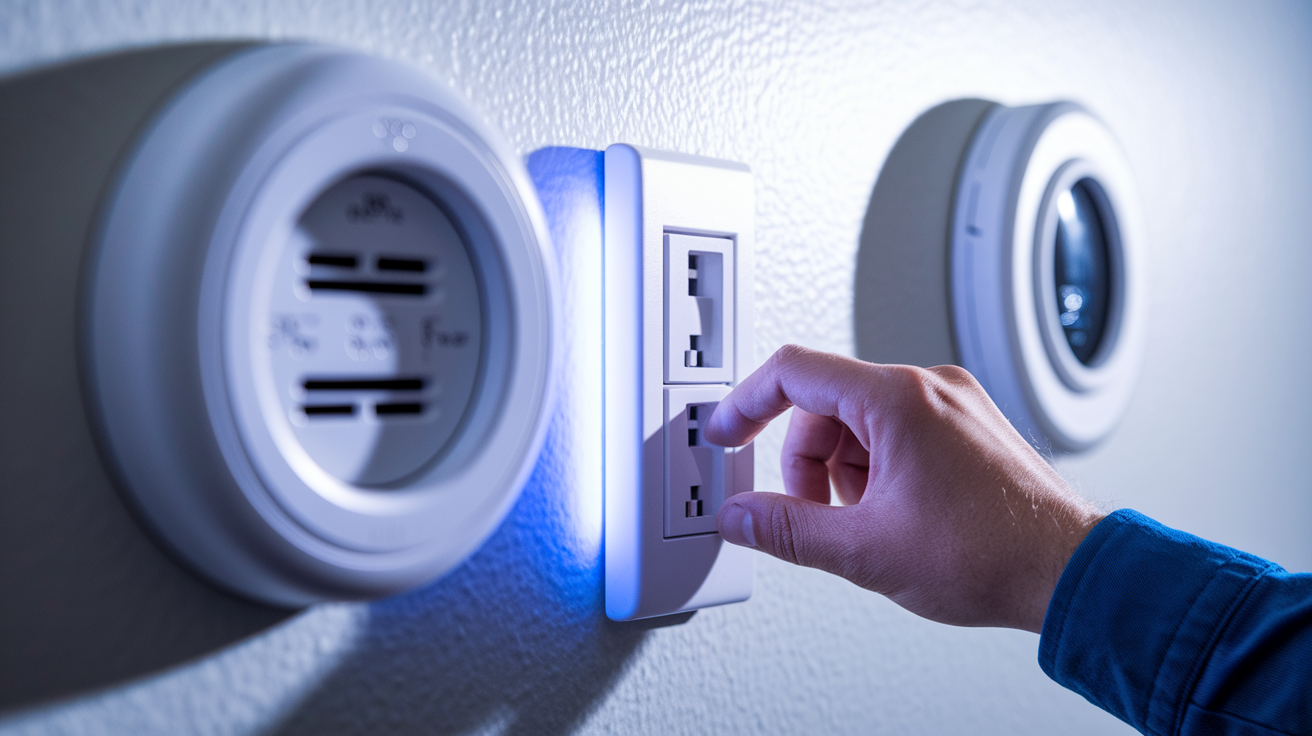
Lenders treat safety and code violations as immediate risk. Missing smoke detectors, no handrails, bedrooms without proper egress windows can trigger repair requirements that delay your refinance by weeks. Even minor stuff like a loose stair tread or a missing outlet cover signals sloppy workmanship and makes underwriters wonder what else is wrong.
Walk every bedroom and hallway with fresh batteries. Install or test smoke detectors. Code requires one in each sleeping room and one in the hallway outside. Install carbon monoxide detectors within 10 feet of bedroom doors, especially near furnaces, water heaters, or attached garages. If your jurisdiction requires hardwired detectors with battery backup, confirm installation and keep the electrician’s invoice. Test every detector before the appraiser shows up.
Check stairs and railings next. Handrails secure, code height, continuous. Stair treads uniform in depth with no crazy wear or trip spots. Measure egress windows in every bedroom. Most codes require at least 5.7 square feet of opening with a sill no higher than 44 inches. If you finished a basement and added bedrooms, confirm each has a compliant egress window or door and the framing was permitted and inspected. Unpermitted bedroom conversions are a top reason lenders refuse to count square footage or knock down the appraised value.
Exterior Condition and Curb Appeal Elements Appraisers Evaluate

Appraisers size up exterior condition in the first two minutes. Peeling paint, sagging gutters, overgrown landscaping signal deferred maintenance and usually drop your condition rating, even if your interior rehab is perfect. Exterior work also protects your investment. Poor grading or clogged gutters cause the foundation and moisture problems that cost real money later.
Start with your roof. Note the age and shingle type. Confirm nothing’s missing, curled, or obviously worn. If you replaced the roof during rehab, document the install date, contractor license, material warranty, before and after photos. Lenders want roofs with at least 10 to 15 years of life left. Walk the perimeter and check that gutters are clean, sloped right, downspouts dump water at least 3 to 6 feet from the foundation. If water pools near the house after rain, regrade or extend downspouts before appraisal.
Check siding, brick, and trim for cracks, rot, or missing pieces. Small cosmetic stuff like chipped paint on one board won’t stop a refinance, but large damaged areas or exposed sheathing will. Appraisers also note window condition. Confirm all windows open, close, lock. Replace cracked panes or failed seals that show interior condensation. Double-pane windows and recent exterior paint support higher condition scores.
Exterior repairs worth knocking out before appraisal:
- Replace missing or damaged roof shingles. Reseal flashing around chimneys and vents
- Clean and fix gutters. Extend downspouts away from foundation
- Touch up or repaint siding, trim, front door. Remove peeling or blistered sections
- Repair cracked walks or driveway sections that are trip hazards
- Clear overgrown plants from foundation walls and mechanical equipment. Trim trees away from roof
Spend a Saturday on exterior cleanup and quick fixes. Appraisers won’t ding you for normal wear, but visible neglect lowers your value and makes lenders nervous about the systems they can’t see.
Interior Condition and Finish Quality Review

Interior finishes directly influence your property’s condition rating and appraised value. Appraisers score flooring, walls, fixtures, appliances on a scale from poor to excellent. That rating affects which comps they pick and how they adjust for condition differences. A well-finished interior also tells underwriters your rehab was thorough and professional.
Walk every room looking for incomplete work or visible problems. Flooring should be intact with no big gaps, buckling, or stains covering more than a tiny percentage of the room. If you installed new flooring, keep samples and receipts to show material quality. Walls and ceilings clean. No cracks, holes, or water stains bigger than about 1 percent of the surface. Touch up paint, fix any drywall damage, confirm all trim and baseboards are installed and finished.
Kitchens and bathrooms carry the most weight in appraisal scoring. Check that all cabinets open and close smoothly, countertops sealed and free from major chips, appliances work. Test the garbage disposal, dishwasher, range, fridge if included. In bathrooms, confirm exhaust fans run, all fixtures deliver hot and cold water without leaks, grout is solid, caulk around tubs and showers is mold-free. Document any upgrades like new vanities, tile work, appliances with photos and receipts.
Interior features appraisers commonly evaluate and score:
- Flooring type and condition in each room
- Kitchen cabinets, countertops, appliance quality and age
- Bathroom fixtures, tile, ventilation
- Interior paint quality, wall texture, trim completeness
- Doors that close right with working hardware and locks
- Window treatments or quality of window frames and sills
- Light fixtures and outlets working
- Overall cleanliness, staging, no clutter or weird odors
Stage the property lightly before appraisal. Clean floors, wipe counters, ditch personal items, open blinds for natural light. A clean, uncluttered interior photographs better and signals you care, even if the appraiser never says a word about it in the report.
Documentation and Evidence to Prepare Before the Appraisal

Lenders and appraisers need documentation to verify your rehab scope, confirm code compliance, justify the appraised value you need to refinance. Organized, professional paperwork can be the difference between a smooth refinance and a 30 day scramble hunting down invoices or trying to reconnect with contractors for missing permit numbers.
Put your documentation packet together two to four weeks before you schedule the appraisal. Start with before and after photos organized by room or system. Include wide shots showing the full space and close-ups of major improvements like new HVAC units, electrical panels, kitchen installs. Appraisers appreciate visual proof. Clear photos help them assign higher condition ratings.
Collect itemized invoices and receipts for every meaningful repair or upgrade. Break down costs by category: roof, HVAC, plumbing, electrical, kitchen, bathrooms, flooring. The appraiser can see where your rehab budget went. Include contractor license numbers, W-9 forms, certificates of insurance for major trades. If you pulled permits for structural, mechanical, or finish work, hand over copies of the permit applications and signed final inspection reports. Closed permits prove code compliance and reduce lender liability worries.
| Documentation Type | Purpose | Required For |
|---|---|---|
| Before and after photos, itemized invoices, contractor licenses, W-9s | Proves scope and quality of rehab. Supports higher appraised value and condition rating | Appraisal and underwriting review |
| Closed building permits and final inspection certificates | Confirms code compliance for structural, electrical, plumbing, HVAC work | Lender underwriting. Often required to close refinance |
| Tenant lease, rent roll, 3 to 12 months bank statements or ledger | Verifies rental income for debt service coverage ratio and cash flow underwriting | Refinance income qualification when counting rental income |
If the property is tenant occupied, include a copy of the signed lease, current rent roll, proof of rental income. Bank statements showing deposits or a 12 month ledger. Lots of lenders require at least six months of documented rental income before they’ll count it toward your debt service coverage ratio. Prepare a short list of 3 to 6 comparable sales within half a mile, sold in the past three to six months, similar square footage and condition. Hand this list to the appraiser when they arrive. It won’t override their analysis, but it shows you understand the market and helps them locate strong comps quickly.
Final Words
You’re in the property, toolbelt ready, checklist in hand. This post gave a printable inspector checklist before refinance for BRRRR properties that covers structural, mechanical, safety, exterior, interior, and lender documentation.
Fix safety items and leaking systems first. Then document repairs with before-and-after photos, receipts, and permits so the appraiser sees the work.
Pressure-test your numbers and plan for surprises. Take these steady steps and the refinance stands a better chance — you’re set up to move forward.
FAQ
Q: What is the Brrrr checklist?
A: The BRRRR checklist is a printable list investors use before refinance: structural, mechanical, safety, exterior, interior items plus before-and-after photos, receipts, permits, and documentation lenders need to justify value.
Q: How does refinancing work in the Brrrr method?
A: Refinancing in the BRRRR method works by rehabbing the property, getting an appraisal on the improved value, then replacing the purchase loan with a new mortgage to pull out eligible equity for reuse.
Q: Do it yourself home inspection checklist?
A: A DIY home inspection checklist includes checking foundation, roof, HVAC, electrical, plumbing, windows, doors, flooring, smoke detectors, GFCIs, railings, drainage, and taking dated photos of any defects and repairs.
Q: What kind of loans can I get when I want to start the Brrrr method?
A: Loans for BRRRR include rehab loans (FHA 203(k), Fannie/Freddie Homestyle), conventional purchase/refinance mortgages, cash-out refinances, portfolio or private bridge loans and hard-money short-term financing, depending on credit and project scope.