

Kick tenants out to renovate? Often that’s the costly choice.
Keeping them in place protects the rent checks that make your refinance math work.
A phased renovation, starting with exterior work, then low-impact interiors, and finally short system swaps, lets you upgrade a unit while it stays occupied.
It’s not for every situation.
You still have to screen the tenant, respect habitability rules, and schedule short access windows.
But done right, phased work keeps cash flow steady and shortens the path to refinancing.
Core Principles for Renovating Occupied Units Within a BRRRR Strategy
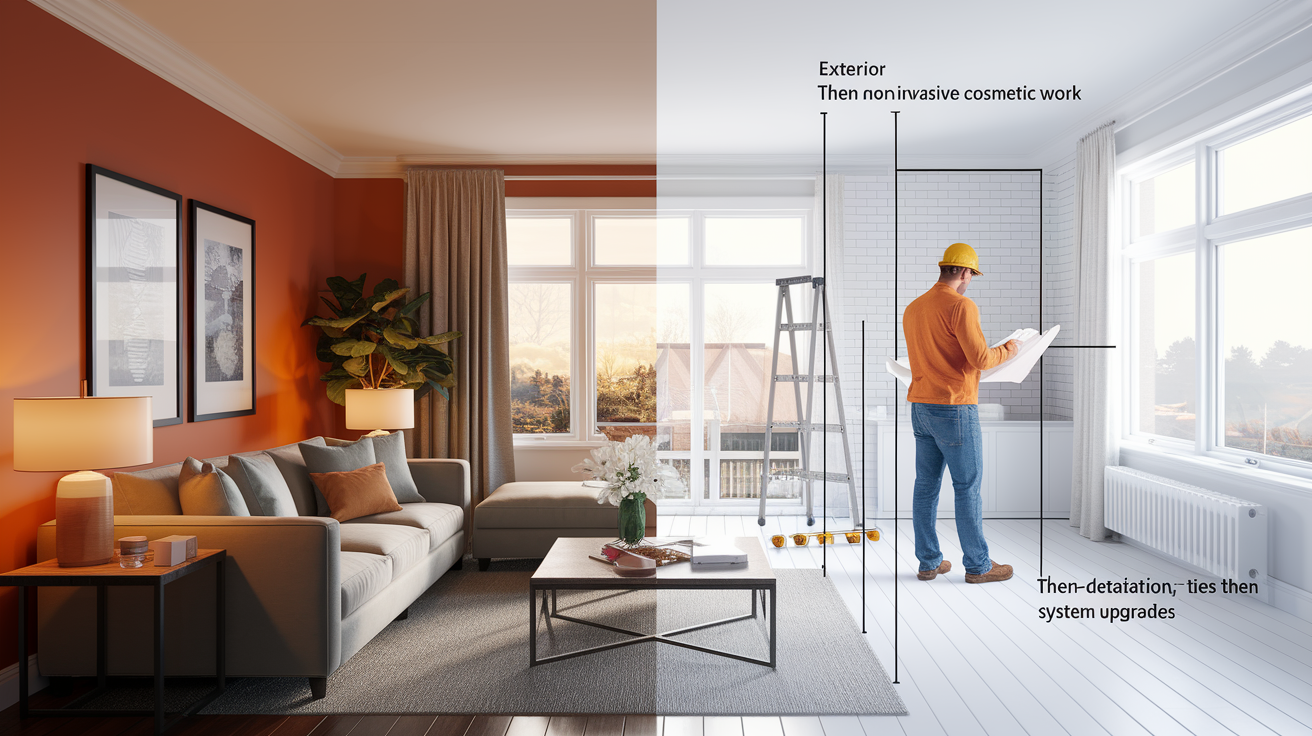
You can pull off BRRRR renovations without kicking tenants out. And honestly, keeping them in place protects the monthly cash flow that makes your refinance math actually work. Empty the property for three months to renovate? You’re burning rental income and might need a signed lease just to satisfy your lender when refinance time rolls around. Occupied renovations reduce vacancy, keep your income documentation clean, and leave the asset stabilized.
But not every tenant or job fits this path. Before you commit to working around people, you’ve got to figure out whether your current tenant can handle the noise and mess, and whether your scope even allows someone to stay there legally.
Start with your tenant. Cooperative tenant with nine months on the lease and solid payment history? Good candidate for phased work. Month to month renter who complains constantly or runs late on rent? That’s risky. If the relationship feels shaky, a small relocation incentive and a vacant renovation might cost you less in the long run.
Then look at your scope. Cosmetic stuff like paint, new flooring, lighting swaps, cabinet hardware? Safe with occupancy. Exterior improvements, landscaping, quick HVAC work? Manageable. Full kitchen teardowns, bathroom demo that kills water access for days, structural repairs, asbestos removal? Those violate habitability rules. Wait for vacancy or plan temporary relocation.
Habitability laws differ by state, but every jurisdiction protects running water, heat, electricity, and safe exits. If your plan cuts any essential service for more than a couple hours, you need alternatives or temporary housing.
The phased approach for occupied work looks like this:
- Complete exterior and structural work first. Siding, windows, roofing, foundation repairs that don’t need you inside.
- Move to non-invasive cosmetic updates next. Paint, flooring in low traffic rooms, lighting, minor fixture swaps.
- Schedule brief system upgrades. HVAC servicing, water heater swap, electrical panel work. Coordinate with the tenant to keep downtime short.
- Finish with final walkthrough and punch list. Touch up, clean, inspect. Ideally one visit.
- Document before and after condition. Photos and notes support your refinance appraisal and protect everyone if disputes pop up later.
Renovation Phase Breakdown for Occupied BRRRR Properties
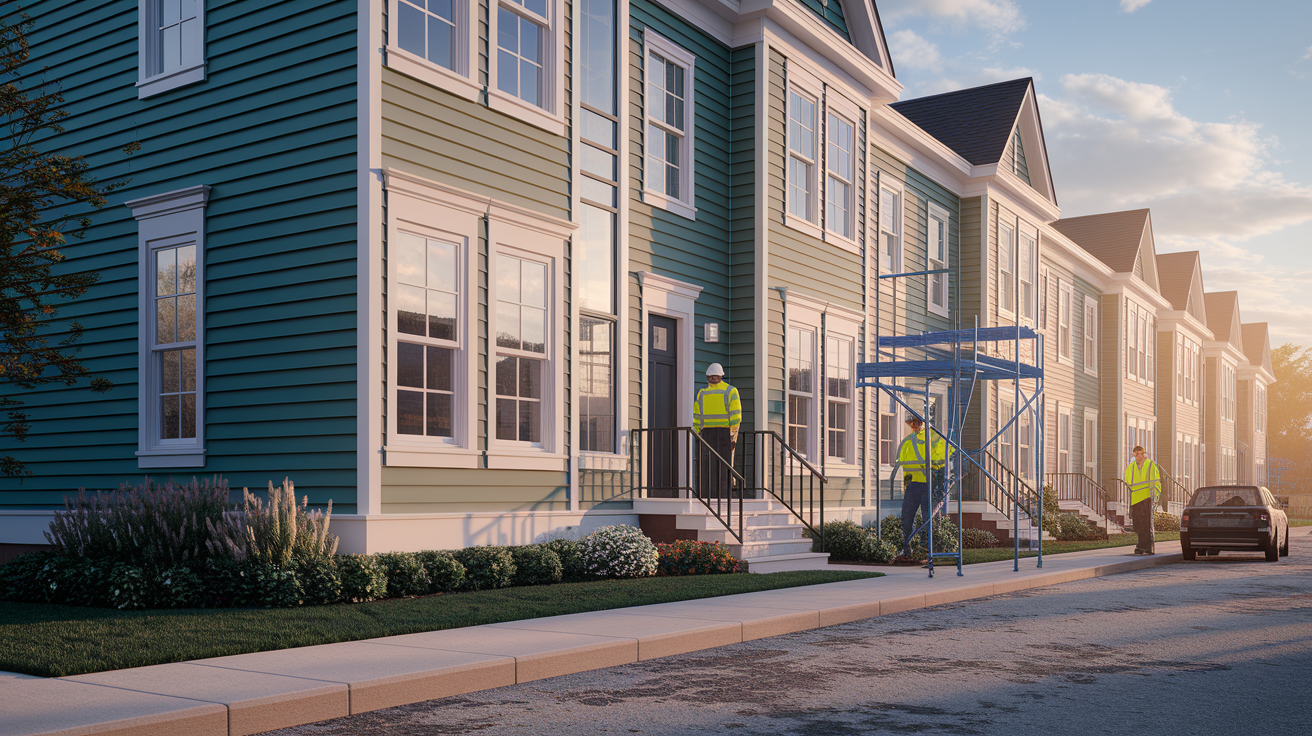
Phase 1: Exterior and common area improvements. Start where you don’t need interior access. Roof repairs, siding, window caulking, landscaping, driveway work, fence installs. Exterior improvements show up on appraisals and boost curb appeal without bothering tenants beyond occasional noise or a blocked driveway. If you’ve got a multi-unit building, knock out shared spaces like hallways and laundry rooms while individual units stay untouched. Getting exterior work done early also seals up the building envelope and keeps weather damage from messing with your interior phases.
Phase 2: Non-invasive interior cosmetic updates. Once the outside’s wrapped, move inside for low disruption cosmetics. Neutral paint, new flooring in bedrooms or living areas, light fixture swaps, updated cabinet hardware. These can get done in a day or two per room. Stage the updates one room at a time so the tenant can move furniture around and still use the rest of the unit. Don’t hit multiple rooms at once. That creates chaos and makes the place unlivable.
Phase 3: System upgrades requiring scheduled access. After cosmetics wrap, coordinate the stuff that needs temporary shutoffs or specialists. Water heater replacement, HVAC tune ups, electrical panel upgrades, minor plumbing fixes. Give tenants written notice at least 48 hours out with a tight time window. Two hour block during business hours works best. Keep shutoffs brief. Have backup plans if work runs long. Water heater swap takes longer than expected? Arrange bottled water or bathroom access in a nearby unit until service comes back.
Phase 4: Final walkthrough and punch list. When major work’s done, schedule a walkthrough with the tenant to handle touch ups, fix small defects, confirm everything’s clean and functional. This also gives you a chance to document the improved condition for your refinance appraisal. Take photos, update records, give the tenant a summary of what got done. Clean handoff cuts down on complaints and sets the property up for a strong appraisal when you apply for refinancing.
Tenant Communication Framework for In-Place Renovations

Clear written communication stops conflict before it starts and builds cooperation during occupied renovations. Most states require advance notice before you enter a rental, and renovation work is no different. Even if your state allows shorter windows, giving tenants a full week shows respect and reduces pushback. Written notices also leave a paper trail that protects you if things go sideways. A good notice explains what work happens, when contractors show up, how long access is needed, and what the tenant should do to prep. If work involves temporary service cuts, spell out the expected duration and offer alternatives.
Formal notices matter, but informal check ins help too. Quick text or call the day before reminds the tenant and gives them space to ask questions or flag concerns. Tenant works from home or has young kids? Offer to shift the work window. Small moves like that reduce stress and improve cooperation.
Templates help because they keep things consistent, especially if you’re managing multiple units or repeating this across your portfolio. A standard form saves time and cuts the risk of forgetting something important.
Good tenant messaging covers:
- Scope of work. Plain language description of what gets done, which rooms get touched, what the result looks like.
- Schedule and access details. Specific dates and time windows, start and end times, whether the tenant needs to be there or can leave a key.
- Safety and prep instructions. Guidance on moving furniture, securing pets, clearing work areas, precautions if dust or fumes are expected.
- Contact info and escalation path. Your phone number, contractor’s contact, instructions for reporting problems or requesting changes.
Legal and Compliance Requirements for Renovating Occupied Rentals

Most states require 24 to 48 hours written notice before entering the property. Some places mandate longer windows for non-emergency access. Check your state and local landlord tenant laws before scheduling anything. Skipping proper notice can land you in tenant lawsuits, code violations, or lease break claims. Notice rules usually specify entry during reasonable hours, typically 8 a.m. to 6 p.m. on weekdays, and you’ve got to state why you’re entering. Renovation qualifies as legitimate, but you still follow the protocol.
Habitability protections stop landlords from making a unit unlivable during renovations. Every state’s code includes running water, electricity, heat, and safe exits. If your plan disrupts any of these for more than a few hours, you arrange temporary housing or provide on-site alternatives. Replacing a water heater with a four hour shutoff? Supply bottled water and notify in advance. Bathroom demo that kills the only toilet for two days? Move the tenant to a hotel or another unit and cover the cost. Breaking habitability rules can trigger rent withholding, lawsuits, or housing code enforcement that delays your renovation and kills your refinance timeline.
Environmental hazard rules add another layer. Property built before 1978? Federal law requires lead-safe work practices during renovations that disturb paint. That means certified contractors, dust containment, and EPA approved lead hazard pamphlets for tenants. Some states pile on extra testing and abatement requirements. Asbestos is another problem in older buildings. If you suspect it in flooring, ceiling tiles, or insulation, hire a licensed inspector and follow state rules before starting work. Cutting corners on hazard compliance brings steep fines, stop work orders, and tenant health claims that wreck your BRRRR timeline and financing.
Cost Efficiency and Risk Management in Phased BRRRR Renovations

Phased renovations cut turnover costs by keeping rent checks flowing and skipping the re-lease process after work wraps. Force a tenant out to renovate? You lose rental income during the job and face re-leasing expenses like advertising, showings, screening, and vacancy gaps. Keeping the tenant eliminates those costs and preserves the rental history lenders want when you refinance. The tradeoff is phased work takes longer and needs more contractor coordination than a vacant gut job. You’ll schedule smaller chunks, limit daily hours, and build in buffer time if tenant access gets delayed.
Risk in occupied renovations includes timeline delays, tenant disputes, and higher labor costs. Tenant refuses access or keeps rescheduling? Your renovation drags on weeks past the plan. Complaints about noise, dust, or inconvenience can turn into lease break threats or formal complaints to housing authorities. Some contractors charge extra for occupied work because it means more setup and cleanup, shorter windows, and careful coordination to avoid disturbing residents. Bundling tasks into efficient blocks reduces this premium. Scheduling all painting in one week with one crew costs less than spreading touchups across three visits. Same goes for coordinating HVAC and water heater work on the same day to cut down tenant access requests and contractor trips.
| Cost Factor | Benefit | Notes |
|---|---|---|
| Retained rental income | Preserves cash flow during renovation | Typically $1,000–$2,000/month depending on market |
| Avoided re-leasing costs | Eliminates advertising, screening, vacancy | Can save $500–$1,500 per turnover |
| Extended timeline and premium labor | Adds coordination time and potential contractor surcharge | Budget 10–15% extra for phased labor costs |
Contractor Coordination for Tenant-Occupied Jobs

Contractors need clear access windows and a tight scope to work efficiently in occupied units. Before hiring, confirm they’ve done tenant occupied jobs and understand punctuality, limited noise, and daily cleanup. Some contractors prefer vacant properties and will either pass or charge extra. Others specialize in low disruption work and can move fast through phased tasks. During your first conversation, ask how they handle scheduling conflicts, what their typical workday hours look like, and whether they can knock out tasks in compressed blocks. A contractor who finishes a bathroom fixture swap in two hours beats one who needs half a day and leaves a mess.
Clear sequencing avoids backtracking and wasted trips. Painting, replacing flooring, and updating light fixtures? Logical order is flooring first, then paint, then fixtures so you don’t drip paint on new floors or scratch fresh walls installing lights. Walk through the plan with your contractor and lock in the sequence before work starts. Small crews cut disruption. A solo contractor or two person team can work quietly in one room without overwhelming the tenant. Larger crews make more noise, take up parking, and raise the odds of complaints. If your scope needs multiple trades, stagger schedules so only one crew is on site at a time.
Safety Procedures and Tenant Impact Mitigation

Dust control, temporary shutoffs, and workspace isolation matter during occupancy. Even minor renovations kick up dust, debris, and odors that affect tenant health and comfort. Before starting, seal off the work area with plastic sheeting and painter’s tape to keep dust contained. Use air scrubbers or box fans with filters if work involves sanding, cutting, or demo. Give tenants advance notice if you expect dust or fumes, and offer tips on keeping windows open or moving pets and kids during work hours. After each session, vacuum thoroughly and clear debris before the tenant comes back.
Key safety steps:
- Isolate work zones. Plastic barriers, closed doors, caution tape so tenants know which spaces are off limits.
- Minimize utility shutoffs. Coordinate plumbing, electrical, HVAC work to keep outages under two hours. Notify tenants at least 48 hours ahead with specific start and end times.
- Enforce contractor cleanup standards. Contractors remove tools, materials, and trash daily. Inspect the area before the tenant re-enters to make sure it’s safe and clean.
BRRRR-Specific Value-Add Renovations Suitable for Occupied Units
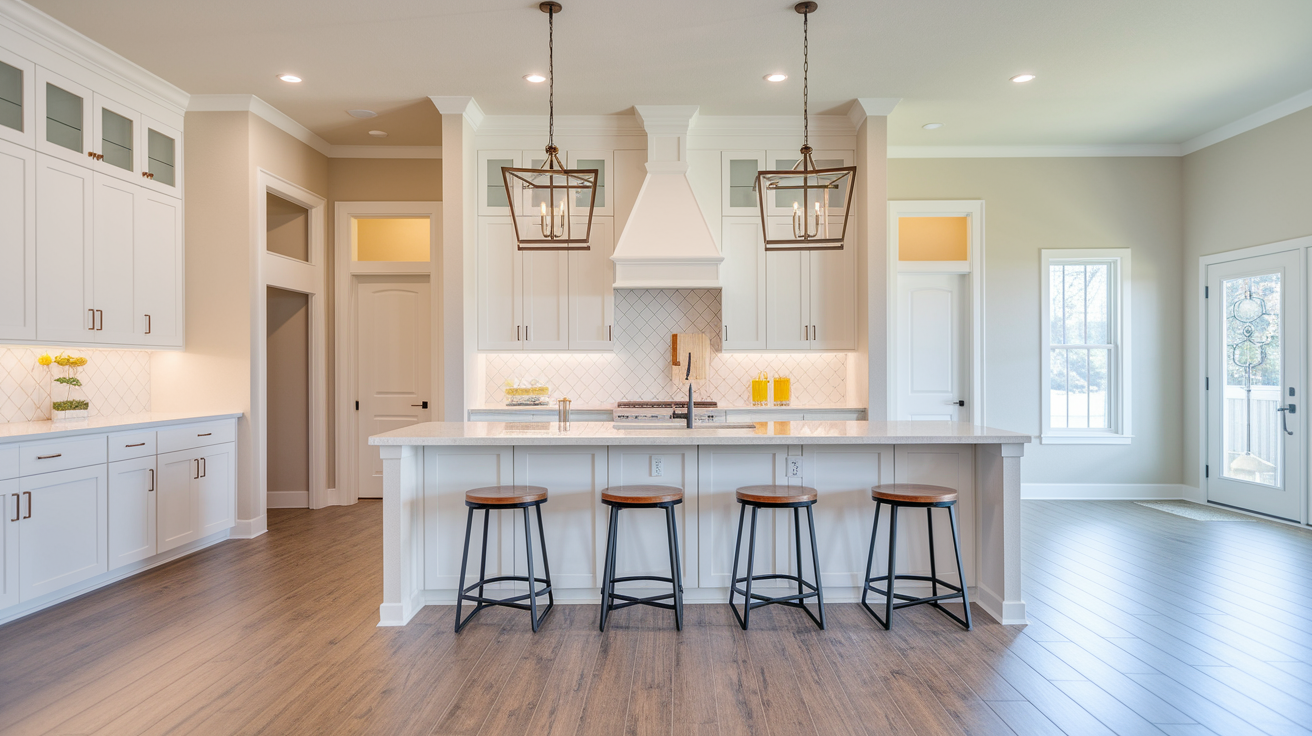
Popular upgrades include lighting, fixtures, smart home tools, curb appeal, and low disruption flooring. These raise rent, boost appraisal value, and can get done without forcing tenants out. Lighting upgrades are fast and visible. Swapping outdated ceiling fixtures or adding under cabinet LEDs in the kitchen takes under an hour per fixture and changes how the unit feels immediately. Fixture updates in bathrooms and kitchens, like new faucets, cabinet hardware, towel bars, are equally quick and cheap. Smart home stuff like programmable thermostats, keyless locks, and video doorbells add modern appeal and can justify a small rent bump.
Curb appeal work like fresh mulch, trimmed shrubs, new house numbers, painted front door raises perceived value without entering the unit. Low disruption flooring like luxury vinyl plank can go in one room at a time while the tenant lives there. LVP doesn’t need subfloor removal or heavy prep, and most installs finish within a day per room. These upgrades feed straight into the BRRRR model by raising the after repair value appraisers use to set refinance loan amounts.
Value-add upgrades with strong ROI for occupied units:
- LED lighting fixtures. Kitchen and bathroom upgrades, minimal disruption, $50–$150 per fixture.
- Updated cabinet hardware. Drawer pulls and knobs, tenant friendly install, $30–$100 per kitchen or bath.
- Programmable thermostat. Energy savings appeal, installed in under an hour, $100–$200.
- Luxury vinyl plank flooring. One room at a time, low mess, $2–$5 per square foot installed.
- Curb appeal landscaping. Exterior only, no tenant access needed, $300–$1,000 depending on scope.
Workflow Templates for Phased Occupied Renovations

Templates keep things consistent across units and cut planning mistakes. A workflow template breaks the job into tasks, assigns time estimates, and maps dependencies so you know which tasks need to finish before others start. Flooring goes in before baseboards get painted. Baseboards go up before final cleaning. A simple spreadsheet or project tool can capture this sequence and work as a checklist as you move forward. If you’re managing similar units across a portfolio, reuse the same template for each property and tweak only for unit specific differences like square footage or appliance types.
The template should include tenant communication milestones tied to each phase. Send the initial notice one week before exterior work starts. Follow up with a reminder text 24 hours before contractors arrive. Schedule a mid project check in after cosmetic work wraps. This keeps the tenant informed and cuts surprises. It also creates accountability for you and the contractor, since every task has scheduled communication attached. Delays happen? The template makes it easy to spot which phase got affected and update the tenant fast.
Workflow mapping reduces mistakes by forcing you to think through the whole sequence before work starts. Write down every task and its order, and you catch conflicts early. Like realizing you can’t paint a bedroom until new flooring goes in, or that the electrician needs access before the painter seals walls. A solid workflow also helps you batch contractor visits so the electrician and HVAC tech can both work the same day and share one tenant access window. This level of planning matters especially in BRRRR deals where timeline and cost control directly affect your refinance math and cash out proceeds.
Common Obstacles in Occupied BRRRR Renovations and How to Solve Them

Delays pop up from tenant scheduling conflicts, material shortages, contractor no shows, and access disputes. Tenant scheduling conflicts happen when the tenant works from home, has inflexible childcare, or just prefers not to allow access certain days. Tenant keeps refusing or rescheduling access? Your renovation stalls for weeks. The fix is negotiating a standing access window early, like every Tuesday and Thursday from 9 a.m. to 1 p.m., and putting it in writing. Tenant still resists? Consider a small rent concession for cooperation, like $100 off next month for each week of on time access.
Material shortages and contractor no shows sit outside your control but you can plan around them. Order materials early, confirm delivery dates with suppliers, keep a backup contractor list in case your first choice cancels. Contractor no shows? Having a second option lined up means you reschedule fast without losing a full week. Access disputes happen when the tenant claims you didn’t give proper notice or entered without permission. Avoid this by sending written notice via email or certified mail, keeping copies of all messages, and confirming the access date 24 hours ahead. Tenant disputes your right to enter? Check your lease and local law before moving forward.
Common obstacles and fixes:
- Tenant refuses access. Offer a rent concession, negotiate a fixed schedule in writing, or if needed, issue formal access notice per state law.
- Contractor delays or no shows. Keep a backup contractor list, build buffer days into your timeline, confirm appointments 48 hours ahead.
- Material delivery delays. Order early, track shipments, have backup options like substituting equivalent products if the original’s backordered.
- Tenant complaints about noise or mess. Set clear work hour limits, enforce daily cleanup rules, check in after each session to handle concerns right away.
Real-World Case Studies of Phased Renovations in Occupied Units
Case Study 1: Single family home in Indianapolis. Purchase $60,000, renovation budget $15,000, tenant in place month to month paying $850/month. The investor finished exterior siding repair and landscaping in week one, then repainted the interior and installed luxury vinyl plank in living room and bedrooms over the next two weeks. Kitchen and bathroom fixture upgrades followed, done in single day visits with the tenant present. Total time was four weeks. Tenant stayed put the whole time. Post renovation appraisal hit $95,000, supporting a 75% LTV refinance of $71,250. Rent jumped to $1,050/month. The investor pulled back the $15,000 renovation spend and avoided three months of lost rent, saving $2,550 in cash flow.
Case Study 2: Duplex in Memphis. Purchase $90,000, renovation budget $20,000 split across both units, tenants in place in both with 10 months left on leases. The investor coordinated phased work starting with exterior roof repair and painting, then moved to interior cosmetics one unit at a time. Unit A got new flooring and updated lights in weeks two and three. Unit B followed in weeks four and five. HVAC servicing for both units happened on one day with tenant cooperation. Total time was six weeks. Post renovation appraisal reached $135,000, enabling refinance of $101,250 at 75% LTV. Rents increased from $700/unit to $850/unit. The investor kept occupancy and rental income throughout, avoiding $8,400 in lost rent across both units.
Case Study 3: Triplex in Kansas City. Purchase $120,000, renovation budget $25,000, two units occupied and one vacant. The investor knocked out the vacant unit first as a full renovation in three weeks, then leased it immediately. The two occupied units got phased updates over the next eight weeks. Exterior work first, then interior paint, flooring, and fixture swaps coordinated around tenant schedules. Post renovation appraisal was $185,000, supporting refinance of $138,750. Rents increased from average $650/unit to $800/unit. By keeping two units occupied during renovations, the investor preserved $10,400 in rental income and skipped the cost and delay of re-leasing all three units after work finished.
Final Words
Get started in the action: you can renovate while tenants stay and protect cash flow. Assess tenant suitability, follow habitability rules, choose low-disruption upgrades, sequence work by phase, and use clear written notices.
Use templates, bundle contractor tasks, keep reserves, and pressure-test the schedule. If you stick to a phased renovation strategy for occupied BRRRR rentals you’ll cut vacancy and protect income. Small steps, honest communication, and realistic budgets make the plan doable and likely profitable.
FAQ
Q: Can BRRRR renovations proceed with tenants in place?
A: Renovating with tenants in place can proceed and preserves cash flow, since you keep rent coming; careful planning, phased work, and tenant cooperation let you upgrade without losing income.
Q: What criteria determine if a tenant is suitable for in‑place renovation?
A: A tenant is suitable for in‑place renovation if they pay reliably, communicate cooperatively, allow scheduled access windows, and have no lease clauses blocking work; their availability and responsiveness matter most.
Q: Which renovation types are feasible while units remain occupied?
A: Feasible occupied renovations include cosmetic updates, exterior work, and many system upgrades that allow scheduled temporary shutoffs; major structural work or long utility losses are usually not feasible.
Q: What habitability risks restrict renovation activities?
A: Habitability risks that restrict work include loss of heat, water, or sanitation, unsafe living conditions, and potential lead or asbestos exposure, which require special procedures or halting work.
Q: What is a high‑level phased plan for occupied BRRRR renovations?
A: A phased plan starts with exterior and common‑area improvements, moves to non‑invasive interior cosmetics, then system upgrades with scheduled access, and finishes with a final walkthrough and punch list.
Q: What notice periods and legal requirements apply when renovating occupied rentals?
A: Notice periods and entry rules vary by state, so give written notice, use reasonable scheduling windows, and follow landlord‑tenant and habitability laws to avoid legal violations.
Q: How should landlords communicate with tenants during renovations?
A: Landlords should use clear written templates that state scope, schedule, access needs, safety steps, and a contact person, plus timely reminders to reduce conflict and increase cooperation.
Q: What are the key components of effective tenant messaging for renovations?
A: Key messaging components are a clear scope of work, specific dates and time windows, access and safety instructions, and a named contact for questions or emergency updates.
Q: How do you coordinate contractors for tenant‑occupied jobs?
A: Coordinate contractors by setting fixed access windows, choosing small crews, clustering tasks by room or system, and sequencing work to avoid repeat disruption and backtracking.
Q: How can you control costs and risks in phased BRRRR renovations?
A: Control costs by bundling contractor tasks, phasing work to avoid vacancy, keeping reserves for delays or surprises, and managing material lead times to prevent budget overruns.
Q: What safety protocols reduce tenant impact during renovations?
A: Safety protocols include dust control, workspace isolation, scheduled temporary shutoffs, clear signage, and secure storage or removal of hazardous materials to protect tenants and workers.
Q: Which value‑add upgrades work best with tenants in place?
A: Value‑add upgrades suitable with occupancy include new lighting and fixtures, low‑disruption flooring, smart thermostats, fresh paint, and curb‑appeal landscaping that lift rents with minimal disruption.
Q: What common obstacles arise in occupied renovations and how do you solve them?
A: Common obstacles are tenant scheduling conflicts, material delays, access disputes, and surprise repairs; solve them with clear notices, contingency budgets, backup suppliers, and documented access agreements.