

Think a seller’s okay means the deal is done?
Not in a short sale.
The lender can still say no.
Short sales hinge on convincing the bank you give them the best cash recovery.
This post shows how to build offers banks are likely to accept, with the documents, comps, timing, and communication that speed approvals and cut risks.
You’ll get a quick checklist, pricing guardrails, and real negotiation moves to avoid long delays.
Read on if you want a cleaner path to closing a short sale without wasting months.
Key Short Sale Buyer Negotiation Principles for a Successful Purchase

Short sale negotiations differ from traditional real estate deals in one big way: you’re not just convincing the seller to take your offer. You’re convincing the seller’s bank to accept less than what they’re owed. The seller can agree to your price all day, but until the lender signs off, nothing happens. This adds time, paperwork, and a lot of uncertainty. Lender response windows usually run 30 to 120 days. Many deals need multiple rounds of documentation before you see an approval or denial. Submit an incomplete offer or skip steps? Expect the timeline to stretch even longer.
Lenders care about one thing: getting as much money back as they can on a bad loan. They compare your offer to their internal valuation, the property’s market value, and what foreclosure would cost them. A clean, fully documented offer that shows the bank gets the best net proceeds will always win over a messy or lowball bid. Include proof of financing, a comparative market analysis, and a realistic purchase price. Banks also prefer buyers who can close quickly and won’t ask for concessions the bank can’t afford. If your offer looks like it’ll drag out or fall apart, they’ll move to the next one in the stack. Or just foreclose.
Most short sale properties sell as is. You can inspect, and you should, but don’t expect the bank to pay for a new roof or cover foundation repairs. Your leverage comes from preparing early, building a strong financial position, and submitting offers that align with what lenders actually care about. Buyers who treat short sales like distressed opportunities but with standard sale expectations? They end up frustrated. Adjust your mindset before you start.
Core principles to follow:
- Submit a fully documented offer with mortgage preapproval or proof of funds attached.
- Use recent comparable sales to back up your offer price and include the comps report with your contract.
- Set your offer within a defensible market range, typically 5 to 20 percent below fair market value depending on condition and liens.
- Avoid extreme lowball offers. Banks will reject them outright or ignore your file.
- Keep weekly communication going with the listing agent and lender negotiator to keep things moving.
- Be patient and plan for approval timelines of 60 to 180 days or more from contract to closing.
Understanding Short Sale Approval and Bank Priorities During Negotiations

Banks evaluate short sale offers using a net proceeds calculation. They add up what they’ll recover after commissions, title fees, taxes, and lien payoffs, then compare that to what they’d get through foreclosure minus holding costs and legal fees. If your offer delivers more net cash to the lender than foreclosure would, and it closes faster, you’re in the game. If it doesn’t, they’ll counteroffer or decline. Investor guidelines also matter. Many loans are owned by Fannie Mae, Freddie Mac, or private investors who impose approval thresholds and documentation rules the servicer has to follow.
Counteroffers are common. The bank may come back asking for a higher purchase price, a larger earnest deposit, fewer contingencies, or a faster closing date. They may also request that you cover certain seller closing costs or pay off small liens to improve their recovery. Don’t take it personally. The lender isn’t negotiating emotionally. They’re running the numbers. If the counteroffer still makes sense for you and the property pencils out, respond quickly with either acceptance or a reasoned counter backed by updated comps or repair estimates.
| Bank Priority | How It Affects Buyer Negotiation |
|---|---|
| Maximum net recovery | Lenders favor offers with the highest net proceeds after all costs; justify your price with comps and repair estimates to show the bank this is the best they’ll get. |
| Speed of closing | Cash or strong preapproval and a 30 to 45 day close post approval improve your offer; banks want to stop accruing interest and holding costs. |
| Minimal investor risk | Clean offers with few contingencies reduce the chance of deal failure; lenders prefer buyers unlikely to walk after approval. |
| Complete documentation | Missing seller financials or outdated tax returns delay file review; help the seller assemble all docs to keep the lender engaged and your offer moving. |
Preparing Strong Buyer Documentation for Short Sale Negotiations

Banks prioritize fully documented offers because incomplete packages sit in queues or get kicked back for resubmission. That wastes weeks or months. When your offer arrives with every required document attached, the loss mitigation team can start review immediately. That alone can shave 30 to 60 days off the approval timeline. Incomplete offers signal that the buyer or seller isn’t serious, and lenders will shift attention to competing bids that look ready to close.
Buyer documentation speeds approval by proving you have the financial capacity to perform. A current mortgage preapproval letter or proof of funds statement shows the bank you won’t fall out of contract due to financing issues. Including a buyer cover letter that outlines your closing timeline and willingness to accept the property as is reinforces your commitment. The faster the lender sees you’re a real, qualified buyer, the faster they move your file up the stack.
Common mistakes? Submitting outdated preapproval letters, forgetting to update the seller’s bank statements, or leaving out HOA contact information and payoff amounts. Another frequent error is failing to include a lender ready net proceeds worksheet that shows exactly how much the bank will recover from your offer. If the lender has to build that worksheet themselves, your file sits longer. Avoid those delays by assembling everything up front.
Essential documents buyers should make sure the seller includes:
- Fully executed purchase contract with buyer contact information and clear financing terms.
- Short sale authorization form signed by the seller allowing the bank to discuss the file with agents and third parties.
- Seller hardship letter explaining why they can’t continue payments and why short sale is necessary.
- Last two years of seller tax returns, most recent pay stubs, and two to three months of bank statements.
- Current mortgage statements showing loan balance, payment history, and arrears.
- HOA dues statements, property tax records, and homeowner’s insurance information.
- Comparative market analysis or appraisal report showing current market value and supporting comps.
- Title report listing all liens, encumbrances, and outstanding obligations on the property.
Crafting Competitive Short Sale Offers That Banks Approve

Competitive short sale offers typically land within 5 to 20 percent below fair market value. It depends on property condition, local comps, and the size of existing liens. If a home would sell for 250,000 dollars in normal condition, an offer between 200,000 and 237,500 dollars might be reasonable if the property needs repairs or has deferred maintenance. Go too low, say 175,000 dollars on that same property, and the bank will likely reject it outright or counter near the top of your range. Price defensibly using real data, not wishful thinking.
Banks prefer cash offers or buyers with strong conventional financing because those close faster and carry lower fall through risk. If you’re using a mortgage, include a current preapproval letter from a reputable lender and show proof of down payment funds. Earnest deposits often range from 1 to 3 percent of the purchase price. A larger deposit, say 2.5 percent instead of 1 percent, signals seriousness and can tip the scale if the lender is choosing between similar offers. Make the earnest money refundable until you receive written bank approval, then expect it may become non refundable once the lender says yes.
Steps to assemble a strong short sale offer:
- Run a comparative market analysis using three to six recently closed sales, preferably within the last six to twelve months, and attach the CMA report to your purchase contract.
- Set your initial offer price within a defensible range backed by those comps, factoring in needed repairs or property specific issues like liens or HOA arrears.
- Include a mortgage preapproval letter or proof of funds, plus a brief buyer cover letter explaining your readiness to close and proposed timeline.
- Offer earnest money between 1 and 3 percent, held in escrow with contingencies tied to bank approval and satisfactory inspection.
- Limit contingencies to essential items like inspection and financing. Avoid requests the lender can’t or won’t accommodate, like seller paid repairs.
- Provide a lender net proceeds worksheet showing how your offer affects the bank’s recovery after commissions, closing costs, and lien payoffs.
How to Use Comparable Sales to Support Your Offer
Comparable sales are your pricing justification. Pull three to six closed sales of similar properties in the same neighborhood or zip code, ideally sold within the last six to twelve months. Focus on homes with similar square footage, bed and bath count, lot size, and condition. If the subject property needs a new roof or has foundation issues, note those in your CMA and adjust your comps accordingly. For example, if comparable homes sold between 240,000 and 260,000 dollars and your target property needs 15,000 dollars in deferred maintenance, an offer around 225,000 to 230,000 dollars makes sense.
Attach the CMA report to your purchase contract and highlight the comps in your buyer cover letter. Explain how the condition, needed repairs, or market trends justify your offer price. The more specific and data driven your case, the harder it is for the lender to dismiss your bid as too low. Banks have their own broker price opinions or appraisals, but a well documented CMA from the buyer side adds credibility and shows you’ve done your homework. That preparation often tips marginal files toward approval.
Inspection and Contingency Strategies in Short Sale Negotiations

Inspections need to happen early because the lender approval process can take months. You don’t want to wait until the bank says yes to discover the property has serious structural issues. Typical inspection windows run 7 to 14 days from contract acceptance. Schedule your inspector as soon as the seller accepts your offer, even though the bank hasn’t approved yet. Use the long approval wait to complete inspections, get repair estimates, and decide if the deal still makes sense. If it doesn’t, you can often withdraw under your inspection contingency before the lender even responds.
Most lenders won’t approve repair requests. Short sales are almost always sold as is. You can ask for a credit or price reduction based on inspection findings, but the bank’s willingness to negotiate depends on how your revised offer compares to their recovery target. If you discover 8,000 dollars in needed repairs, you might request a 5,000 dollar credit or reduce your offer by that amount. But be prepared for the lender to counter or hold firm. The smarter play is to budget 1 to 5 percent of the purchase price for repairs before you make your initial offer, so inspection findings don’t blow up the deal.
Appraisal gaps are a common risk. If you offer 230,000 dollars but the property appraises at 215,000 dollars, your lender may not fund the full loan amount. You’ll either need to bring extra cash to cover the gap, renegotiate the purchase price down to 215,000 dollars, or walk away under your financing contingency. In short sales, the listing side and the bank are often unwilling to drop the price post appraisal because they’re already taking a loss. Plan for this by securing a lender who will let you challenge the appraisal or by keeping cash reserves ready to bridge small gaps.
Top contingency strategies buyers can use without harming approval chances:
- Keep inspection and financing contingencies in place until you receive written bank approval. These protect you without costing the lender anything.
- Avoid requesting seller paid closing costs unless you’re willing to raise your purchase price by the same amount to keep lender recovery neutral.
- Limit your inspection contingency period to 7 to 14 days and complete inspections immediately so you know the property’s condition before the bank responds.
- If appraisal comes in low, propose a revised contract price supported by the appraisal report rather than asking the seller to cover the gap.
- Use an as is addendum to signal you won’t request repairs, but retain the right to walk based on inspection findings that exceed your budget.
Navigating Multi Lien Short Sales and Complex Negotiation Scenarios
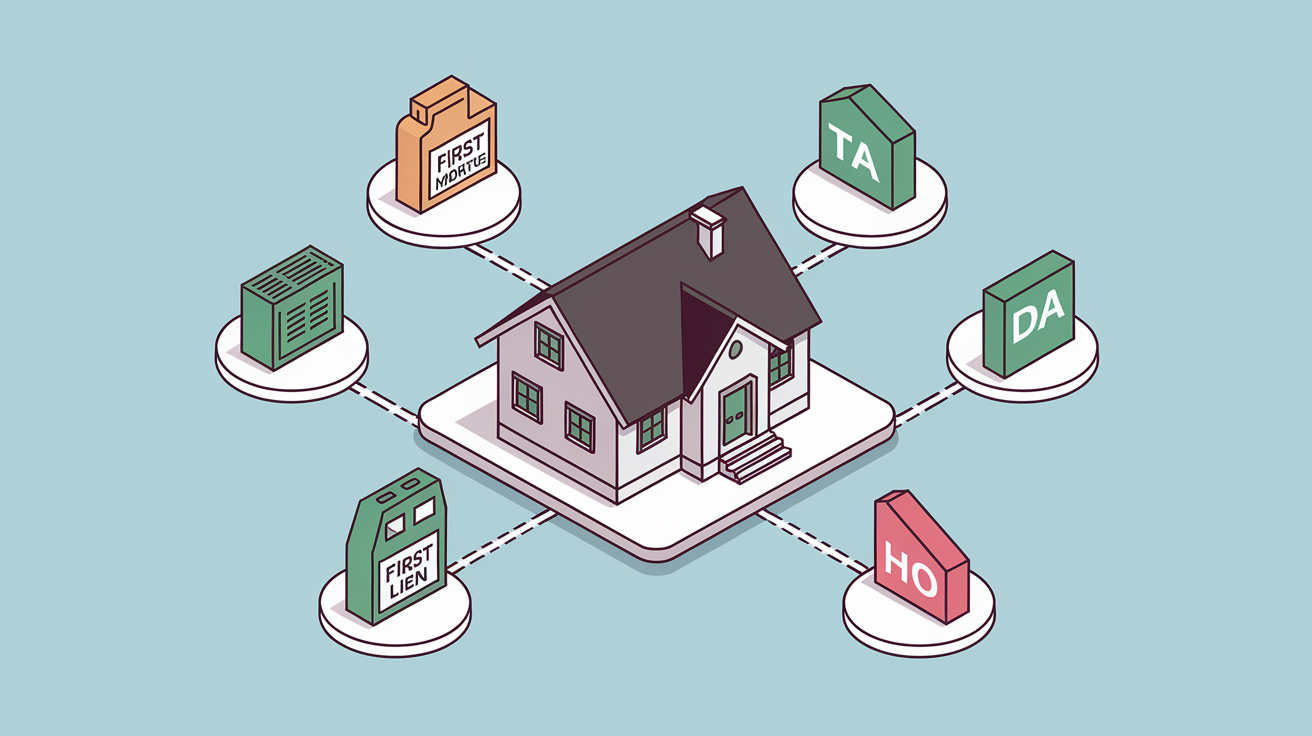
When a property has multiple liens, first mortgage, second mortgage, tax liens, mechanic’s liens, or HOA liens, each lienholder must agree to release their claim before the sale can close. The first mortgage holder typically negotiates the short sale and decides whether to approve your offer. Junior lienholders then negotiate separately for a partial payoff, often accepting 30 to 60 percent of what they’re owed because they know they’d get nothing in foreclosure once the senior lien is satisfied. Identifying these liens early from the title report is critical because each additional lien adds 30 to 90 days to the approval timeline.
You’ll rarely negotiate directly with junior lienholders, but your agent or a short sale negotiator will. The first lender’s approval often sets aside a small amount, sometimes 3,000 to 10,000 dollars, to pay off junior liens. If the second mortgage is owed 25,000 dollars and the payoff pool is 7,500 dollars, the junior lender may accept that rather than get wiped out in foreclosure. Tax liens and HOA liens usually must be paid in full or negotiated down through government programs or settlement. Missing or ignoring a lien during contract drafting can kill the deal at closing, so run a thorough title search before you even submit an offer.
How Junior Lien Negotiations Affect Buyer Pricing
Junior liens don’t change what you pay for the property, but they do affect what the first lender recovers and whether they’ll approve your offer. If your offer is 230,000 dollars and closing costs are 15,000 dollars, the net to the first lender might be 215,000 dollars before junior payoffs. If another 10,000 dollars goes to a second mortgage and 2,000 dollars to an HOA lien, the first lender’s net drops to 203,000 dollars. The first lender compares that 203,000 dollars to their foreclosure recovery. If foreclosure would net them 190,000 dollars after legal fees and holding costs, your deal still wins and they’ll likely approve. If foreclosure would net 210,000 dollars, they may reject your offer or counter higher.
Typical junior lien payoff ranges fall between 30 and 60 percent of the outstanding balance, but every case varies. A second mortgage holder owed 40,000 dollars might settle for 12,000 to 20,000 dollars. Tax liens are less flexible. Governments often demand full payment or a structured settlement plan. Mechanic’s liens and HOA liens can sometimes be negotiated, but expect tougher resistance. The longer these negotiations take, the longer your contract sits in limbo. Build extra time into your financing contingency and be ready to extend deadlines if junior lien approvals drag.
Communication Tactics for Banks, Negotiators, and Listing Agents

Weekly follow ups with the listing agent and the short sale negotiator keep your file visible and reduce the chance it gets buried under newer submissions. Most lenders assign a specific loss mitigation specialist or third party negotiator to each file. Get that person’s name, direct phone number, and email address as soon as the short sale package is submitted. If the listing agent won’t share it, ask your buyer’s agent to request it. Having direct contact means you can check status, confirm receipt of documents, and escalate if the file stalls.
Keep written records of every conversation, email, and document submission. Note the date, time, person you spoke with, and any reference or file numbers they provide. If the lender claims they never received your preapproval letter or says the seller’s tax returns are missing, you can reference your submission log and resend immediately rather than starting from scratch. Many short sale delays happen because documents get lost in the lender’s system or the file is transferred between departments. A detailed communication log protects you and speeds resolution when issues come up.
Missing documents, lender backlog, or investor approval requirements can stretch timelines from 30 days to 180 days or more. If you haven’t heard anything in 30 to 45 days, escalate politely. Ask the listing agent to contact their negotiator, or reach out directly if you have the contact info. Sometimes a single follow up call moves a stalled file to the top of the queue. Other times the delay is systemic, investor approvals, multiple internal reviews, or policy changes at the servicer, and all you can do is wait and stay ready to close when the green light finally comes.
Effective communication techniques for short sale buyers:
- Set up a weekly check in cadence with the listing agent and confirm they’re also following up with the lender or negotiator.
- Get the short sale negotiator’s direct contact information and use it to ask specific questions about file status, missing documents, or timeline updates.
- Document every submission with date stamps, confirmation emails, and file reference numbers so you can prove documents were sent if the lender claims otherwise.
- Respond to lender requests within 48 to 72 hours. Fast responses signal seriousness and keep your file moving ahead of slower buyers.
- Stay professional and patient in all communications. Lenders deal with distressed borrowers and frustrated buyers daily. Polite persistence gets better results than anger.
Timeline Expectations and Risk Management for Short Sale Buyers

Common short sale timelines run 60 to 180 days or more from the moment the seller accepts your contract to the day you close. The wide range reflects the variability in lender responsiveness, file complexity, and investor approval layers. A single lien file with a cooperative seller and a responsive servicer might approve in 60 to 90 days. A multi lien case with a seller in bankruptcy, missing financials, and an investor that requires committee review can stretch past 180 days. Plan for the longer end and be pleasantly surprised if it moves faster.
Risks include seller delays. Many distressed sellers are overwhelmed or uncooperative and drag their feet submitting hardship letters or financial documents. Missing or outdated documents can reset the clock. Lien complications, especially undisclosed second mortgages or mechanic’s liens, can surface mid approval and require new negotiations. The bank may also impose additional conditions late in the process, like requiring a second appraisal, updated buyer financials, or proof of hazard insurance. Any of those can delay closing by weeks. In rare cases, the lender denies the short sale outright and proceeds to foreclosure, killing the deal entirely.
Top sources of delay buyers should anticipate:
- Incomplete or outdated seller financial documentation. Missing tax returns, pay stubs, or bank statements will stall file review until the seller provides them.
- Multiple lien approvals. Each junior lienholder negotiation can add 30 to 90 days, and some may refuse to settle.
- Lender backlog or investor approval layers. Files often wait in queues for weeks before anyone reviews them, especially during high volume periods.
- Last minute bank conditions or counteroffers. The lender may request a higher price, additional earnest money, or faster closing, requiring renegotiation and timeline extensions.
Short Sale Closing Logistics and Final Negotiation Requirements

Once the bank issues written approval, the closing window typically opens within 10 to 30 days. The approval letter will list the buyer, the approved purchase price, any lender imposed conditions like proof of funds, updated title work, or hazard insurance, and the deadline to close. Read that letter carefully. If the bank says you must close by a specific date or the approval expires, make sure your lender, title company, and attorney can meet that deadline. Missing it can void the approval and send you back to square one.
Confirm payoff letters for every lien. The title company will order these, but double check that each lienholder, first mortgage, junior liens, tax authorities, HOA, has submitted a current payoff amount. Payoffs can change daily due to interest and fees, so the figures must be current as of closing. Any lien that isn’t satisfied and released will cloud title and prevent you from taking clean ownership. Work with your title agent to make sure every release is recorded before or at closing.
Earnest money often becomes non refundable once the bank approves the short sale. Before that point, your deposit is usually protected by contingencies. After approval, you may be required to increase the deposit or convert it to non refundable status as a condition of moving forward. Understand this shift and confirm in writing when and under what circumstances your earnest money is at risk.
| Closing Requirement | Why It Matters |
|---|---|
| Written lender approval letter | Confirms the bank has agreed to your offer and sets the closing deadline; without this, the deal can’t proceed and your contract has no force. |
| Current payoff letters for all liens | Makes sure every mortgage, tax lien, HOA lien, and junior lien is paid off at closing; missing a payoff can delay closing or cloud your title. |
| Title clearance and title insurance | Protects you from undisclosed liens, judgments, or ownership disputes; lenders require clean title before funding your loan. |
| Final walkthrough and condition verification | Confirms the property is in the agreed upon condition and no additional damage occurred during the approval period; address any issues before signing closing documents. |
Final Words
In the action, you learned how short sales differ from normal deals: bank approval is required, timelines often stretch 30–180+ days, and lenders focus on net recovery. Clean offers, solid comps, and early inspections speed things up.
We covered the must‑have buyer and seller documents, offer structure, multi‑lien pitfalls, and steady follow up with the negotiator.
Use these short sale negotiation tips for buyers to stay organized, set realistic expectations, and you’ll improve your odds of a smoother, successful closing.
FAQ
Q: What is a good strategy for a buyer making an offer on a short sale?
A: A good strategy for a buyer making an offer on a short sale is to submit a clean, well-documented offer with comps, lender-ready financing or proof of funds, realistic pricing, and patience for 30–120+ day approvals.
Q: What is the 3 3 3 rule in real estate?
A: The 3 3 3 rule in real estate usually means a quick checklist: 3 comparable sales, 3 price adjustments or estimates, and 3 months of reserve cash — but usage varies by context.
Q: What is the hardest month to sell a house?
A: The hardest month to sell a house is typically December, with January also slow, since holidays and winter weather reduce buyer activity; spring and early summer tend to be strongest.
Q: How do you negotiate a short sale?
A: To negotiate a short sale, present a clean offer with comps, buyer preapproval or cash proof, timely documents, reasonable earnest money, clear inspection plan, and regular follow-up with the lender negotiator.