
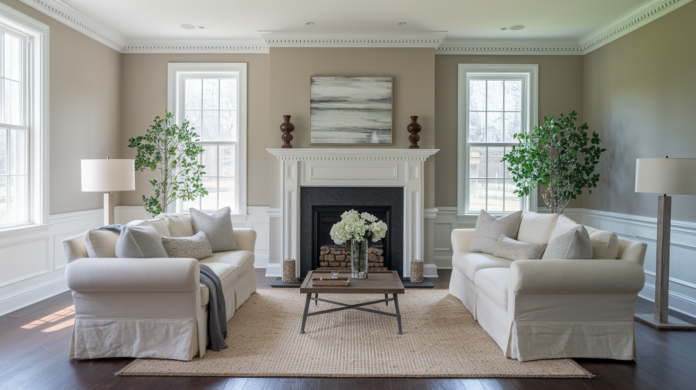
Want a faster way to boost ARV (after-repair value) and rent without gutting the place?
Cosmetic renovations like fresh paint, new floors, a kitchen refresh, better lighting, tidy bathrooms, and curb appeal move the needle for appraisals and tenant demand, and they rarely trigger permits or long timelines.
This post shows the six cosmetic projects with the highest ROI for BRRRR investors, typical costs, and a quick budget checklist so you can hit refinance targets without overspending.
Highest-ROI Cosmetic Renovations Investors Should Prioritize for BRRRR
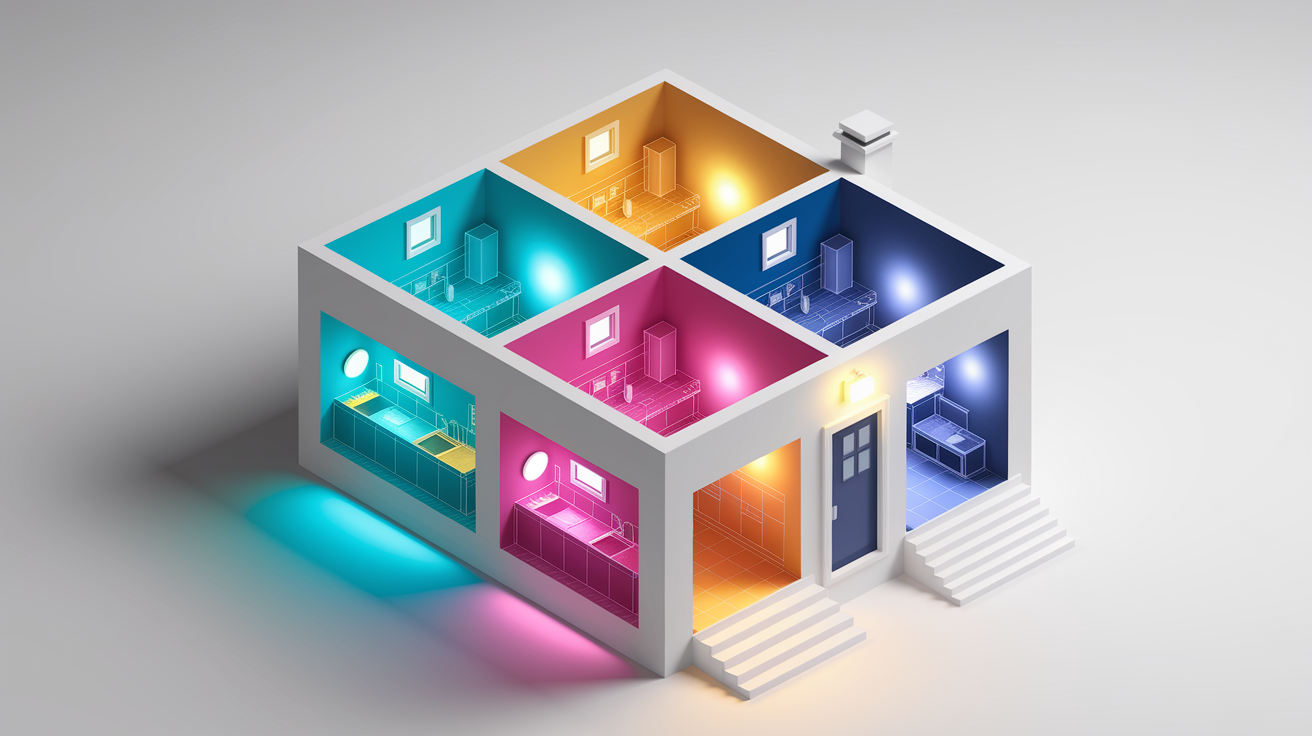
BRRRR works when you create property value fast without bleeding cash or time. Cosmetic renovations get you there because they lift ARV and rent at the same time, without the mess of structural work or the guessing game of mechanical overhauls. The best cosmetic upgrades share a pattern. Appraisers see them. Tenants notice them. Future buyers care about them. And they cost way less than the value they add.
Here are the six cosmetic renovations that punch hardest for BRRRR investors based on 2025 market data and how appraisals actually work:
- Interior paint: $800 to $3,000 spend, $3,000 to $12,000 value bump, roughly 100 to 200% ROI
- LVP or laminate flooring: $2,000 to $6,000 spend, $5,000 to $15,000 value bump, 120 to 160% ROI
- Kitchen refresh (paint cabinets, swap hardware, new counters, skip the gut job): $3,000 to $10,000 spend, $8,000 to $25,000 value bump, 80 to 120% ROI
- Bathroom refresh (vanity, fixtures, grout, tub work): $800 to $5,000 spend, $4,000 to $15,000 value bump, 85 to 150% ROI
- Lighting and fixture upgrades: $200 to $1,500 spend, $1,000 to $4,000 value bump, 150 to 300% ROI
- Curb appeal (landscaping, front door, mulch, house numbers): $300 to $3,000 spend, $2,000 to $10,000 value bump, 100 to 300% ROI
These upgrades don’t trigger permit nightmares. They don’t need structural gymnastics. And most of them wrap in one to fourteen days. If your renovation budget is tight and your refinance timeline is tighter, these six upgrades should eat up most of your spending before you even think about full kitchen remodels or major exterior replacements.
Appraisals reward properties that match recently sold comps in the neighborhood. Fresh paint, modern floors, updated kitchens, clean bathrooms, good lighting, and solid curb appeal all show up clearly in listing photos, appraiser walkthroughs, and tenant showings. Appraisers lean on comparables. These upgrades help you compete with newer rentals and recently sold homes without overspending on finishes the market doesn’t recognize.
Renovation Budget Priorities for Cosmetic BRRRR Projects
The ideal cosmetic rehab budget for BRRRR usually sits between 5 and 10 percent of your target ARV. Spend much more than 10 to 15 percent on cosmetics and you’re probably getting diminishing returns unless neighborhood comps clearly justify it. If your target ARV is $150,000, your cosmetic rehab budget should ideally stay under $7,500 to $15,000 to maximize refinance efficiency and profit margins. You can spend more and still lift the appraisal, but each extra dollar tends to return less in ARV and rent.
Breaking the budget down by upgrade category keeps you disciplined and helps you avoid spending on low-impact or overpersonalized finishes. Here’s a simple allocation framework based on a 1,200 square foot BRRRR property targeting $130,000 to $150,000 ARV:
| Upgrade | Typical Cost | ARV Impact |
|---|---|---|
| Interior paint | $1,800 | $3,000 to $12,000 |
| LVP flooring | $4,000 | $5,000 to $15,000 |
| Kitchen refresh | $2,500 | $8,000 to $25,000 |
| Bathroom refresh | $1,500 | $4,000 to $15,000 |
Add about 10 percent for contingency to handle surprises like rot behind vanities or damaged subfloor patches. Total estimated cosmetic rehab for this example is around $12,100, sitting comfortably at 8 to 9 percent of a $135,000 to $150,000 ARV. If you’re targeting a 3× rehab to value increase (meaning every dollar spent returns at least three dollars in appraised value), you need to see at least $36,300 in ARV lift from a $12,100 spend. The upgrades listed above routinely clear that target when the property’s condition sits at or below neighborhood baseline before rehab.
High-Impact Interior Paint Strategies for BRRRR ROI
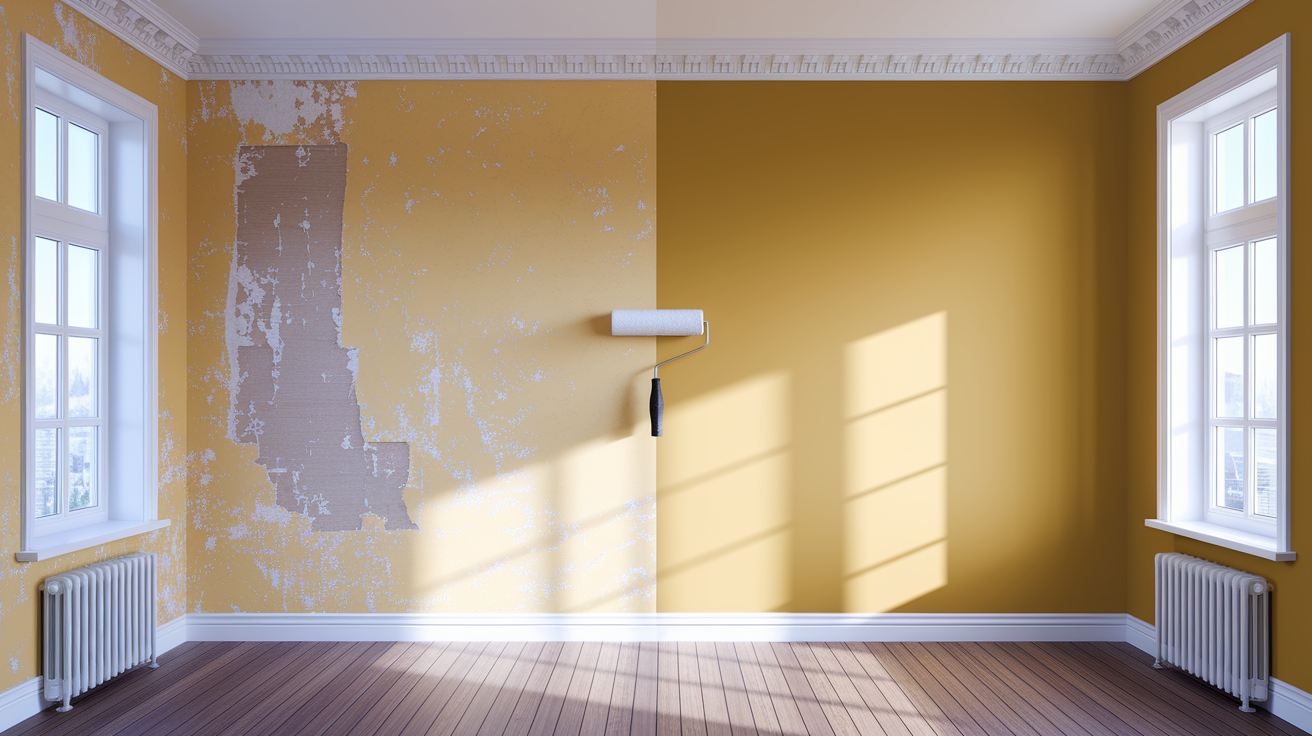
Interior paint is the single fastest and cheapest way to make a rental look clean, modern, and tenant-ready. For a typical 1,000 to 1,500 square foot house, interior paint costs between $800 and $3,000 depending on whether you DIY or hire a contractor, the number of coats you need, and the condition of the walls. Even at the high end of that range, paint routinely returns 100 to 200 percent in added appraised value. And it dramatically speeds up tenant placement because photos and in-person showings look significantly better.
Appraisers look at cosmetic condition when picking comps. Clean neutral paint helps appraisers justify matching your property to recently sold homes with updated interiors instead of dated fixer-uppers. Paint also covers stains, scuffs, patches, and weird color choices from previous owners. All of which hurt perceived value and delay leasing. Most BRRRR investors can wrap interior paint in one to four days, making it the perfect first task on any cosmetic rehab timeline.
Here are the most effective paint decisions for BRRRR ROI:
- Choose neutral colors in light to medium tones. Grays, greiges, soft whites, and warm beiges appeal to the widest tenant and buyer pool and photograph well.
- Use eggshell or satin sheen for walls and semi-gloss for trim, doors, and high-traffic areas. Flat paint shows scuffs and is harder to clean in rentals.
- Paint ceilings bright white to increase perceived ceiling height and light reflection.
- Use primer-sealer to block stains, smoke odor, and pet smells before applying finish coats. Skip primer and you risk bleed-through and bad tenant reviews.
- Consider one accent wall in living or dining areas if neighborhood comps show recent updates and modern staging. Avoid bold or trendy colors that polarize viewers.
Painting is one of the few upgrades where DIY makes sense if you have basic skills and time. Materials for a 1,200 square foot interior typically run $300 to $600, and labor adds another $500 to $2,400 depending on local rates. If you hire out, get quotes from at least two contractors and confirm they include wall prep, patching, caulking, and cleanup in the price.
Flooring Upgrades with Strong BRRRR Value Lift

Flooring is the second-highest ROI cosmetic upgrade for BRRRR because it’s visible in every room, tenants interact with it daily, and appraisers specifically note flooring type and condition in their reports. Replacing worn carpet, damaged laminate, or outdated vinyl with new LVP or high-quality laminate typically costs $2,000 to $6,000 for 800 to 1,400 square feet of living space. It increases ARV by $5,000 to $15,000 while also boosting rent by $50 to $200 per month.
LVP is the preferred choice for most BRRRR investors because it’s waterproof, scratch-resistant, easy to install, and mimics hardwood or tile at a fraction of the cost. Laminate is slightly cheaper but less durable in high-moisture areas like kitchens and bathrooms. Both options install quickly. Most flooring contractors can complete a 1,200 square foot home in one to four days, including minor subfloor prep.
Here are the three most common flooring strategies for BRRRR cosmetic rehabs:
- Install new LVP throughout all main living areas, bedrooms, and bathrooms. This is the safest choice for rental durability and appraiser perception, especially in markets where most comps show modern plank flooring.
- Install high-quality laminate in bedrooms and living areas, and use LVP only in kitchens and baths. This saves $500 to $1,500 on material costs and still delivers strong tenant appeal and value lift.
- Refinish existing hardwood if the subfloor is solid and the wood is in decent shape. Refinishing costs $2 to $5 per square foot and can add significant appraisal value in neighborhoods where hardwood is a market expectation, but it takes longer and introduces dust and odor issues during rehab.
Flooring pairs extremely well with interior paint because both upgrades are fast, low-risk, and change the entire feel of the property. If you’re working on a tight BRRRR timeline, paint and flooring should be your first two priorities after addressing any health and safety or mechanical red flags.
Kitchen Cosmetic Refreshes that Maximize BRRRR Appraisal

Kitchen updates are one of the most requested features from tenants and buyers, but full kitchen remodels are expensive, time-consuming, and often return less than 70 percent of their cost at appraisal. The smartest BRRRR approach is a cosmetic kitchen refresh that updates visible finishes without moving walls, changing layouts, or replacing cabinets. Typical costs for a cosmetic refresh run $3,000 to $10,000, and appraisal value lifts range from $8,000 to $25,000 depending on the before condition and neighborhood comps.
A cosmetic kitchen refresh focuses on paint, hardware, countertops, backsplash, lighting, and appliances. If the cabinet boxes are solid and the layout is functional, you can transform the kitchen’s appearance in three to ten days by painting or refinishing cabinets, swapping hardware, replacing laminate or butcher-block countertops, adding a simple tile or peel-and-stick backsplash, and upgrading to stainless or darker stainless appliances if the existing ones are mismatched or broken.
Appraisers compare your kitchen to recently sold comps, so the goal is to match or slightly exceed the baseline condition in your neighborhood. If most comps show painted cabinets, quartz or laminate counters, and stainless appliances, you need those features to compete. If comps still show original oak cabinets and Formica counters, you can usually get by with a deep clean, new hardware, and fresh paint.
Budget-Friendly Kitchen Changes
Cabinet paint or refinishing is the single highest-impact kitchen upgrade. Professional cabinet painting costs $1,200 to $6,000 depending on the number of doors, the finish quality, and whether you’re painting or refinishing. DIY cabinet painting can cut costs to $300 to $800 in materials, but it requires careful prep, multiple coats, and a sprayer or high-quality brush for a smooth finish. New cabinet hardware (handles and knobs) costs $100 to $400 and makes a dramatic visual difference for almost no money.
Countertop replacement is the second-highest cosmetic impact. Entry-level quartz, butcher block, or laminate counters run $800 to $3,500 installed for a typical kitchen, and they dramatically improve photos and tenant perception compared to damaged or heavily stained existing counters. Backsplash installation adds another $200 to $1,200 depending on materials. It protects walls while giving the kitchen a finished look that matches modern comps.
Lighting upgrades (under-cabinet LEDs, pendant lights over an island, or updated ceiling fixtures) cost $100 to $600 and change how the kitchen photographs and feels during showings. If your comps show modern lighting, add it. If your existing appliances are old, mismatched, or broken, budget $1,200 to $3,000 for a matching stainless or black stainless set from a big-box retailer during sale periods.
Bathroom Cosmetic Improvements That Add Strong BRRRR ROI
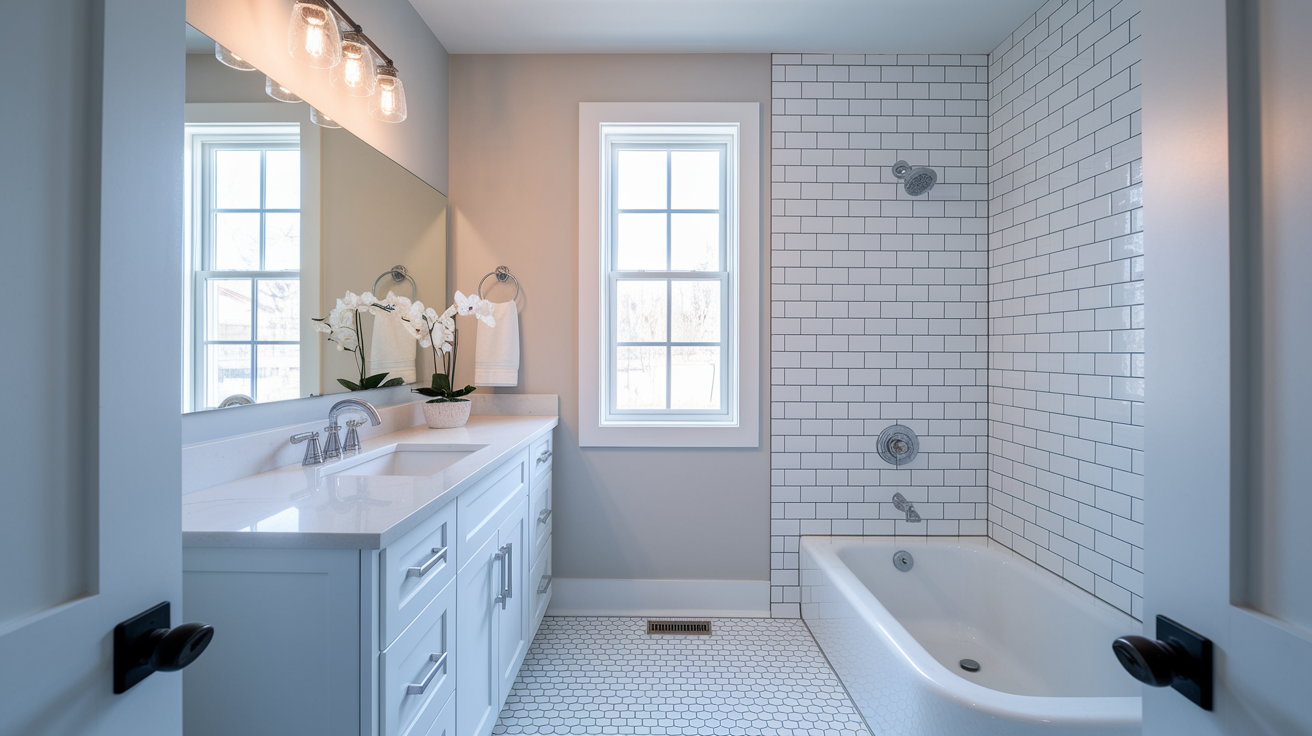
Bathroom refreshes deliver ROI between 85 and 150 percent because clean, updated bathrooms are non-negotiable for most tenants and appraisers note bathroom condition heavily in their reports. A full bathroom gut job can cost $8,000 to $15,000 and take two to four weeks, but a cosmetic refresh that focuses on the vanity, fixtures, grout, tub surround, and paint typically runs $800 to $5,000 and adds $4,000 to $15,000 in appraised value.
The fastest and cheapest bathroom improvements are grout cleaning or replacement, caulking, vanity replacement, faucet and fixture swaps, and mirror updates. If the tub or shower surround is stained, cracked, or outdated, reglazing costs $200 to $800 and delivers a like-new appearance in one to two days. Or you can install a new acrylic surround for $400 to $2,000 depending on size and tile removal complexity.
Here are the four simplest bathroom upgrades with the strongest BRRRR ROI:
- Replace the vanity and sink. A new budget vanity with sink and faucet costs $300 to $1,200 installed, and it instantly modernizes the bathroom. Choose white or gray finishes that match neighborhood comps.
- Swap faucets, showerheads, and towel bars. New chrome or brushed nickel fixtures cost $100 to $600 total and make the bathroom look clean and updated in photos.
- Regrout tile or recaulk the tub and shower. This costs $200 to $500 in labor and materials and eliminates mold, staining, and water damage concerns that can kill appraisals and tenant interest.
- Paint walls, ceiling, and trim. Bathrooms often have peeling paint, mildew stains, or dark colors. Fresh semi-gloss paint in light neutral tones costs $50 to $150 in materials and makes a dramatic difference.
If you’re working with a very tight budget, prioritize grout, caulk, paint, and a new mirror before spending on vanity or fixture replacements. Those three tasks together cost under $400 and can transform a dated bathroom into something tenants and appraisers perceive as move-in ready.
Lighting and Fixture Swaps That Stretch BRRRR Dollars
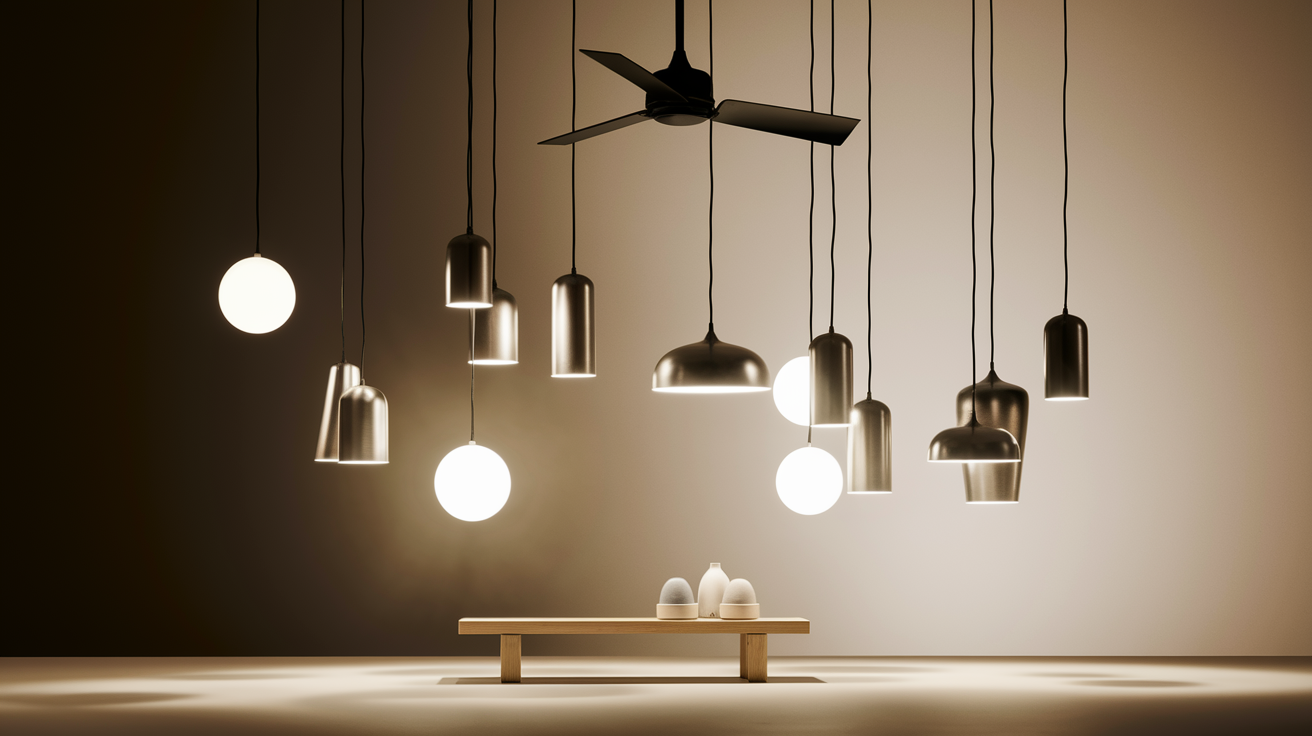
Lighting upgrades are the highest-ROI renovation per dollar spent because they cost $200 to $1,500 for a typical property and return $1,000 to $4,000 in added appraised value. That’s an ROI range of 150 to 300 percent. New light fixtures, ceiling fans, dimmer switches, and LED bulbs dramatically change how a property looks and feels during showings and appraisal visits. They signal to appraisers and tenants that the property has been updated and maintained.
Most BRRRR investors replace all ceiling fixtures, add recessed lighting in kitchens and living areas if the ceiling allows, install ceiling fans in bedrooms, and swap outdated wall sconces in bathrooms and hallways. Modern fixtures (brushed nickel, matte black, or simple white designs) photograph well and align with current tenant expectations. Dimmer switches cost $10 to $30 each and add perceived luxury and energy control for almost no money.
LED color temperature matters more than most investors realize. Warm white LEDs (2700K to 3000K) work best in bedrooms, living rooms, and dining areas because they feel cozy and inviting. Bright white or daylight LEDs (4000K to 5000K) work better in kitchens, bathrooms, and utility spaces because they make tasks easier and spaces feel cleaner. Mixing color temperatures in adjacent rooms creates a disjointed feel, so stick to one temperature range throughout the main living areas and a second range in task-focused spaces.
Curb Appeal Enhancements for ARV and Appraisal Wins
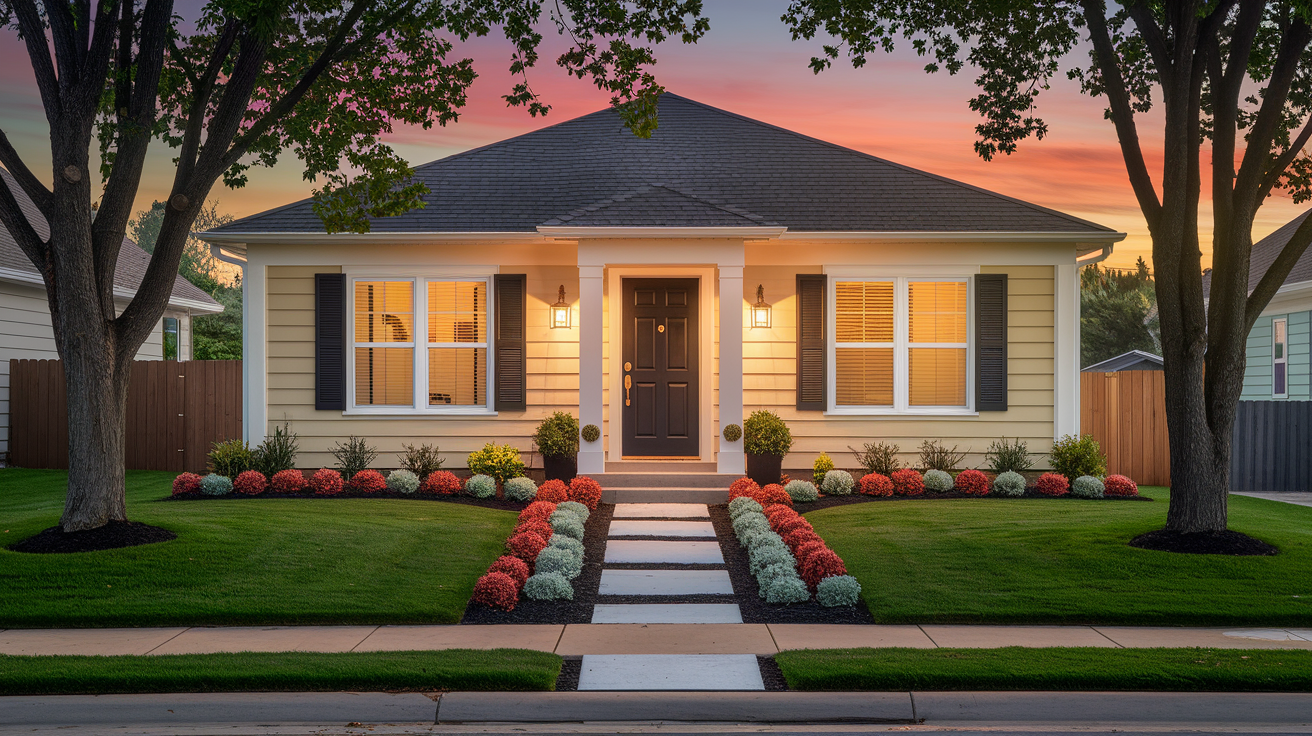
Curb appeal upgrades return some of the highest ROI in real estate because they create the first impression for appraisers, tenants, and future buyers. According to the 2025 Zonda Cost vs Value Report, exterior improvements like garage door replacement and steel front door replacement routinely deliver ROI above 200 percent. Even small landscaping and front-entry updates can add $2,000 to $10,000 in appraised value for a spend of just $300 to $3,000.
Appraisers compare your property to recently sold comps, and exterior condition is one of the first comparison points they note. If your property has overgrown landscaping, peeling paint, a damaged front door, or a weedy lawn, appraisers are more likely to select lower-condition comps or apply condition adjustments that reduce ARV. Spending a few hundred dollars on curb appeal can shift the comp selection in your favor and increase the appraised value by several thousand dollars.
The five highest-impact curb appeal upgrades for BRRRR investors are:
- Mulch, edging, and fresh plantings. Add fresh mulch to flower beds, edge the lawn and walkways, and plant a few small shrubs or perennials near the front entry. Total cost $100 to $600.
- Paint or replace the front door. A freshly painted or new steel front door costs $150 to $700 and creates a dramatic before-and-after difference in listing photos and appraiser notes.
- Exterior lighting. Add or replace porch lights, walkway lights, and garage lights with modern LED fixtures. Cost $100 to $400.
- New mailbox and house numbers. Updated mailbox and large, modern house numbers cost $50 to $300 and make the property easier to find and more visually appealing.
- Pressure wash siding, driveway, and walkways. Pressure washing costs $150 to $500 and removes years of dirt, mold, and staining that make properties look neglected in photos and appraisal reports.
If your budget allows, resodding the front yard or adding a small decorative fence can push ARV even higher in neighborhoods where those features are common. But if you’re working with limited cash, start with mulch, door paint, lighting, and pressure washing before spending on larger exterior projects.
Sequencing Cosmetic Renovations for Faster BRRRR Turnaround
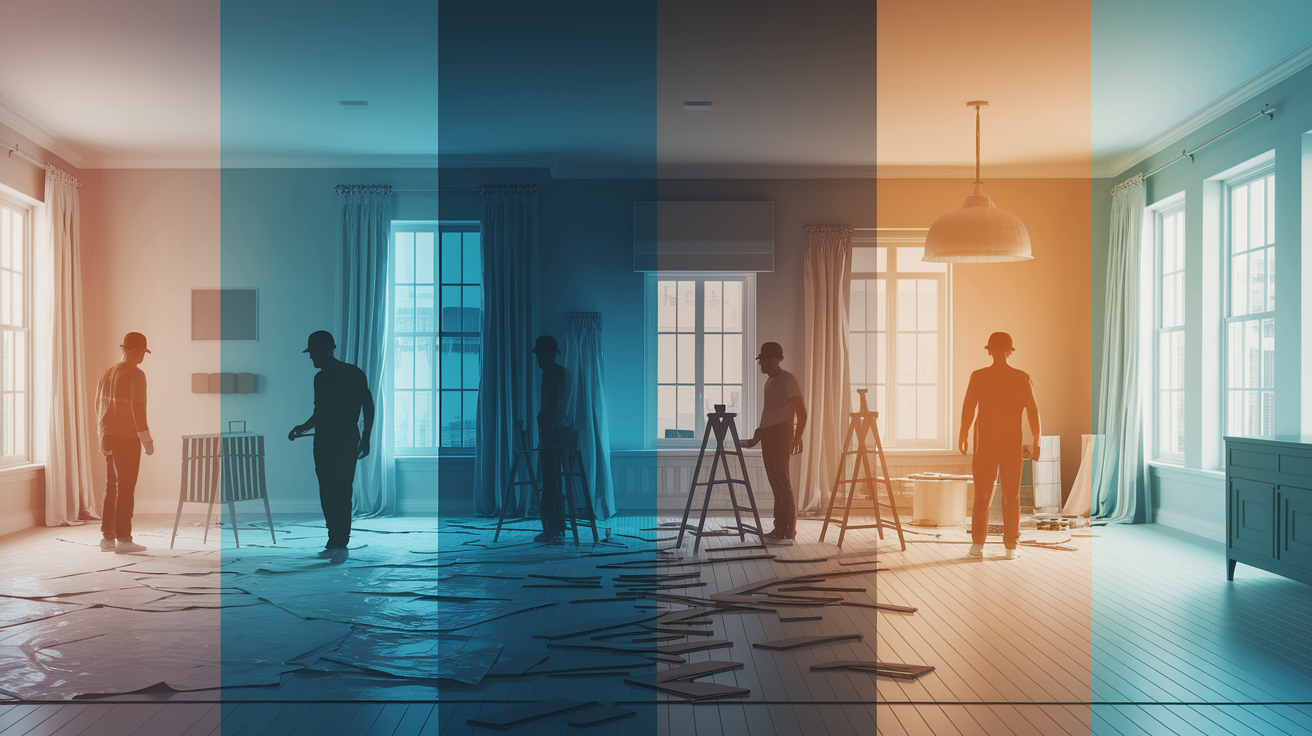
Renovation timeline discipline directly affects BRRRR profitability because every extra week you hold the property increases interest costs, taxes, insurance, and lost rent. The typical cosmetic BRRRR rehab takes three to twenty-one days depending on scope. The fastest wins come from prioritizing paint, lighting, and deep cleaning first before moving to flooring and kitchen or bath work.
The optimal sequencing for most cosmetic BRRRR projects follows this order: paint all walls and ceilings first because it’s messy and covers the largest surface area, then install new flooring so you don’t damage fresh floors during painting, then tackle kitchen and bathroom refreshes that involve plumbing or fixtures, then complete exterior curb appeal work, and finally stage and photograph the property for appraisal and tenant marketing.
Here’s a four-step sequenced renovation plan for a typical 1,200 square foot BRRRR cosmetic rehab:
- Interior paint and minor wall repairs. 1 to 4 days. Knock out all painting before other trades arrive so you don’t have to protect finished surfaces.
- Flooring installation. 1 to 4 days. Install LVP or laminate after paint is dry and before fixtures are placed so you can run flooring under vanities and appliances.
- Kitchen and bathroom refreshes. 2 to 10 days. Cabinet paint, counters, fixtures, grout, and vanity work happen after flooring is in and before final cleaning.
- Exterior curb appeal, lighting, and final cleaning/staging. 1 to 3 days. Complete exterior work last so weather delays don’t hold up interior progress, then clean and stage for photos and appraisal.
If you stick to this sequence and avoid scope creep, you can complete a full cosmetic BRRRR rehab in seven to fourteen days. Faster timelines mean lower holding costs, quicker tenant placement, and faster access to refinance cash. The biggest risk to timeline is starting too many tasks at once or waiting for one contractor to finish before scheduling the next trade. Line up contractors in advance and confirm start dates before closing on the property.
DIY vs Contractor Choices for BRRRR Cosmetic Work
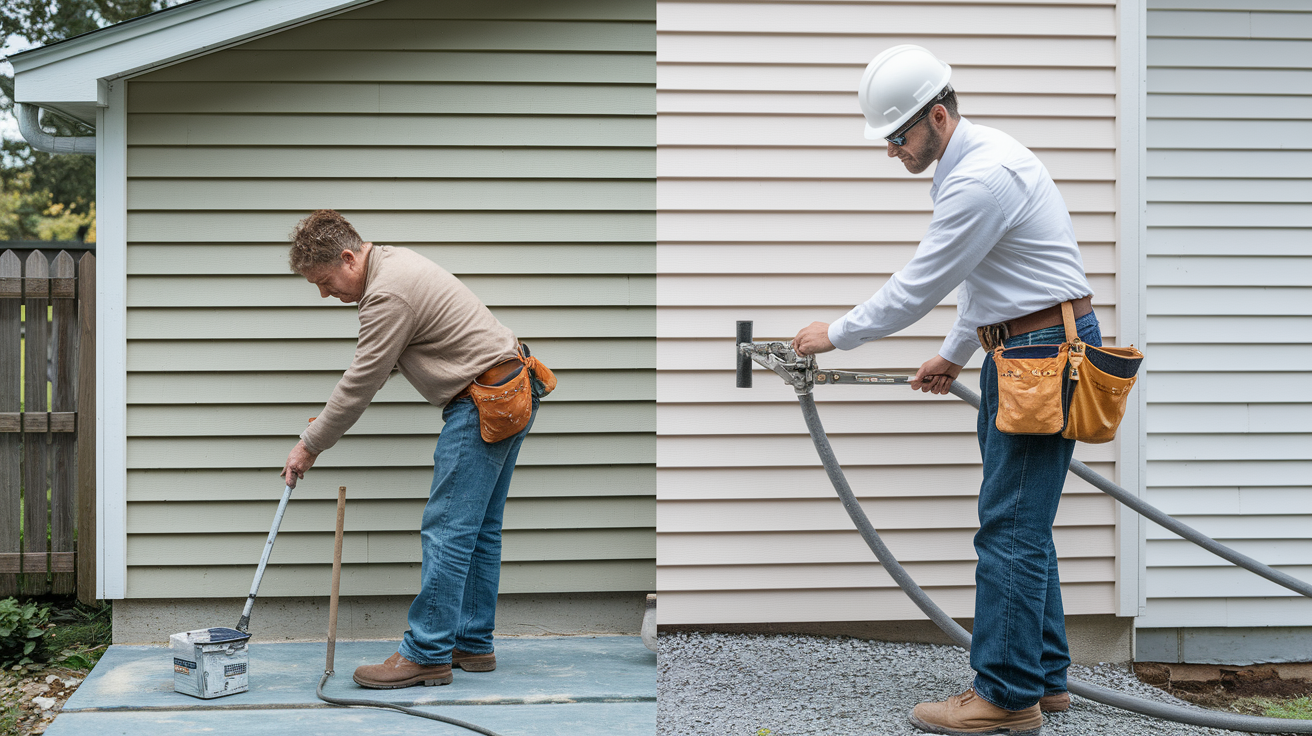
Deciding which tasks to DIY and which to hire out depends on your skill level, available time, and risk tolerance. Some cosmetic upgrades are easy, safe, and forgiving for beginners. Others require permits, licenses, and specialized tools that make contractor hiring the smarter choice even when DIY looks cheaper on paper.
DIY-friendly tasks include interior painting, cabinet hardware installation, light bulb and fixture swaps, simple landscaping like mulching and planting, and installing peel-and-stick backsplash or floating shelves. These tasks don’t require permits. They don’t involve major safety risks. Mistakes are easy to fix or redo without expensive consequences. If you have basic tools and a weekend, you can knock out paint, hardware, and lighting upgrades yourself and save $500 to $2,000 in labor.
Contractor-recommended tasks include electrical work beyond swapping fixtures, plumbing beyond faucet replacement, HVAC service or replacement, tile installation, cabinet refinishing that requires spraying, and any work that involves structural changes, gas lines, or permits. Labor typically accounts for 30 to 60 percent of flooring costs, 40 to 70 percent of kitchen refresh costs, and around 50 percent of bathroom remodel costs. Hiring pros is expensive but faster and safer when the work is complex or regulated. Always get at least two quotes, check references, confirm insurance and licensing, and clarify scope, timeline, and payment terms before signing contracts.
Real BRRRR Examples of Cosmetic Rehab ROI
Seeing actual numbers makes the ROI math clearer. Here are two real-world BRRRR cosmetic rehab examples showing purchase price, itemized rehab costs, resulting ARV, and percent return on rehab spend.
| Project Example | Rehab Cost | ARV Increase | ROI % |
|---|---|---|---|
| Example A: $120,000 purchase, $8,500 rehab, $150,000 ARV | $8,500 | $30,000 | 253% |
| Example B: $90,000 purchase, $15,000 rehab, $130,000 ARV | $15,000 | $40,000 | 166% |
In Example A, the investor bought a tired single-family rental in a stable neighborhood and spent $8,500 on cosmetic upgrades: $1,500 for interior paint, $4,500 for LVP flooring in 1,000 square feet, $1,500 for a basic kitchen refresh including cabinet paint and new hardware, $1,000 for a bathroom vanity and fixture swap, and $500 for lighting and curb appeal. The property appraised at $150,000 after rehab, creating $30,000 in new value. The net value gain versus rehab spend was 253 percent. The investor refinanced at 75 percent LTV on the ARV for $112,500, pulling out enough cash to cover the purchase price and most closing costs.
In Example B, the investor bought a dated duplex for $90,000 and invested $15,000 in cosmetic work: $6,000 for cabinet refacing and new countertops in both units, $5,000 for LVP flooring throughout, $2,000 for bathroom updates in both units, and $2,000 for exterior touch-ups including fresh paint on trim and a new front door. The property appraised at $130,000, creating $40,000 in new equity. The ROI on rehab was 166 percent. The refinance at 75 percent LTV on ARV returned $97,500, allowing the investor to recover the purchase price and rehab costs while keeping the property as a cash-flowing rental.
Both examples show typical appraised value uplifts for each upgrade category. Interior paint routinely adds $3,000 to $12,000 in value depending on property size and baseline condition. LVP flooring adds $5,000 to $15,000. Kitchen refreshes that avoid full gut jobs add $8,000 to $25,000. Bathroom refreshes add $4,000 to $15,000. Lighting upgrades add $1,000 to $4,000. Curb appeal adds $2,000 to $10,000. When you stack these upgrades together on a property that started below neighborhood baseline, the combined ARV lift routinely hits 150 to 300 percent of the rehab spend. That’s the sweet spot for profitable BRRRR execution.
Final Words
In the action: focus on quick wins, fresh paint, LVP flooring, kitchen and bath touch-ups, lighting, and curb appeal.
Follow the budget rule: 5-10% of ARV, sequence for speed (paint first, then floors, then kitchens/baths), and keep contingency. DIY painting and hardware swaps save money; hire pros for electrical, plumbing, and complex tile.
simple cosmetic renovations with highest ROI for BRRRR deliver predictable ARV lifts, faster rent, and smoother refinance. Do the math, keep reserves, and you’ll sleep better knowing you planned for downside.
FAQ
Q: What renovations have the highest ROI?
A: The renovations with the highest ROI are interior paint, LVP flooring, kitchen and bathroom refreshes, lighting swaps, and curb appeal—typical ROIs run 80–300% with low-cost, high-value lifts.
Q: What is the 30% rule for renovations?
A: The 30% rule for renovations recommends keeping rehab costs under 30% of ARV (or purchase price in some interpretations) to avoid over-improving; for cosmetic BRRRR aim 5–10% of ARV.
Q: What is the 70% rule for brrrr?
A: The 70% rule for BRRRR says buy no more than 70% of ARV minus rehab costs: Max purchase = ARV × 0.7 − rehab. Use it as a quick conservative buy screen.
Q: What is the 3-3-3 rule in real estate?
A: The 3-3-3 rule in real estate is a simple reserve-and-allowance guideline: keep three months of reserves, plan for about 3% vacancy, and budget roughly 3% for annual maintenance.