

Want to skip bidding wars and buy before the crowd?
Off-market houses—properties not on the MLS—give you that chance: fewer buyers, more room to negotiate, and often a faster close.
They’re hidden for reasons like privacy, probate, or sellers avoiding agent fees.
This post shows four practical ways to find them: driving for dollars, direct outreach (letters and calls), public-record searches, and plugging into investor networks and wholesalers.
Read on and you’ll get quick screens, outreach scripts, and what to watch for so you can start finding off-market deals this week.
How to Find Off-Market Properties (Quick Start Guide)

Off-market properties aren’t on the MLS or Zillow. Sellers skip the public listing for a bunch of reasons: they want privacy, they’re testing the waters, or they just don’t feel like paying agent commissions and dealing with open houses. For you, that means fewer buyers circling the same house, no bidding wars, and actual room to talk about price and terms.
Four methods work consistently. Driving for dollars gets you out in neighborhoods looking for vacant or beat-up homes. Direct outreach (letters, calls) puts you in touch with owners who haven’t bothered to list yet. Public record searches uncover probate cases, tax trouble, and foreclosure notices. And networking with other investors, agents, and wholesalers gets you in front of deals before anyone else sees them.
Here’s how to start finding off-market stuff this week:
Driving for dollars. Pick three neighborhoods you want to buy in. Drive every street. Look for overgrown grass, broken fences, curtains that never open. Use your phone to snap a photo and jot down what you see. When you’re home, pull the owner’s name and mailing address from your county assessor site.
Direct outreach. Write a short note by hand. Mention the exact address, why you like that area, and that you’re ready to buy. Put your phone number and email on it. Mail it within two days of logging the property.
Public records. Go to your county clerk or recorder website. Search probate filings, pre-foreclosure notices, delinquent tax lists. Grab the owner contact info and add those addresses to your outreach pile.
Networking. Join one local investor meetup or an online group. Tell everyone you’re buying and spell out what you want: location, price range, property type. Ask who knows wholesalers or agents sitting on pocket listings.
Direct Mail Strategies for Off-Market Leads

Direct mail reaches homeowners who aren’t scrolling Redfin or talking to agents. A lot of off-market sellers never think about listing until something lands in their mailbox. Investors who stick with it report needing five to seven touches before someone responds, so you can’t quit after one round.
Your list matters more than your postcard design. Start with absentee owners living out of state who are tired of managing a rental from two time zones away. Add free-and-clear owners with no mortgage who can sell fast without waiting on a lender. Include equity-rich homeowners who’ve owned ten years or longer, since they’ve got appreciation cushion and more pricing flexibility. Tax-delinquent owners and properties with code violations usually have some financial or maintenance pressure pushing them toward a sale.
A good mailer needs five things:
Personalized greeting. Use the owner’s name and the full property address so it doesn’t look like junk mail.
Clear reason you’re reaching out. Say why you care about that specific house or neighborhood. “I grew up two blocks from Oak Street and want to raise my family here” beats generic fluff.
Your buyer status. Say you’ve got financing ready or can pay cash. Mention you buy as-is and don’t need repairs done.
Fair price assurance. Tell them you’ll pay fair market value or work together to find a number that makes sense. Skip the lowball talk.
Simple next step. One phone number, one email. Invite them to call whenever, no pressure.
Working with Wholesalers and Investor Networks

Wholesalers lock up properties under contract before the MLS ever sees them, then flip the contract to you for a fee. They’re out there every day doing direct mail, driving for dollars, combing public records. When you tap into an active wholesaler, you skip that grind and get a stream of curated deals.
The catch? Wholesaler deals usually want earnest money that’s non-refundable if you walk. And because the wholesaler might not own the property yet, some traditional lenders won’t touch the transaction. You’ll need cash reserves or a hard-money lender who gets how assignment contracts work. Always confirm the contract is assignable and your lender will fund it before you send earnest money anywhere.
Investor networks give you another path. Local real estate clubs, online forums, LinkedIn groups. People share pocket listings and private referrals inside those circles. Show up to monthly meetups, introduce yourself, say exactly what you’re buying. Other investors who can’t close a deal will pass it to you if they think you’ll move fast. Word-of-mouth referrals from fellow investors carry weight because the person handing it off already did some vetting and knows the seller’s timeline.
Finding Probate and Pre-Foreclosure Opportunities

Probate properties show up when a homeowner dies and the heirs inherit. A lot of times the heirs live somewhere else, don’t want to manage the house, and need to settle the estate quickly. Probate filings are public. Search your county clerk or probate court website. Once you find a case, send a letter to the estate’s executor or attorney saying you’re interested in buying before it goes public.
Pre-foreclosure homes appear in notices after the lender files a notice of default but before the auction. Homeowners facing foreclosure have a deadline and often prefer selling privately over losing everything at a trustee sale. County trustee or recorder websites publish these notices. Some data platforms bundle them into searchable lists. Timing’s everything. Contact too early and they still think they can catch up on payments. Wait too long and the property hits auction, where you’re competing with cash bidders on courthouse steps.
Both situations require some sensitivity. Sellers are dealing with grief, money stress, or both. Your letter should acknowledge the situation briefly, say you’re genuinely interested in helping them move forward, and offer a simple solution with zero obligation. Don’t be pushy. One follow-up call or letter a few weeks later is fine. Anything more feels intrusive.
For-Sale-By-Owner (FSBO) Tactics for Off-Market Deals
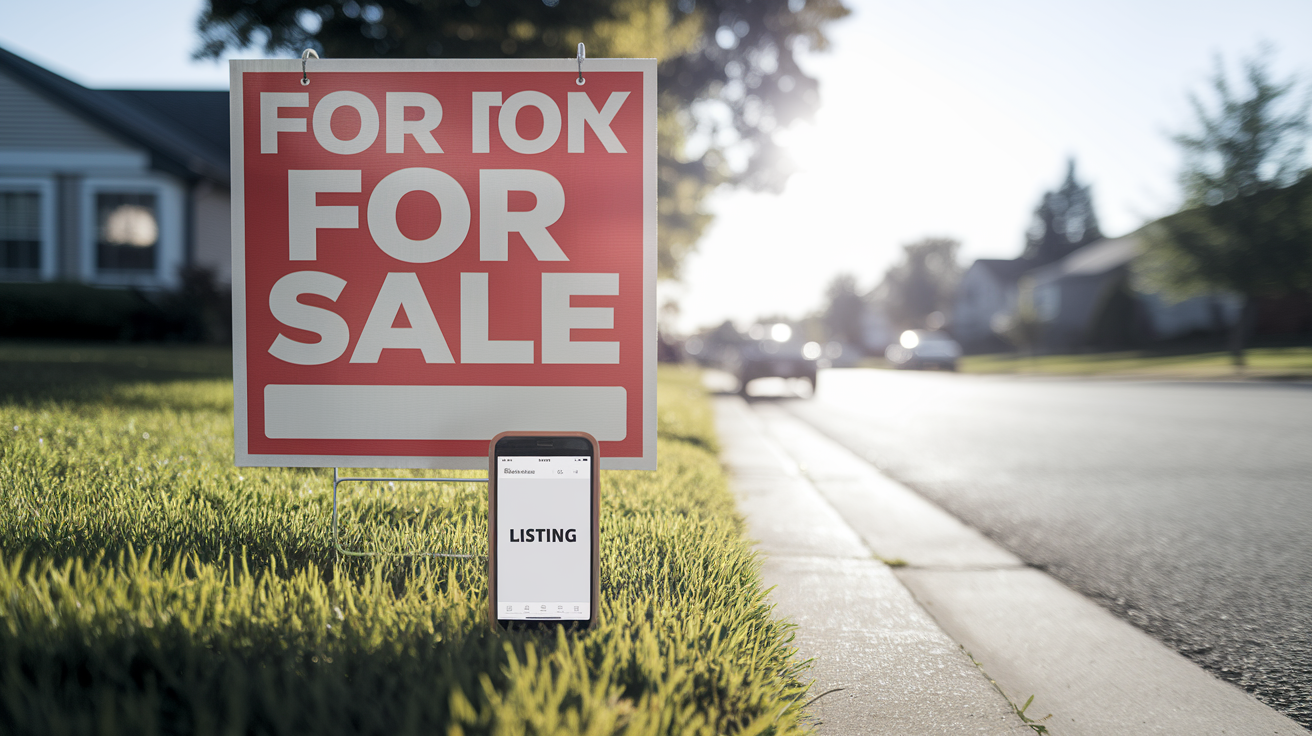
FSBO sellers skip agents to avoid paying 5 or 6 percent commission. Some FSBO homes land on niche sites like ForSaleByOwner.com or Craigslist, but plenty of sellers just stick a sign in the yard, post on Facebook, or tell neighbors. That’s where your off-market opportunity sits.
Start with Craigslist, Facebook Marketplace, and local Facebook groups for housing or neighborhood sales. Search every week, save anything interesting to a spreadsheet. Drive your target neighborhoods on weekends and look for handmade yard signs that say “For Sale By Owner” or just have a phone number. When you spot one, snap a photo, write down the address, call within 24 hours. FSBO sellers usually get fewer calls than they expect, so early contact puts you first in line.
What works with FSBO outreach:
Lead with your readiness. Mention pre-approval or proof of funds in your opening sentence. FSBO sellers worry about time wasters.
Ask about timeline and motivation. Understanding why they’re selling lets you build an offer that solves their actual problem, whether that’s a fast close or a delayed move-out.
Offer to handle the paperwork mess. Lots of FSBO sellers underestimate contract and title work. Suggest hiring a real estate attorney or using a title company, and offer to coordinate it.
Respect their pricing research. FSBO sellers have usually looked at comps. If the asking price is high, present your own comps gently and frame your offer as fair market value, not a lowball.
Using Public Records to Identify Off-Market Opportunities

County assessor and clerk databases publish ownership details, tax history, lien filings, transfer records. Those data points show you homeowners under financial pressure, absentee landlords, properties with unresolved legal stuff. All of that makes an owner more likely to consider an off-market sale.
Start at your county assessor website. Most let you search by owner name, address, or parcel number. Pull the ownership record, check the mailing address, compare it to the property address. If they don’t match, the owner’s absentee. Next, look at tax payment status. Delinquent taxes mean cash-flow trouble. Then hit the county recorder or clerk site and search for liens, judgments, lis pendens filings (pre-foreclosure), code violations. Each one creates urgency or complexity that makes a private sale look attractive.
| Property Indicator | Why It Signals Opportunity |
|---|---|
| Absentee owner (mailing address differs from property address) | Out-of-state landlords often want to exit without the hassle of listing and showing a property remotely. |
| Delinquent property taxes | Unpaid taxes indicate financial distress and create a deadline before the county can initiate a tax lien sale. |
| Mechanics lien or HOA lien filing | Unresolved liens complicate traditional sales; owners may accept a quick private offer to clear title and move on. |
Specialized Tools and Databases for Off-Market Searches

Real estate data platforms like PropStream, DealMachine, and Remine pull together public records, equity estimates, ownership timelines, predictive analytics into one searchable dashboard. Instead of bouncing between county websites, you filter one database by stuff like years owned, estimated equity, absentee status, recent code violations. The software spits out a lead list with mailing addresses. Some platforms print and mail letters for you automatically.
Monthly fees run $50 to $200, depending on features and lead volume. If you’re running consistent campaigns, the time savings pay for it. You can export leads, track who you’ve contacted, measure response rates all in one spot. Some include mobile apps for driving for dollars. Snap a photo of a property, tag it on a map, pull the owner record while you’re still parked out front.
Predictive analytics take it further. Platforms score properties based on likelihood to sell, using length of ownership, mortgage status, neighborhood turnover, owner age. High-scoring leads get bumped up your outreach queue. If you’re new to off-market, start with a free trial or the cheapest tier, test one neighborhood, scale up only after you’ve had a few actual conversations with motivated sellers.
Legal Considerations, Outreach Scripts, and Cost Comparisons

Direct outreach to homeowners is legal everywhere, but some states and cities regulate cold calling, texting, or door knocking under solicitation or do-not-call rules. Written mail has the fewest restrictions. If you’re calling or texting, scrub your list against the National Do Not Call Registry and any state lists. Door knocking’s generally allowed, but respect “no soliciting” signs and leave immediately if someone asks. Trespassing or ignoring posted notices can get you fined or tank your reputation in a small market.
A simple script keeps things clear and low pressure. For a phone call: “Hi, my name is [Name]. I’m a local buyer and I’m interested in purchasing a home on [Street Name]. I noticed your property at [Address] and wanted to see if you’d ever consider selling. I can close quickly, pay fair market value, and buy the home as-is with no repairs needed. If you’re open to a conversation, I’d love to hear what works for your timeline.” For a letter, write the same thing by hand on a notecard, add your contact info, mail it in a handwritten envelope. Handwritten stuff gets opened way more than printed postcards.
Marketing costs vary by channel and scale. Here’s what a consistent off-market campaign usually runs:
Direct mail (DIY). $0.50 to $1.00 per piece, including printing, postage, list purchase. Mail 200 to 500 letters a month to get 2 to 5 responses. Budget $200 to $500 monthly.
Direct mail (managed service). $1.50 to $3.00 per piece when a vendor handles design, printing, list, and mailing. Monthly cost for 300 pieces: $450 to $900.
Property data platform subscription. $50 to $200 per month for lead lists, skip tracing, CRM tools. Usually requires annual commitment.
Driving for dollars (self-performed). Gas, time, and a smartphone. Under $50 per month unless you hire a driver or pay for an app that automates data capture.
Final Words
Start by running a quick screen: drive for dollars, pull public records, ping your network, and send targeted mailers. Get one small win—maybe a FSBO lead or a probate listing—and learn from it.
You’ll also use tools and wholesalers to scale, and keep legal checks and a simple outreach script ready. Budget a bit for lists and mail; keep reserves for fixes.
This guide showed practical steps for how to find off-market houses for sale. Do one thing today and keep going—progress compounds.
FAQ
Q: What is the 3-3-3 rule in real estate?
A: The 3-3-3 rule in real estate isn’t one universal standard; investors use it differently—often as a quick screen meaning three months reserves, three comparable sales, and a three percent contingency, so confirm the context.
Q: How to find houses that have been taken off the market?
A: To find houses taken off the market, check MLS withdrawn/expired feeds, contact listing agents, search county records for recent transfers, drive neighborhoods, and ask local investors or wholesalers for leads.
Q: Can you buy a house that is off the market?
A: You can buy a house that is off the market if the owner agrees to sell; locate them through direct outreach, brokers, wholesalers, probate or pre-foreclosure lists, then negotiate a private sale.
Q: What is the 70% rule in flipping?
A: The 70% rule in flipping is a quick purchase cap: Maximum Offer = 70% of ARV (after-repair value) minus estimated repair costs; use it as an initial screen, not a final valuation.