
Most investors wildly under-estimate BRRRR rehab costs.
They walk a house thinking paint will fix it, then hit a $30k surprise.
This quick guide gives a room-by-room cost breakdown with real numbers you can plug into your spreadsheet.
Kitchens $5,000–$75,000, baths $3,000–$30,000, bedrooms $500–$6,000, and a fast screen uses $10 per sq ft for cosmetic work or $20 for heavy remodels.
You’ll get typical line items and a 10–20% contingency rule to start underwriting.
Immediate Room-by-Room BRRRR Renovation Cost Breakdown for Fast Estimating
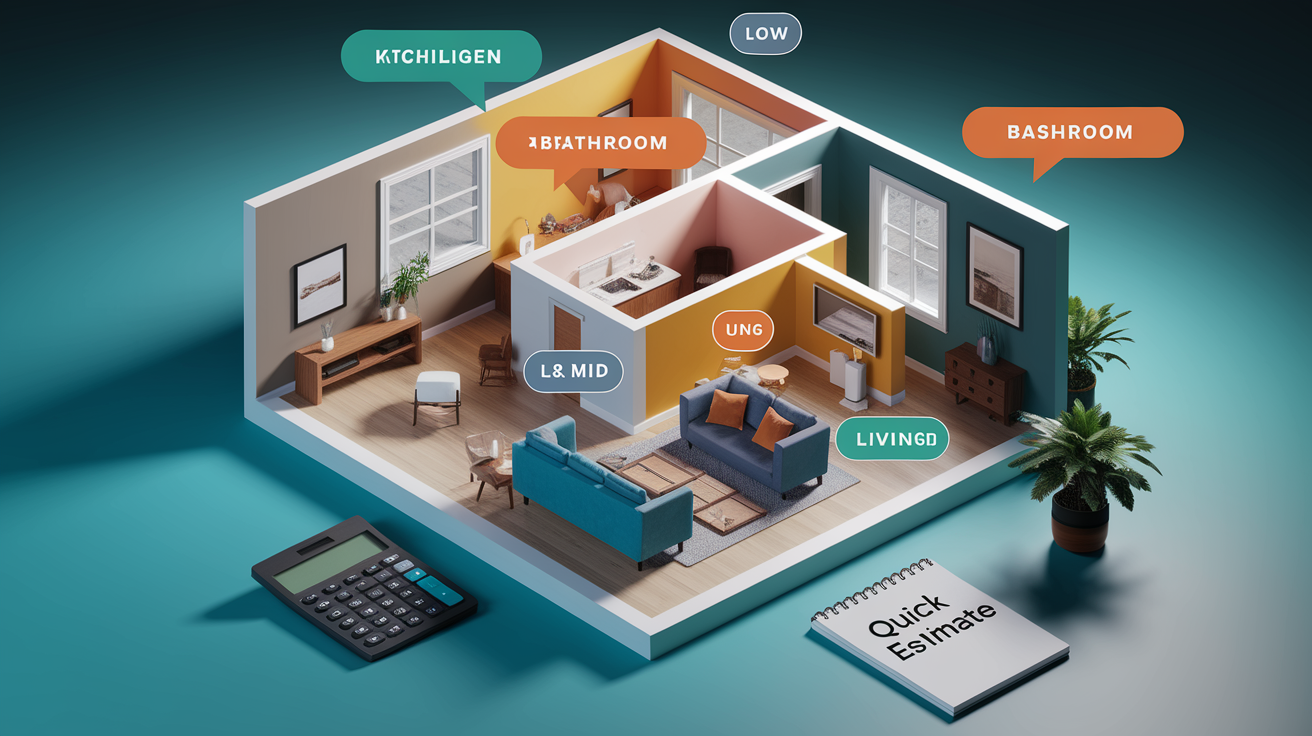
Most investors need ballpark numbers before they walk the property, not after burning half a day on spreadsheets. Quick screen: kitchens run $5,000 to $75,000, bathrooms $3,000 to $30,000, bedrooms $500 to $6,000, living rooms $1,000 to $12,000. Basements can cost $1,000 for basic moisture work or push past $75,000 for a full finish. These ranges shift based on material quality, local labor rates, and whether you’re keeping walls where they are or moving plumbing around.
The table below gives you plug and play numbers for underwriting. Use the low range when bones are good and you’re doing cosmetic work only. Paint, flooring, fixtures. Use the mid range when you’re replacing cabinets, updating electrical and plumbing rough-ins, or doing tile work. Use the high range when you’re moving walls, upgrading to premium finishes, or dealing with structural problems that show up during demo. Tack on 10 to 20 percent contingency on top of these totals and you’re ready to run a first pass deal analysis.
For a faster high level estimate before you even walk the property, use $10 per square foot for cosmetic lipstick rehabs. Paint, LVP flooring, new fixtures. Use $20 per square foot for heavy remodels that include kitchens, bathrooms, and systems work. A 1,200 square foot single family property needing cosmetic work pencils out around $12,000. Heavy rehab on the same footprint runs closer to $24,000. Use those numbers to screen deals, then build your room by room budget once you’re serious.
| Room | Low Range | Mid Range | High Range | Key Cost Drivers |
|---|---|---|---|---|
| Kitchen | $5,000–$12,000 | $12,000–$35,000 | $35,000–$75,000+ | Cabinet quality, countertop material, appliance package, layout changes, electrical/plumbing rough-ins |
| Bathroom (full) | $3,000–$7,000 | $7,000–$15,000 | $15,000–$30,000+ | Plumbing rough-in cost, tile labor, fixture quality, tub/shower replacement vs reglaze |
| Bedroom | $500–$2,000 | $2,000–$6,000 | $6,000+ | Flooring replacement, paint, closet systems, lighting upgrades, trim work |
| Living Room | $1,000–$4,000 | $4,000–$12,000 | $12,000+ | Flooring type/quality, paint, popcorn ceiling removal, structural changes |
| Basement | $1,000–$10,000 | $12,500–$37,500 | $37,500+ | Moisture mitigation, framing/drywall, egress windows, bathroom addition, finish level |
Kitchen Renovation Cost Breakdown for BRRRR Deals

Kitchens move the ARV needle more than any other room when done right. But they’ll burn through your budget fast if you’re not careful. The low end, $5,000 to $12,000, covers refacing or painting existing cabinets, installing laminate countertops, adding budget appliances around $1,500 total, and putting down vinyl plank flooring. Demo runs $300 to $1,200 depending on how much old material needs hauling. The mid range, $12,000 to $35,000, gets you semi-custom cabinets or full cabinet replacement in the $6,000 to $15,000 range, quartz or mid grade granite countertops at $40 to $100 per square foot installed, a tile backsplash, and appliances in the $2,500 to $5,000 range. Electrical and plumbing rough-ins can add $500 to $3,000 each if you’re moving outlets, adding under-cabinet lighting, or relocating the sink.
The high end, $35,000 to $75,000 and up, involves custom cabinetry starting at $15,000, premium countertops at $50 to $150 per square foot, high end appliances from $5,000 to $12,000, and structural changes like removing walls or relocating plumbing lines. Every time you move a wall or a drain line, you add permit risk, inspection delays, and labor hours. For BRRRR deals, the mid range typically delivers the best ARV uplift per dollar spent. Appraisers and renters both notice updated cabinets, clean countertops, and functional layouts. They don’t pay a premium for custom finishes in rental grade properties.
Typical kitchen line item costs to plug into your spreadsheet:
Demo and haul away: $300 to $1,200. Cabinets: stock $2,000 to $6,000, semi-custom $6,000 to $15,000, custom $15,000 and up. Countertops: laminate $500 to $1,500, quartz $1,500 to $8,000, granite $2,000 to $8,000 installed. Appliances: budget package $1,200 to $2,500, mid $2,500 to $5,000, high end $5,000 to $12,000. Plumbing rough-in and fixtures: $500 to $2,500. Electrical rough-in, outlets, lighting: $500 to $3,000.
Bathroom Remodel Cost Breakdown for BRRRR Projects
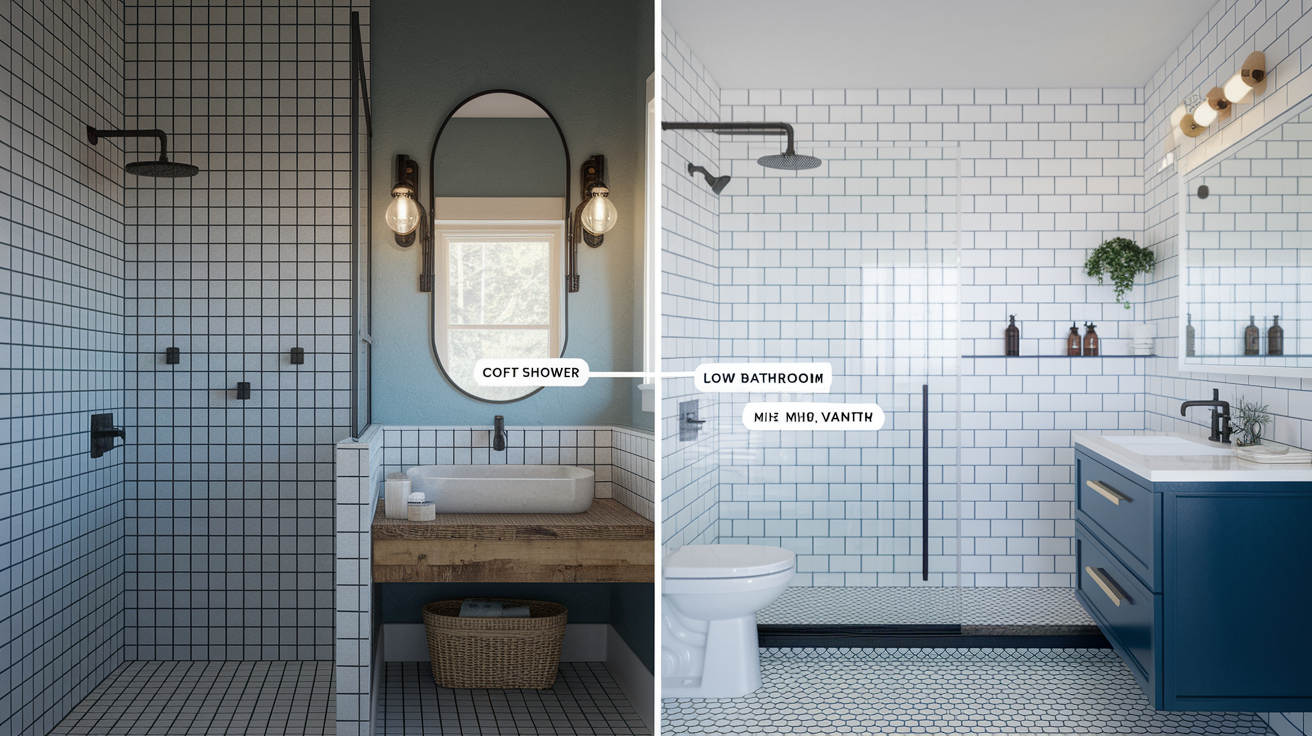
Bathrooms sit right behind kitchens in ARV impact. They’re easier to budget because the scope’s smaller and the layout options are limited by existing plumbing. A low end bathroom remodel, $3,000 to $7,000, covers a new toilet, a basic vanity with laminate countertop, a tub or shower surround instead of full tile, vinyl tile flooring, and simple fixtures. Demo runs $200 to $800. You can save money by reglazing the existing tub or tile for $300 to $1,200 instead of ripping it out. Mid range bathrooms, $7,000 to $15,000, include a new tub or shower pan, full tile work with labor running $1,000 to $8,000 depending on square footage and pattern complexity, a mid grade vanity with stone or quartz countertop, upgraded fixtures, and a heated exhaust fan. Plumbing rough-in costs $500 to $3,000 depending on whether you’re moving drains or adding a second sink.
High end bathrooms, $15,000 to $30,000 and up, bring in soaking tubs, steam showers, dual vanities with custom cabinetry, premium tile, heated floors, and high end fixtures. For BRRRR investors, high end finishes rarely pencil out unless the ARV comp set includes similar upgrades and the market supports the cost. Most rental grade properties sit in the mid range. Tenants and appraisers both notice clean tile, functional plumbing, and good lighting. They don’t pay a premium for luxury finishes.
Plumbing rough-in drives a lot of the cost variability. If you’re keeping the toilet, tub, and vanity in the same spots, rough-in stays low. If you’re moving the vanity to the opposite wall or adding a second sink, plumbing labor climbs fast because you’re cutting into walls, rerouting drains, and adding vents. Always get a fixed price scope from your plumber that includes permits and inspections if required. Confirm the quote covers unexpected issues like corroded cast iron drains or outdated venting that doesn’t meet current code.
Bedroom and Living Room Cosmetic Upgrade Costs in BRRRR Renovations
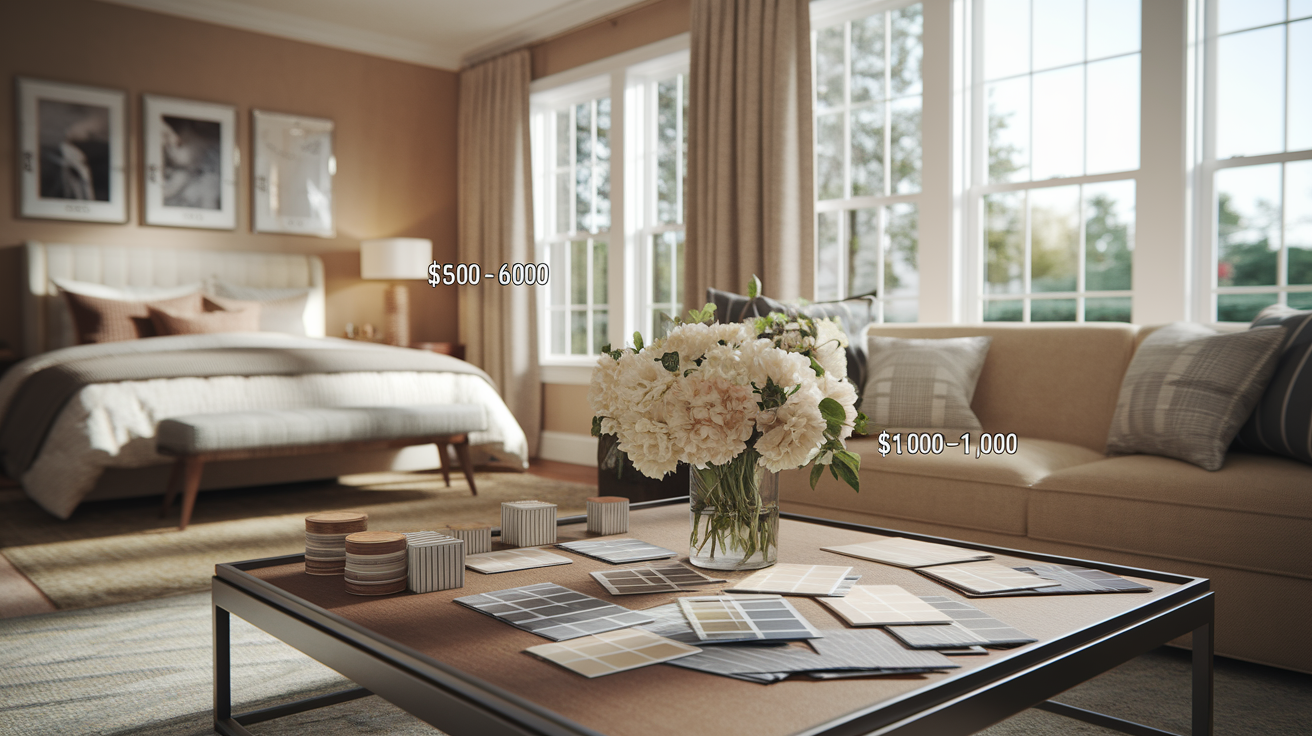
Bedrooms and living rooms cost less per square foot than kitchens and bathrooms. But they add up fast when you’re doing a whole house rehab. A low cost bedroom refresh, $500 to $2,000, covers paint at $150 to $600 per room, basic trim touch ups, and closet hardware. Mid range bedroom upgrades, $2,000 to $6,000, add new flooring at $800 to $3,500 depending on material choice, upgraded lighting at $150 to $800, and closet organizers or built-in shelving at $200 to $1,500. Living rooms follow a similar pattern. Low end cosmetic work runs $1,000 to $4,000 for paint and carpet or vinyl plank flooring. Mid range upgrades hit $4,000 to $12,000 when you add hardwood or premium LVP, new baseboards and crown molding, and recessed lighting.
High end finishes, $6,000 and up for bedrooms, $12,000 and up for living rooms, involve structural changes like removing walls to create open plan layouts, adding built-in cabinetry or entertainment centers, upgrading windows, or installing high end hardwood. For BRRRR deals, stick to the low or mid range unless the ARV comp set clearly supports the upgrade cost. Most renters and buyers care more about clean, neutral finishes and functional layouts than custom millwork or designer paint colors.
Common cosmetic upgrades that improve rent readiness without breaking the budget:
Interior paint with neutral colors: $1 to $3 per square foot total, materials plus labor. Vinyl plank or laminate flooring: $1.50 to $6 per square foot installed. Engineered hardwood $4 to $12 per square foot. Carpet cleaning for existing carpet: commercial grade cleaning $200 to $600 vs replacement $800 to $3,500. Popcorn ceiling removal: $500 to $3,000 depending on room size and whether the ceiling needs retexturing afterward.
Basement Rehab and Finishing Costs Within BRRRR Strategy

Basements sit in two cost categories. Unfinished repairs and full finish-outs. Unfinished repairs, $1,000 to $10,000, cover moisture mitigation like sump pumps, interior drainage systems, crack sealing, and mold remediation. These repairs don’t add square footage or bedrooms, but they protect the property from ongoing water damage and keep the appraisal clean. Finishing a basement, $25 to $150 per square foot, adds livable space that can boost ARV and rental income. Especially in markets where an extra bedroom or family room increases rent by $200 to $500 per month.
A typical 500 square foot finished basement runs $12,500 to $37,500 at the low to mid range. That covers framing, drywall, basic flooring like LVP or carpet, electrical rough-in, and lighting. Higher end finishes, $75 to $150 per square foot, include a full bathroom, egress windows for legal bedrooms, upgraded flooring, and built-in storage or wet bar. Always check local code requirements for egress windows, ceiling height, and emergency exits before budgeting a basement finish. Non-conforming space won’t count toward square footage in the appraisal and won’t support a higher refinance valuation.
| Line Item | Typical Cost Range |
|---|---|
| Moisture mitigation (sump pump, drainage, sealing) | $1,000–$10,000 |
| Framing and drywall (per sqft finished) | $8–$25/sqft |
| Flooring (LVP or carpet) | $1.50–$6/sqft installed |
| Egress window installation | $2,500–$6,000 per window |
Electrical, Plumbing, HVAC, and Major Systems Cost Breakdown
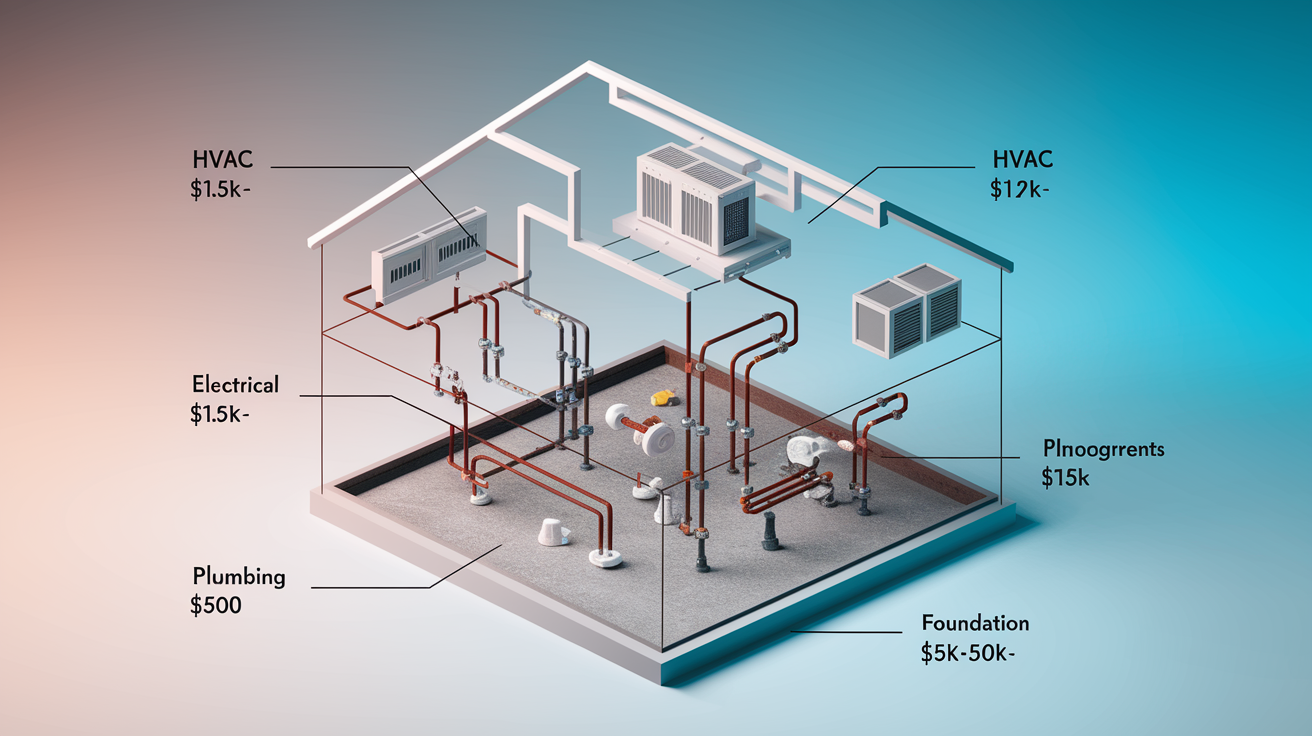
Major systems drive a lot of the cost variability in BRRRR deals because they’re expensive, unpredictable, and hard to spot during the initial walkthrough. HVAC replacement runs $3,500 to $12,000 depending on system size, efficiency rating, and whether you’re adding ductwork or upgrading to zoned heating and cooling. Roof replacement costs $5,000 to $20,000 depending on square footage, pitch, and material. Asphalt shingles sit at the low end, metal or tile at the high end. Water heaters run $500 to $2,500 depending on tank size and fuel type, with tankless units hitting the upper end. Electrical service upgrades, $1,500 to $8,000, become necessary when the existing panel is outdated, undersized, or unsafe. Especially in older properties where the service is still 60 or 100 amps instead of the modern 200 amp standard.
Plumbing issues can blow up fast. A simple fixture replacement costs a few hundred dollars, but mainline sewer repairs run $1,000 to $15,000 depending on whether you’re patching a section or replacing the entire line from the house to the street. Foundation repairs sit at the extreme end, $5,000 to $50,000 and up. They often surface during demo when you discover settling cracks, bowing walls, or drainage problems that weren’t visible during the initial inspection. Always include a structural inspection or at least a detailed contractor walkthrough before you close if you see any red flags. Sloping floors, sticking doors, or cracks in the foundation or exterior walls.
Labor rates for skilled trades vary by region but typically run $40 to $150 per hour. Electricians on the lower end might charge $50 to $75 per hour in secondary markets, while high cost metros push rates to $100 to $150 per hour. A typical lighting rewiring job, replacing outdated fixtures, adding recessed lighting, upgrading switches, can take two days at roughly $100 per hour. Total $1,000 to $3,000 depending on the number of fixtures and the complexity of the rough-in work. Plumbers and HVAC techs follow similar rate structures, so always get fixed price bids for systems work instead of hourly estimates. The scope can expand fast once walls are open.
Cost-Saving Strategies to Improve ARV in BRRRR Renovations
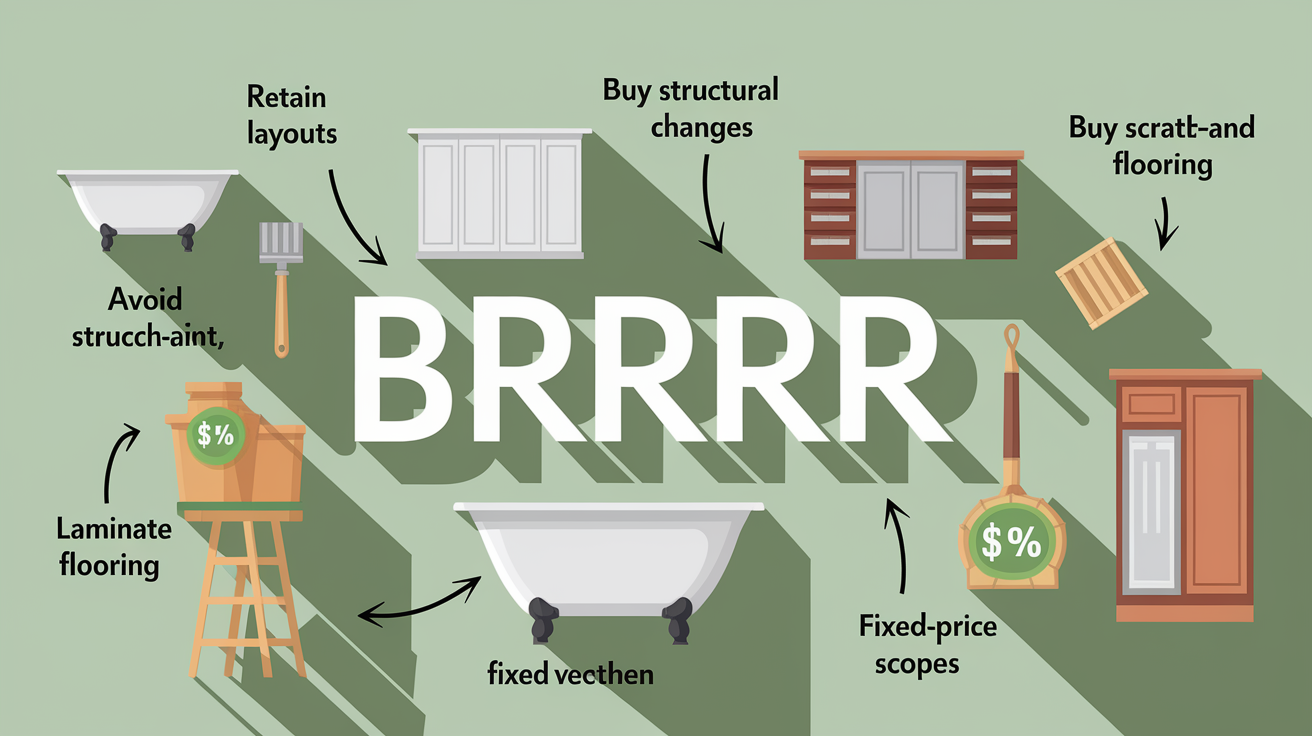
Kitchens and bathrooms give you the best ARV return per dollar spent, so prioritize those rooms first. Then move to flooring, paint, and curb appeal. Mid range finishes, quartz or granite countertops, semi-custom cabinets, tile showers, durable LVP flooring, deliver the strongest ARV uplift because appraisers and buyers both notice them. They don’t carry the premium cost of custom or luxury finishes. Avoid structural changes unless the ARV comp set clearly supports the cost. Moving walls, relocating kitchens, or adding square footage increases permit risk, inspection delays, and labor hours without always delivering a proportional ARV increase.
Cabinet refacing or painting can save $1,500 to $7,000 compared to full replacement when the cabinet boxes are structurally sound and the layout works. Reglazing tubs and tile costs $300 to $1,200 and can stretch another five to ten years of life out of an older bathroom. Compare that to $1,500 to $6,000 for a full tub or tile replacement. Buying materials yourself instead of letting contractors supply them cuts out the markup, typically 10 to 30 percent, and gives you more control over quality and finish consistency across rooms.
Cost saving tactics that protect ARV while lowering rehab spend:
Retain existing layouts to avoid plumbing and electrical rough-in work. Moving a kitchen sink adds $1,000 to $5,000 in plumbing and permit costs. Source scratch and dent appliances or last year models for rental units. Savings of $500 to $2,000 per property. Use commercial grade carpet cleaning to refresh existing carpet. Cost $200 to $600 vs replacement at $800 to $3,500. Increase vinyl plank flooring area in hallways and common spaces to stretch the flooring budget. LVP is more durable and cheaper than carpet or hardwood. Negotiate fixed price scopes with clear material allowances and draw schedules tied to milestones. Require lien waivers at each payment to protect against mechanic’s liens.
Permits, Labor Rates, Contingency, and Soft Costs in BRRRR Budgeting

Soft costs, permits, contractor fees, inspections, and contingency, often add 15 to 30 percent on top of your hard cost budget. They’re easy to miss when you’re focused on room by room line items. Permit fees run $500 to $5,000 depending on scope and jurisdiction, with timelines ranging from one to eight weeks. Smaller cosmetic jobs may not require permits in some jurisdictions, but any work involving electrical, plumbing, HVAC, or structural changes typically does. Always check local requirements before you start demo. Unpermitted work can stall your refinance appraisal or force expensive rework if the appraiser or lender flags it.
Labor rates vary by trade and region. General handyman work might run $40 to $60 per hour in lower cost markets, while licensed electricians, plumbers, and HVAC techs charge $75 to $150 per hour depending on location and complexity. General contractors typically charge 10 to 20 percent of the total project cost as a management fee. That covers scheduling, coordination, and warranty oversight. If you’re self-managing the project to save the GC fee, budget extra time for coordination headaches, material ordering, and inspection scheduling. Those tasks take more time than most first time investors expect.
Contingency should sit at 10 to 20 percent of your quoted hard cost budget. Use 15 percent as a safe default for BRRRR underwriting. Use the lower end, 10 percent, when the property is newer, the scope is cosmetic, and you’ve already done a detailed walkthrough with your contractor. Use the higher end, 20 percent, when the property is older, you’re doing systems work, or you haven’t opened walls yet to confirm the condition of plumbing, electrical, or framing. Contingency covers hidden issues like knob and tube wiring, cast iron drain stacks that need replacement, mold behind drywall, or structural framing that’s been cut or damaged by previous owners.
| Soft Cost | Typical Range |
|---|---|
| Permits and inspection fees | $500–$5,000 |
| Skilled trade labor rates (electrician, plumber, HVAC) | $75–$150/hour |
| General contractor management fee | 10–20% of project cost |
| Contingency reserve | 10–20% of hard costs |
Sample Room-by-Room BRRRR Budget Templates and Example Unit Costs
A two bedroom, one bathroom cosmetic rehab in a secondary market typically runs $12,000 to $28,000 total. Kitchen takes $6,000 to $7,000 for cabinet refinishing and new countertops. Bathroom $3,000 for a basic refresh with new fixtures and vinyl tile. Floors and paint across the rest of the property add $6,000 to $8,000. Permits and contingency add another $2,000 to $4,000 depending on scope and local requirements. A mid level three bedroom, two bathroom rehab runs $40,000 to $80,000. Kitchen takes $20,000 for semi-custom cabinets and quartz counters. Two bathrooms at $12,000 total. Systems work like a roof or HVAC replacement adding $15,000. Finishes and flooring covering $8,000. Contingency at 12 to 15 percent adds another $5,000 to $8,000 on top.
Your spreadsheet should include columns for Room or Area, Line Item, Quantity, Unit Cost, Line Total, Subcontractor Estimate, Paid Date, Status, and Notes. Use summary rows to total each room, then roll up hard costs, soft costs at 3 to 10 percent of hard costs for permits and professional fees, contingency at 10 to 20 percent, and carry costs. Monthly mortgage, tax, insurance, and utilities multiplied by the estimated rehab timeline in months. Key formulas: Total Rehab equals the sum of all line totals plus contingency plus soft costs. Rehab Per Square Foot equals Total Rehab divided by property square footage. Max Allowable Offer for BRRRR investors often uses ARV times target refinance LTV, typically 70 to 75 percent, minus rehab, closing costs, and a reserve buffer.
| Room | Typical Cost Range (Low–High) | Example Line Items |
|---|---|---|
| Kitchen | $5,000–$35,000 | Demo $300–$1,200; cabinets $2,000–$15,000; countertops $500–$8,000; appliances $1,200–$5,000; plumbing $500–$2,500; electrical $500–$3,000; flooring $500–$3,000 |
| Bathroom | $3,000–$15,000 | Demo $200–$800; plumbing rough-in $500–$3,000; fixtures $200–$3,000; tile labor and materials $1,000–$8,000; vanity and countertop $300–$3,000 |
| Bedroom | $500–$6,000 | Paint $150–$600; flooring $800–$3,500; closet systems $200–$1,500; lighting $150–$800 |
| Living Room | $1,000–$12,000 | Flooring $800–$6,000; paint $200–$1,200; lighting $200–$2,000; popcorn ceiling removal $500–$3,000 |
Final Words
Start by plugging room estimates into your underwriting. Use the quick rules: $10/ft2 cosmetic, $20/ft2 heavy rehab, and the room ranges for kitchen, bath, bedroom, living room, and basement. That gives a quick budget.
Then add systems, permits, and a 10–20% contingency. Check mid-range choices in kitchens and baths for best ARV lift, and tweak if plumbing or basement issues show.
Keep this BRRRR renovation cost breakdown per room template handy and update as bids arrive. Do the math early, plan for surprises, and you’ll finish with a cleaner rehab and stronger ARV. You’ve got this.
FAQ
Q: What is the 30 rule for home renovations?
A: The 30 rule for home renovations recommends keeping renovation costs to about 30% of the home’s after-repair value (ARV) to protect profit; it’s a rough guideline and depends on market and goals.
Q: How much does it usually cost to renovate a room?
A: Renovating a room usually costs between $500 and $75,000 depending on scope and room type; typical ranges: bedroom $500–$6k, bathroom $3k–$30k, kitchen $5k–$75k.
Q: What is the most expensive part of a house renovation?
A: The most expensive part of a house renovation is usually the kitchen, followed by bathrooms; major systems or structural fixes, like roof, foundation, HVAC, or plumbing, can exceed finish costs.
Q: How much money do you need to start Brrrr?
A: Starting BRRRR typically requires a down payment (10–25% of purchase), rehab funds ($10k–$50k+ depending on condition), plus closing costs and 3–6 months of reserves; totals vary by market.