
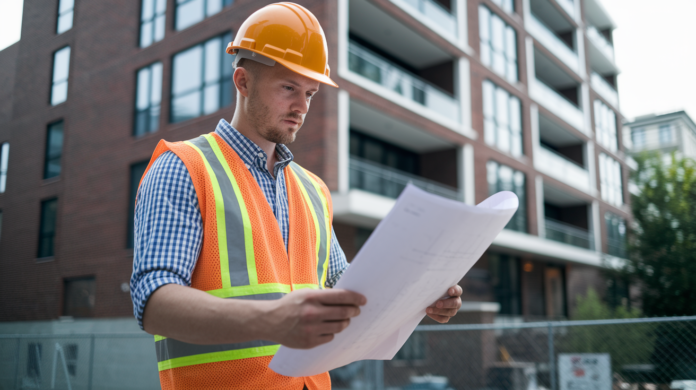
What if you fixed the kitchen before the roof?
You’d have great photos and a refused refinance.
Start with safety and structure: mold, leaks, exposed wiring, foundation.
Next, upgrade systems and high-ROI rooms that raise rent and appraisal.
Finish with cosmetics like paint and flooring.
This sequence protects your refinance, shortens inspection fights, and actually grows value.
Thesis: prioritize deal-killers first, then the rent-driving upgrades, then the pretty stuff so your money works and your refinance closes.
Core Framework for BRRRR Repair Prioritization

The order’s straightforward. Safety and structure first, then value, then cosmetic. You’re tackling mold, termites, foundation cracks, active leaks, exposed electrical, failing HVAC, and roof damage before touching a single cabinet. These risks kill refinance appraisals, spook inspectors, and hurt tenants. Value-add comes next. Kitchens, bathrooms, square footage additions, exterior curb appeal items like a new garage door (can return over 93 percent of what you spend). These moves raise rent and lift your After Repair Value. Cosmetic updates finish the list. Paint, drywall patching, fresh flooring. They make the property rent-ready and help showings go smoothly, but they won’t rescue a bad appraisal if your roof’s leaking or your electrical panel’s melted.
Think about ROI in rental terms. A $200 monthly rent bump that costs $8,000 to create generates $2,400 a year. That’s a 30 percent simple return. Strong, especially when the same repair also boosts your appraisal. The appraisal rule of thumb: value equals net operating income divided by cap rate. So if that $200 monthly increase adds $2,400 to your annual NOI and your market cap rate is 6 percent, the property value climbs roughly $40,000 ($2,400 divided by 0.06). That math explains why you prioritize kitchen and bath upgrades over luxury tile.
Practical triage looks like this:
- Inspect immediately for deal-killing issues. Mold, foundation movement, active water intrusion, electrical hazards, HVAC failure, termite damage.
- Remediate all safety and structural problems first, even if they don’t show in photos or improve curb appeal.
- Upgrade major systems next. Plumbing, electrical panel capacity, HVAC replacement, roof repairs. You’re passing refinance appraisal and code inspections.
- Execute high-ROI value-add projects that raise rent and comps: kitchens, bathrooms, added square footage, exterior improvements like garage doors.
- Add rental-ready cosmetics last. Neutral paint, drywall patches, functional locks and windows, clean landscaping. This attracts quality tenants and supports listing photos.
- Reserve 10 to 20 percent of your budget as a contingency for surprises. Combine overlapping tasks whenever possible to save mobilization costs and calendar time.
Understanding this hierarchy keeps you from spending rehab dollars on granite counters while the furnace coughs smoke or the bathroom subfloor’s rotting from an undetected leak.
Safety-First Repairs for BRRRR Projects
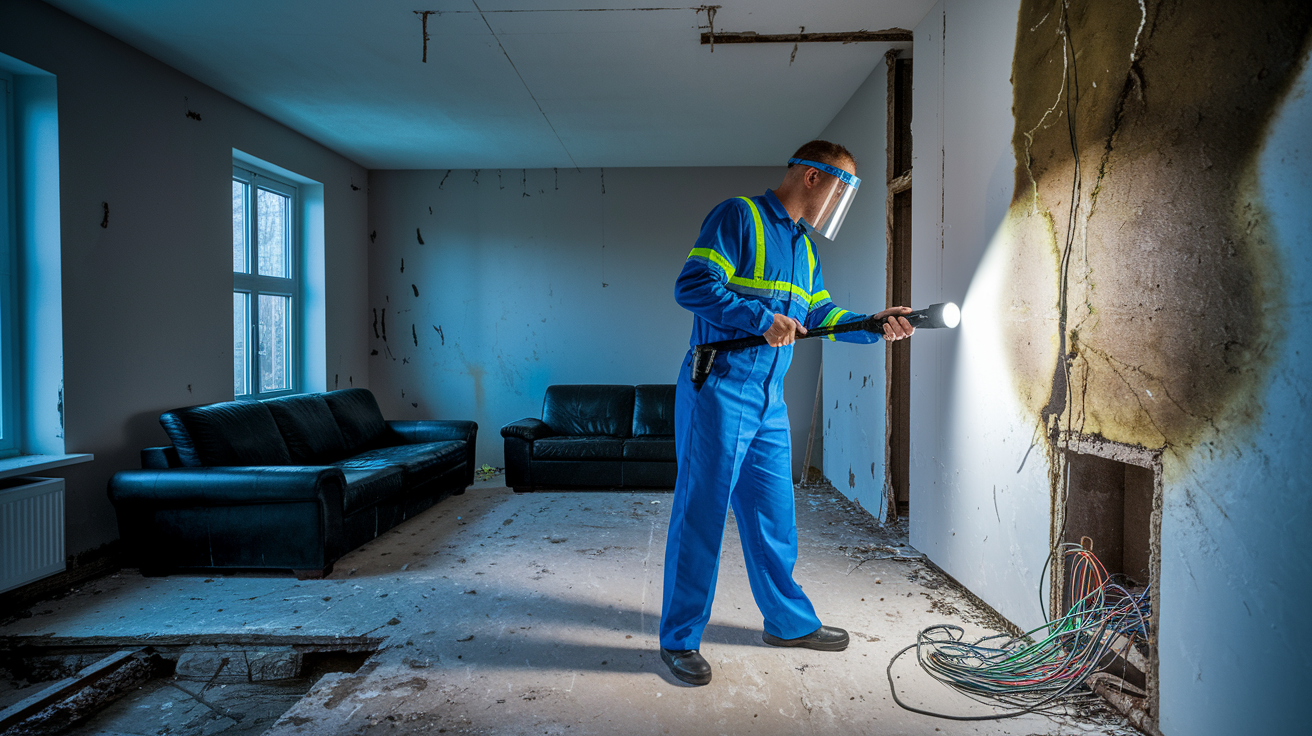
These are the items that keep people safe, meet code, and prevent appraisal knockdowns or refinance rejection. An inspector who finds active mold, exposed wiring, or a furnace that won’t ignite will flag the property as uninhabitable. Lenders rarely finance uninhabitable homes. Address these before you demo the kitchen or pick paint swatches, because cosmetic work on top of a safety hazard wastes time and money when you have to tear it out to fix the underlying issue.
Early inspection saves months of rework. Hire a licensed inspector, walk the property with them, and mark every red flag. Then schedule licensed electricians for wiring issues, licensed plumbers for sewer line failures, and certified remediators for mold or asbestos. HVAC replacement or major repairs can take one to three weeks once parts arrive, so order early. Roof repairs block water intrusion, which protects every dollar you invest indoors. Patching drywall over an active roof leak is burning cash.
Red-flag issues requiring immediate remediation:
Active water leaks from plumbing, roof penetrations, or foundation cracks that promote mold and structural rot. Mold colonies larger than ten square feet or any mold involving HVAC ducts, which spread spores throughout the home. Termite damage affecting load-bearing members, sills, or joists. Exposed or frayed electrical wiring, missing wire nuts, aluminum wiring without proper connectors, or panels showing scorch marks. HVAC systems that fail to heat or cool, have cracked heat exchangers, or lack proper venting, creating carbon monoxide risk.
Structural and System Repairs that Unlock BRRRR Progress
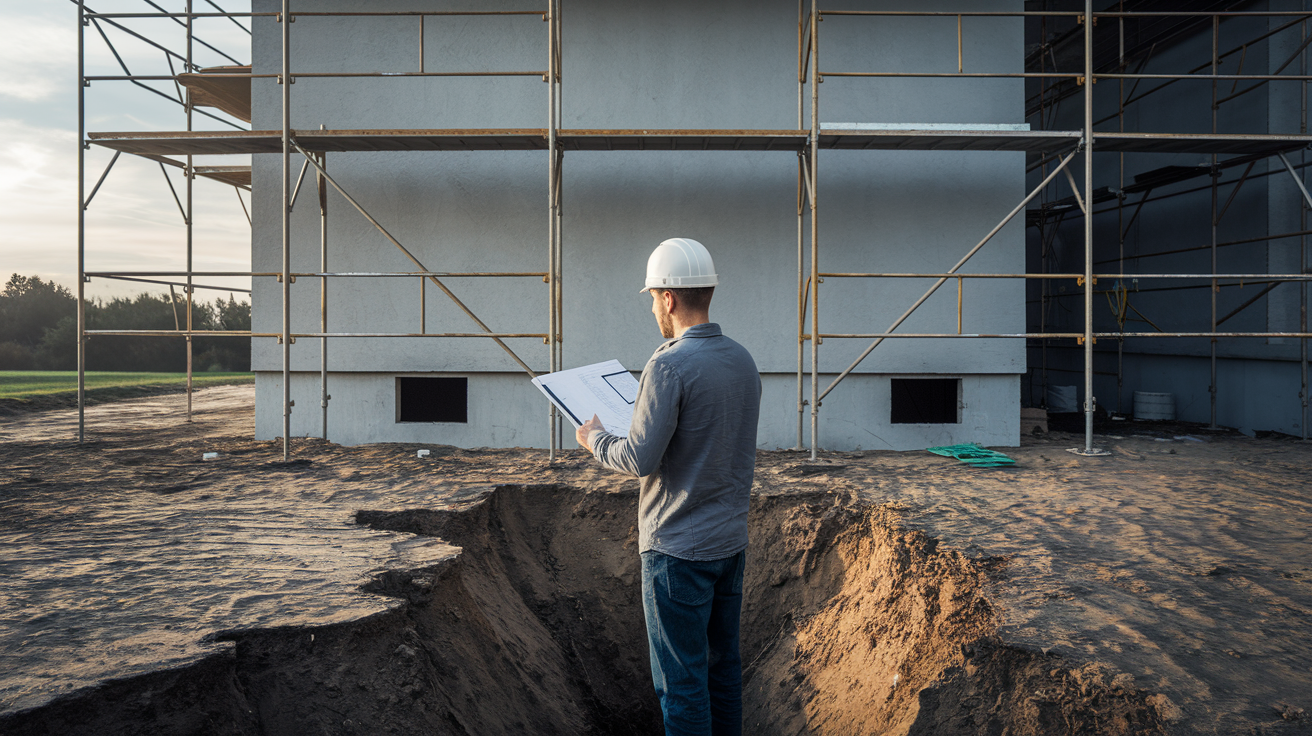
Foundation problems, collapsing garages, failing sewer laterals, and poor site drainage form a second tier of must-fix items. These don’t always injure someone tomorrow, but they prevent habitability, block refinance approval, and turn into five-figure emergencies if ignored. Lenders and appraisers treat foundation movement, major structural sag, and sewer line failure as non-negotiable repair conditions. Your refinance won’t fund until they’re resolved.
Moisture routing matters as much as the structure itself. If your grading slopes toward the foundation or your sump pump doesn’t work, you’ll remediate mold three times and still see it return after the next heavy rain. Fixing drainage and installing or repairing sump systems costs a few thousand dollars and prevents tens of thousands in recurring water damage. Similarly, a failing sewer lateral can back up into the basement, destroy finishes, and create a biohazard. Replace it early, get the permit, and schedule the city inspection so you’re not racing the clock when you’re trying to refinance.
Structural repairs often require engineering stamps, permits, and licensed contractors. Garage collapse risks from rot or undersized headers, sagging floor joists from termite damage, and foundation cracks wider than a quarter inch all fall into this category. Budget high, because structural work uncovers hidden issues once walls open. These projects typically take one to four weeks depending on scope and permitting speed, so start them immediately after safety remediations to avoid delaying your refinance timeline.
High-ROI Value-Add Repairs that Boost Appraisal and Rent
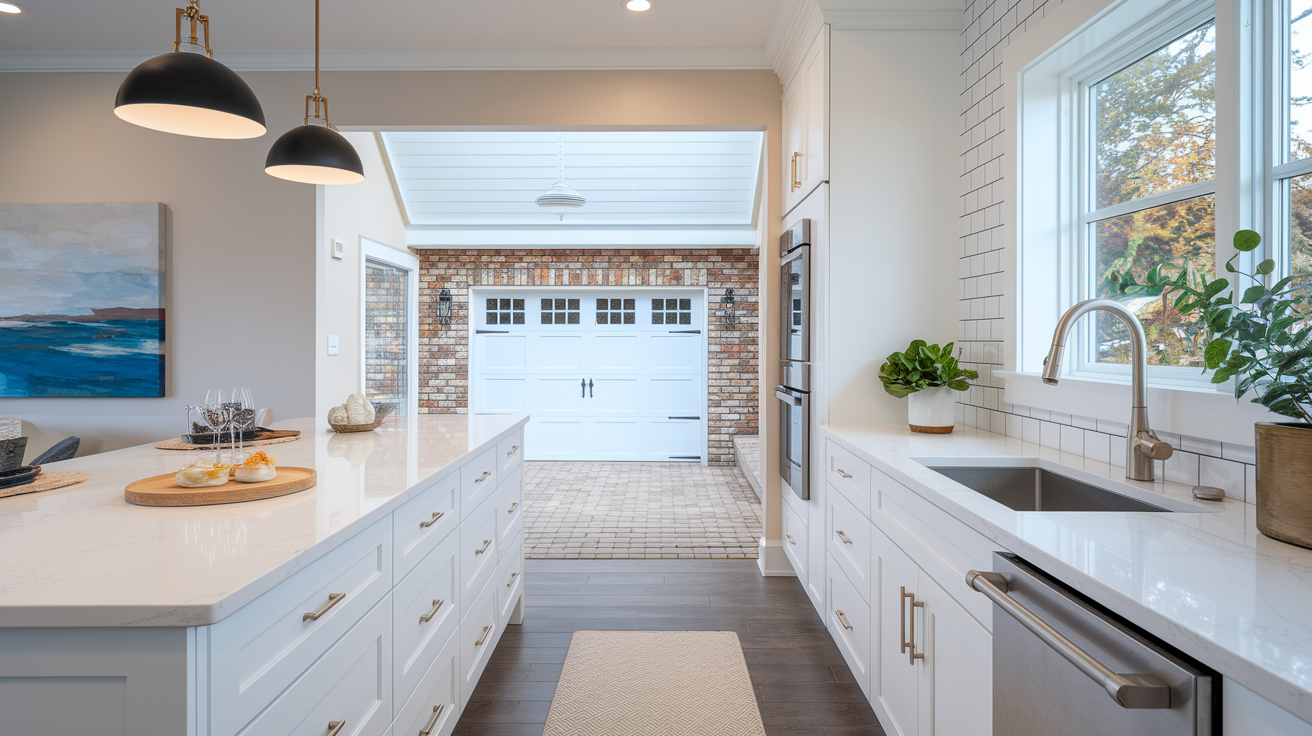
Kitchens and bathrooms drive rent and appraisal gains more reliably than any other interior work. A functional, updated kitchen with working appliances, solid countertops, and clean cabinetry can lift monthly rent by $100 to $300 depending on the market. A primary bathroom remodel does the same. New vanity, tub surround, tile, and fixtures. These rooms anchor tenant decisions and appraiser comparable adjustments, so allocate 25 to 35 percent of your rehab budget here once safety and systems are secure.
Exterior curb appeal upgrades deliver surprising returns for low cost. Replacing a worn or damaged garage door consistently returns more than 93 percent of the investment because it’s visible in every listing photo and improves the appraiser’s first impression. New garage doors, fresh exterior paint, cleaned gutters, simple landscaping, and a power-washed driveway all enhance the comparable sales the appraiser selects. Timing these improvements right before the appraisal maximizes their impact.
| Upgrade | Typical ROI Driver | Risk of Over-Improving |
|---|---|---|
| Kitchen remodel (mid-grade appliances, quartz counters, painted cabinets) | Rent bump of $100–$250/month; strong comp support in appraisal | High-end custom cabinets or luxury appliances in a modest neighborhood rarely return full cost |
| Bathroom updates (tile, vanity, fixtures, tub/shower) | Rent increase of $50–$150/month; appraisers adjust for bath count and condition | Spa-grade finishes exceed renter expectations and comparable sales in most markets |
| Garage door replacement | Curb appeal lift; appraiser sees maintained exterior; ROI often >93% | Minimal. Choose durable mid-tier door rather than custom wood to control cost |
Match your finish level to neighborhood comps. Walk three recently sold properties within a half mile that rent for your target rate, note their finishes, and aim for the same quality tier. Going one step above can justify a small rent premium, but two steps above just locks up capital without proportional return. If comparable rentals have laminate counters and vinyl plank, installing marble and hardwood won’t double your rent. It’ll just extend your breakeven timeline.
Budgeting and Cost Allocation for BRRRR Repair Prioritization

A realistic BRRRR budget splits roughly 50 percent toward safety, structure, and major systems until those are secure, then 25 to 35 percent on kitchens and bathrooms, and the final 10 to 20 percent on cosmetic touches and rental-ready details. This sequencing ensures you don’t run out of money halfway through and get stuck with a beautiful kitchen in a house that won’t pass the lender’s appraisal because the roof’s shot.
Set a contingency reserve of 10 to 20 percent of your total rehab budget for surprises. Opening walls reveals knob-and-tube wiring, hidden mold, or rotten framing that wasn’t visible during the initial walkthrough. If your base rehab budget is $40,000, hold $4,000 to $8,000 in reserve and don’t allocate it to planned work until you’re certain no emergency repairs will surface. Treat this fund as insurance against timeline delays and scope creep. It’s cheaper to have the reserve and not need it than to halt work because you can’t afford an unexpected sewer line replacement.
Add per-item cost estimates to every line of your scope document. Instead of writing “fix kitchen,” break it into range replacement ($800), quartz countertop install ($2,500), cabinet paint and hardware ($1,200), faucet and sink ($400), backsplash tile ($600), and labor ($2,000). Granular estimates let you cut lower-priority items if budget tightens and prevent contractors from padding allowances. Track actual costs against estimates weekly to catch overruns early.
Four budgeting mistakes to avoid:
Spending heavily on finishes before completing structural and systems work, then running out of money when the HVAC fails inspection. Skipping the contingency fund and assuming nothing will go wrong, which forces expensive pauses or credit card financing mid-project. Choosing upgrades based on personal taste instead of neighborhood rent comps, over-improving beyond what the local market will pay. Failing to get multiple bids for large-ticket items like roofing, HVAC, or foundation work, which can vary by 30 percent or more between contractors.
Sequencing Repairs to Stay on BRRRR Refinance Timelines

Most BRRRR rehabs target six to twelve weeks from purchase to refinance-ready. Longer timelines increase carry costs. Mortgage payments, insurance, utilities, and lost rent. So efficient sequencing directly protects your return. The work must follow a strict order to avoid rework: moisture and pest issues first, then major systems, then structural changes, then layout or square footage modifications, then kitchens and bathrooms, then exterior items, and finally cosmetics.
Starting with remediation and systems means your new drywall and paint won’t get destroyed when the plumber opens walls to replace cast iron drain lines or the electrician pulls new circuits. Permit and inspection delays are common for structural, electrical, plumbing, and HVAC work, so submit applications and schedule licensed trades during the first week of ownership. Many municipalities take two to four weeks to issue permits, and that clock starts when you file, not when you’re ready to work.
Ten-step sequencing checklist for efficient BRRRR rehabs:
- Full inspection and scope documentation within 48 hours of closing to identify all safety, structural, and code issues.
- Permit applications filed immediately for foundation, structural, electrical panel, HVAC replacement, plumbing re-route, and any layout changes.
- Mold remediation, pest treatment, and moisture intrusion fixes completed first to protect all downstream work.
- Foundation, structural, and roof repairs executed next, because these affect habitability and safety.
- HVAC, electrical panel, main plumbing stack, and sewer line upgrades or replacements, scheduled with licensed contractors in coordinated blocks.
- Framing changes, room additions, or square footage modifications if part of the scope, completed before closing walls.
- Kitchens and bathrooms, using durable rental-grade finishes that match neighborhood comps and support target rent.
- Flooring, interior doors, windows, and insulation, completed before paint to avoid re-cleaning.
- Paint, fixtures, appliances, cabinet hardware, locks, smoke and CO detectors installed as the property nears rent-ready status.
- Exterior curb appeal work (garage door, siding touch-up, gutter cleaning, landscaping, power washing) timed within two weeks of appraisal for maximum comp impact.
Bundling overlapping tasks reduces costs and calendar time. If you’re gutting a bathroom to remediate mold, add the planned tile upgrade, new vanity, and accessibility grab bars in the same mobilization instead of calling the contractor back later. The demo’s already done, the walls are open, and you’re saving a second trip charge and another round of drywall patching.
Rental-Ready Repairs that Improve Tenant Appeal and Curb Appeal

Once safety and systems are solid and your high-ROI upgrades are complete, the final layer is making the property clean, functional, and appealing to quality tenants. These cosmetic and small-functional repairs don’t add major appraisal value, but they smooth showings, reduce tenant objections, and help you achieve your target rent without negotiation. Skimp here and you’ll either accept lower rent or experience longer vacancy while the property sits.
Neutral paint in light colors makes every room feel larger and allows tenants to imagine their furniture without distraction. Patch drywall holes with spackle for nail pops and small dings, joint compound for anything fist-sized or larger. Ensure every door, window, lock, and cabinet operates smoothly. Sticking doors and broken locks create immediate distrust during showings. Exterior work is equally important. Clean landscaping, mowed lawn, trimmed shrubs, weeded flower beds, and a power-washed driveway signal maintenance and care. A fresh mulch spread costs $200 and makes listing photos look significantly better.
Six cosmetic rent-ready enhancements that strengthen tenant appeal:
Fresh neutral paint throughout all living areas, hallways, and bedrooms, using eggshell or satin finish for durability and easy cleaning. Drywall patching and texture-matching to eliminate visible damage from previous tenants or trade work. Functional hardware and locks on all doors and windows, including new deadbolts, doorknobs without play, and working window latches. Clean, operational garage door with smooth opener, tested for safety sensor function and balanced spring tension. Gutter cleaning, downspout extensions, and yard cleanup, including removal of debris, dead plants, and junk left by previous owners. New or cleaned light fixtures, ceiling fans, and switch plates, ensuring all bulbs work and no covers are cracked or discolored.
Time these items to finish within a week of listing or appraisal. Fresh mulch and a mowed lawn photograph well but fade quickly, so don’t install them a month early. The goal is a move-in ready presentation that justifies your asking rent and supports the appraiser’s opinion of condition and marketability.
Documentation, Scope Writing, and Contractor Coordination for BRRRR Rehab Success

A written scope of work is your primary defense against budget overruns, timeline delays, and contractor disputes. Break every task into specific line items with unit costs and expected completion dates. Instead of “remodel bathroom,” write “demo existing tub, tile, vanity, and toilet; install new acrylic tub-shower unit, porcelain tile floor (120 SF), 36-inch vanity with quartz top, chrome Moen fixtures, dual-flush toilet; patch and paint walls; estimated cost $6,200; duration 5 days.” Specificity prevents the contractor from interpreting the scope loosely or claiming changes were extras.
Vet contractors carefully and prioritize reliability over the lowest bid. Ask for references from recent BRRRR or rental rehab projects, verify licensing and insurance, and check online reviews. A contractor who finishes on time and communicates proactively is worth paying 10 percent more than one who ghosts you for a week when problems arise. Schedule weekly progress check-ins and request photos of completed work stages (framing, rough plumbing and electrical, drywall, finish work) so you can verify quality before the next phase starts and spot issues early.
Combine overlapping tasks whenever possible to reduce mobilization costs and calendar days. If you’re opening walls to replace old plumbing, add the electrical panel upgrade and any insulation improvements during the same phase. The walls are already open, the dust containment is in place, and you’re saving the cost of a second drywall and paint cycle. Communicate this bundling strategy to your general contractor or trade leads up front so they can coordinate schedules and avoid sequencing conflicts. Clear documentation and proactive coordination are the difference between a smooth eight-week rehab and a four-month disaster that eats your refinance returns.
Final Words
in the action we walked through a clear prioritization: safety and code fixes first, structural and systems next, then value-adds and cosmetics last. You got a 6-step triage, budgeting split, and timeline order to avoid rework.
Keep permits and contractor scopes tight, hold a 10–20% contingency, and use the NOI-to-cap math ($2,400 ÷ 6% = $40,000) to pressure-test bigger choices.
If you’re still asking how to prioritize repairs for BRRRR rehabs, start with safety, then structure, then ROI-driven upgrades, and keep good docs so the refinance and rent lift happen and you capture the upside.
FAQ
Q: What is the 3 3 3 rule in real estate?
A: The 3 3 3 rule in real estate is a simple triage idea: prioritize three immediate safety fixes, then three structural/system items, then three cosmetic/value-add tasks — a quick way to order rehab work.
Q: What is the 70% rule in flipping houses?
A: The 70% rule in flipping houses means you should pay no more than 70% of the after-repair value (ARV) minus estimated rehab costs to leave room for profit and contingency.
Q: What house repairs should be done first?
A: House repairs should start with safety and code issues: active leaks, roof, mold, exposed wiring, termites, foundation and HVAC failures, since these block refinancing and cause rework if delayed.
Q: How to estimate repair costs on a rehab?
A: To estimate repair costs on a rehab, write a clear scope, price line items (labor and materials), get multiple contractor bids, add a 10–20% contingency, and cross-check against local cost-per-square-foot benchmarks.